
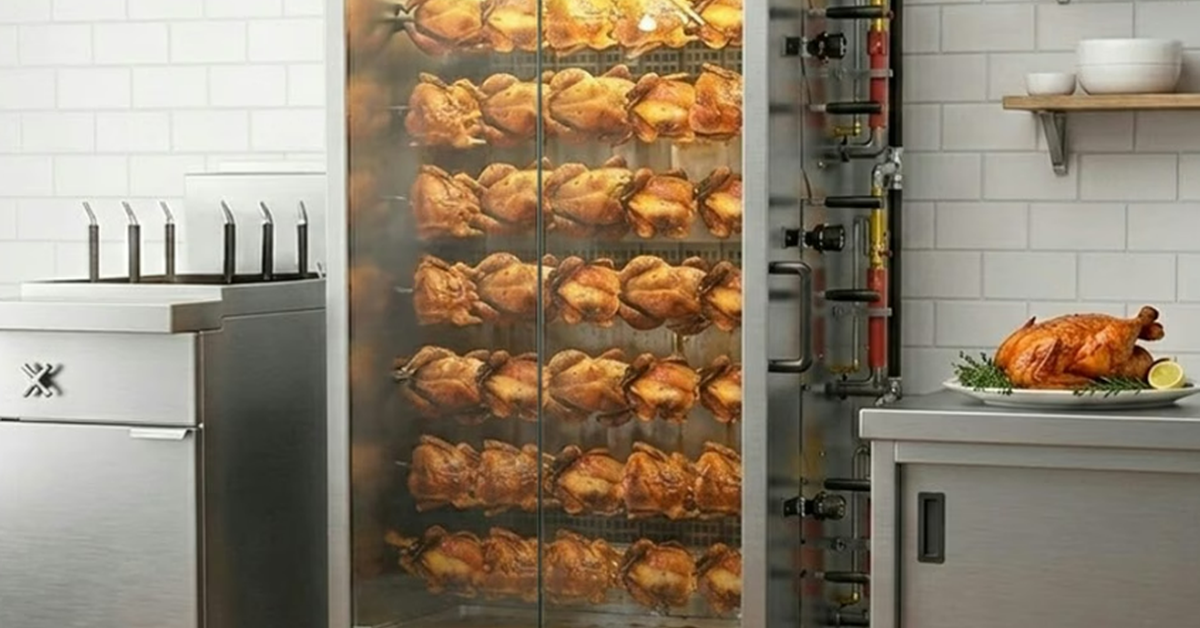
A grocery store can sell far more than ingredients for meals at home. A well-run prepared food department gives customers a fast dinner option and creates another source of sales from shoppers already inside the store. Expand your sales opportunities by learning how rotisserie ovens boost grocery store revenue. The information below will help you find easy ways to make big changes that leave an immediate impact.
Turn a Grocery Trip Into a Meal Purchase
Many customers enter a supermarket with a short list and no firm dinner plan. A hot rotisserie chicken gives them an immediate solution without a restaurant stop on the way home. That convenience can turn a trip for milk, bread, or produce into a much larger purchase.
The value extends beyond the chicken itself. Once a shopper chooses the main dish, sides become a natural next step. Prepared potatoes, salads, vegetables, bread, sauces, and desserts can all become part of the same meal. That creates an opportunity for grocery stores to earn revenue across several departments from one decision. A customer may arrive for a few household staples and leave with an entire dinner.
Let Aroma Work Across the Store
Rotisserie ovens have an advantage that packaged grocery products can’t duplicate. The food produces an aroma that customers can notice before they reach the prepared food counter. That sensory cue can draw attention toward the department without another sign or display. A shopper who had no plans to buy prepared food may reconsider once a fresh batch comes out of the oven.
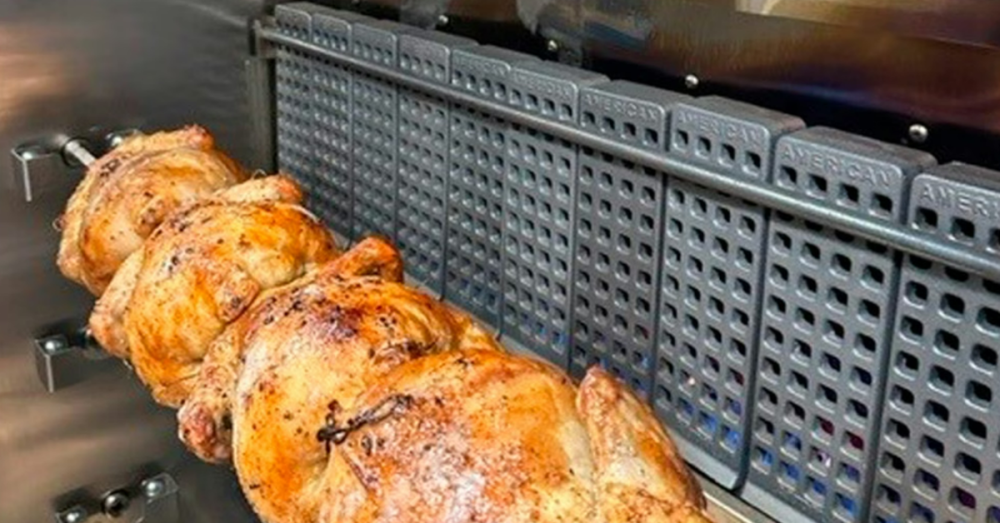
Placement has a large role here. An oven visible from a busy aisle can put the product in front of more shoppers and add a sense of activity to the department. Glass-front models also let customers see rows of chickens rotate as they cook, so the oven itself becomes part of the presentation.
Create a Stronger Grab-and-Go Department
Another major way rotisserie ovens boost grocery store revenue is by establishing a smooth grab-and-go setup. Prepared foods compete with restaurants, takeout counters, and delivery apps for the same customer dollars. Grocery stores already have one major advantage, which is that the shopper is inside the building.
A rotisserie program can capitalize on that convenience. Customers can pick up dinner at the same place they buy beverages, snacks, breakfast items, and household supplies. Stores can also place complementary products close to the hot food area. A refrigerated case with cold sides, a nearby bread display, or a small sauce selection gives customers an easy path toward a complete meal. The department feels less like a collection of individual products and more like a practical dinner destination.
Raise the Value of Each Shopping Basket
Considering the value of each basket is critical to any foodservice operation. One of the strongest revenue benefits comes from the purchases that surround the rotisserie chicken. The bird can act as the center of a meal, but customers still need the rest of the plate.
Stores can organize displays around that behavior. Mashed potatoes, macaroni and cheese, roasted vegetables, dinner rolls, and beverages all pair naturally with rotisserie chicken. Family-size portions can appeal to households that want dinner ready with minimal prep at home.
Meal bundles can take the concept further. A store could pair one chicken with two sides and bread under one offer. That format gives customers a clear meal solution and gives the retailer another way to promote several prepared products at once.
Match Oven Capacity to Store Demand
A rotisserie program works best when oven capacity fits actual sales volume. An undersized unit may leave the display short during the dinner rush, but an oversized model can occupy valuable floor space and add capacity the store doesn’t need. Managers should consider how many birds they expect to sell during peak periods, batch size, available kitchen space, and access to utilities. Door configuration and display style also deserve attention because staff need a practical workflow from raw product prep through final sale.
The right oven should fit the pace of the department. A smaller neighborhood market has different demands from a high-volume supermarket with a large prepared food counter. Equipment selection should reflect those differences rather than rely on capacity alone.
Use Peak Hours to Your Advantage
Rotisserie sales don’t stay constant from open to close. Demand can rise near lunch, after work, and around the traditional dinner period, depending on the store and its customers. A production schedule can help staff have fresh product ready near those busier periods. Instead of filling the case heavily at one point in the day, teams can plan batches around actual store sales patterns.
That approach also helps preserve the appeal of the display. Customers who see fresh, hot food near dinner time have a more compelling reason to add it to the cart. Sales records can help managers refine batch quantities as the program develops.
Give Valuable Floor Space Another Job
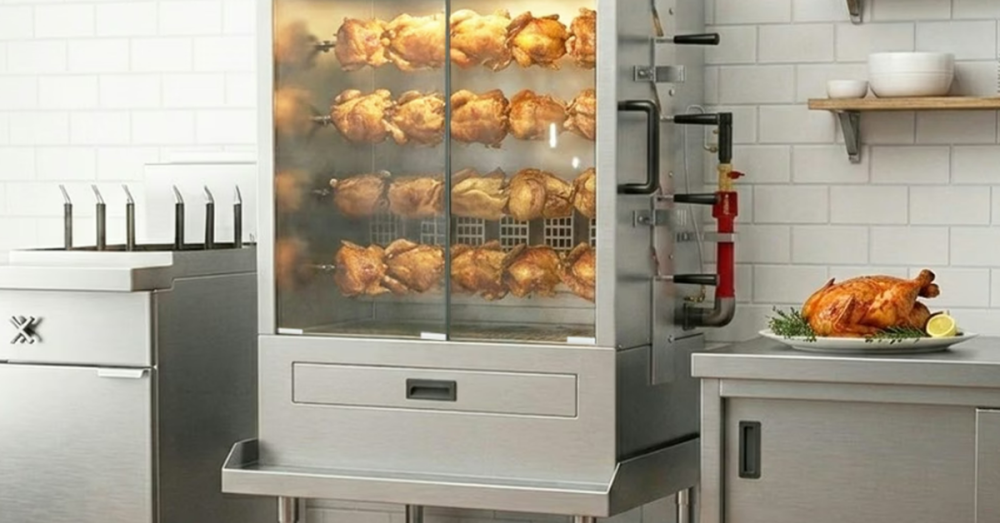
Every section of a grocery store has to contribute to the business. A rotisserie oven can support both food production and merchandising, especially when customers can see the product through the glass. That dual purpose can be useful in stores where prepared food space is limited. Rather than hide all production behind the counter, a visible oven adds motion and fresh-food appeal to the sales area.
The surrounding layout can build on that attraction. Place complementary foods within a natural path from oven to checkout, and customers can assemble dinner without a trip across the entire store. Convenience becomes part of the merchandising plan.
Success still depends on smart execution. Stores need suitable oven capacity, a practical production schedule, attractive presentation, and menu choices that fit their customers. When those pieces work together, the rotisserie counter can become a productive part of the grocery operation. For grocery stores that want to expand or update their hot food department, the oven itself is a logical place to start. Explore Kitchenall’s commercial cooking equipment and compare rotisserie cookers based on capacity, dimensions, configuration, and the demands of your store before you choose a model.