
A commercial refrigerator does far more than keep food cold. It affects kitchen speed, staff workflow, storage capacity, and even utility costs over time. If you're ready for new refrigeration equipment, take a close look at your daily routine before you place an order. Use our guide below to compare walk-in and reach-in refrigerators to identify what you really need to know before your purchase.
Every Kitchen Has Different Storage Demands
A neighborhood café has very different refrigeration needs than a busy steakhouse or hotel kitchen. Daily food volume, delivery schedules, menu size, and available floor space all play a part in the final choice. Some operators assume a walk-in cooler always ranks as the better option. Others buy reach-in refrigerators because they cost less at first.
Both ideas leave out a lot of detail. The best purchase supports your kitchen today and still works well a few years from now. Think about your busiest day instead of your average day. Holiday weekends, catered events, and seasonal rushes reveal far more about storage needs than a slow Tuesday afternoon.
Reach-In Refrigerators Fit Fast-Paced Kitchens
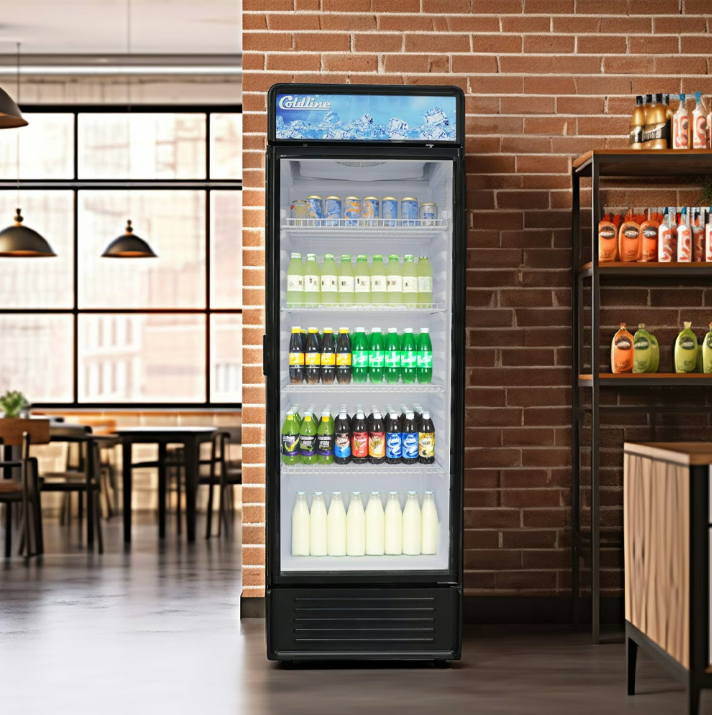
Reach-in refrigerators remain a popular choice because they fit into almost any commercial kitchen. They require very little floor space, arrive ready for installation in most cases, and place products within easy reach during service.
Many restaurants use one or more reach-ins near prep stations, cook lines, or beverage areas. Staff grab ingredients without long walks across the kitchen, and that saves valuable time during busy shifts.
A reach-in refrigerator also works well for businesses such as:
- Coffee shops
- Delis
- Bakeries
- Food trucks
- Small restaurants
- Bars
Several door styles and sizes give owners plenty of flexibility. One-door units fit compact kitchens, while two-door and three-door cabinets hold much larger inventories.
Walk-In Refrigerators Handle High Volume
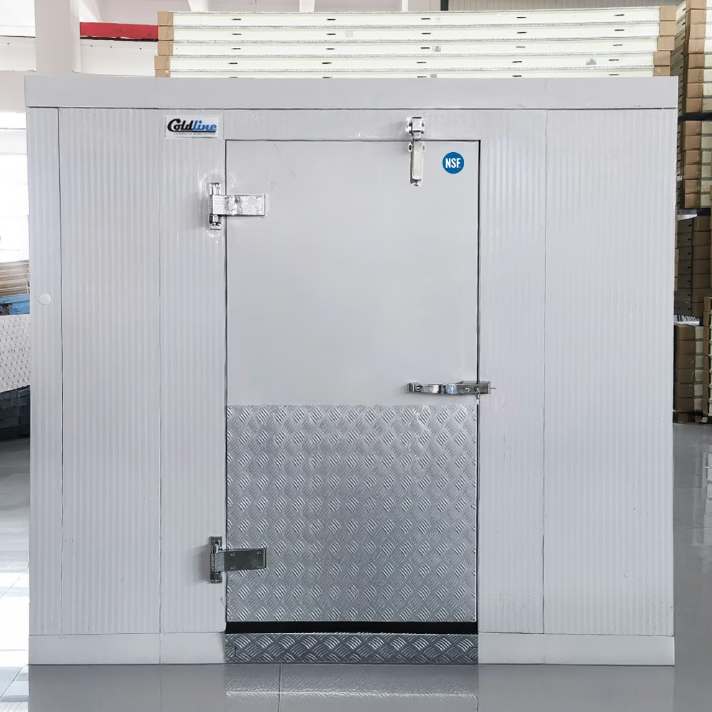
Walk-in refrigerators serve kitchens that move large amounts of food every day. Restaurants with bulk deliveries need space for full ingredient cases, large containers, and rolling racks. A walk-in cooler gives staff room to organize inventory instead of stacking products anywhere they fit.
That extra space also supports better inventory rotation. Shelves stay organized, labels remain visible, and older products stay near the front. Staff spend less time hunting for ingredients during prep. Large restaurants, commissary kitchens, schools, hospitals, hotels, and catering companies all benefit from walk-in refrigeration because storage demands stay high throughout the week.
Space Can Matter More Than Capacity
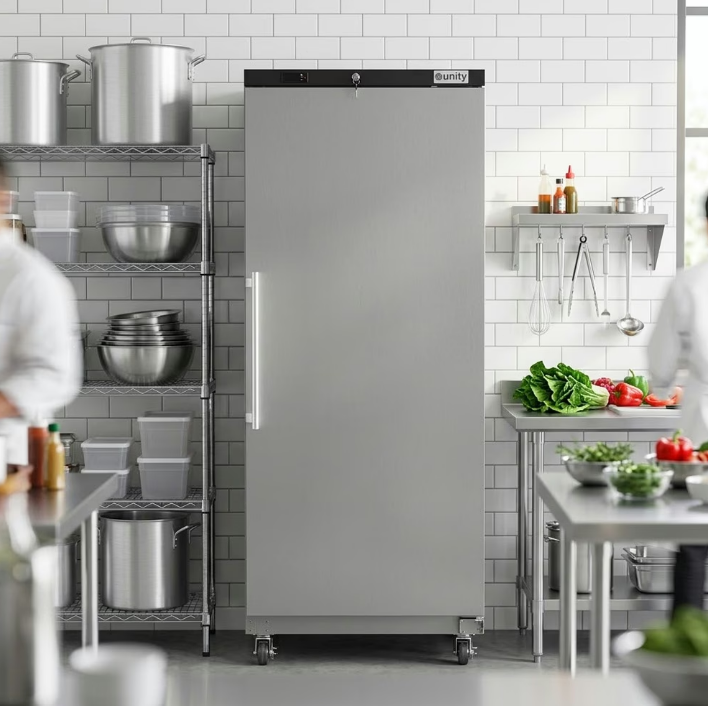
Many buyers focus on cubic feet and overlook kitchen layout. Storage capacity means very little if staff struggle to move around the kitchen. Reach-in refrigerators sit close to prep areas and cooking stations. Employees grab ingredients within seconds and return to work without extra trips across the room.
Walk-ins require more travel, but they reduce clutter around prep tables because bulk inventory stays in one location. Many restaurants solve this challenge with both systems. Staff stock smaller reach-ins from the walk-in throughout the day. That combination creates an efficient workflow without crowding work areas.
Budget Goes Beyond the Purchase Price
Price deserves attention, but the purchase cost tells only part of the story. Reach-in refrigerators usually cost less upfront. Installation stays straightforward for many models, and operators avoid major construction expenses.
Walk-in refrigerators require a larger investment. Beyond the cooler itself, owners may pay for refrigeration systems, electrical work, permits, or professional installation. Those expenses add up quickly.
Long-term value deserves equal attention. One walk-in cooler may replace several reach-in refrigerators, reduce equipment clutter, and create better organization across the kitchen. Every operation reaches a different balance between upfront cost and future value.
Energy Use Depends on Daily Habits
Knowing what you really need is critical when browsing walk-in and reach-in refrigerators. Some buyers expect one style to consume less electricity than the other. Real-world performance depends on several factors.
Door openings affect energy use every day. A reach-in refrigerator near the cook line may open hundreds of times during lunch and dinner service. A walk-in cooler also loses cold air when staff enter frequently or leave doors open.
Good habits help both styles perform better. Door gaskets need regular inspection, condenser coils deserve routine cleaning, and proper temperature settings support reliable operation throughout the year. New Energy Star models also reduce operating costs compared with older equipment in many kitchens.
Menu Size Can Change Your Decision
A limited menu usually requires less refrigerated storage than a menu with dozens of fresh ingredients. For example, a sandwich shop stores meats, cheeses, vegetables, sauces, and beverages, but inventory stays fairly manageable. One or two reach-in refrigerators may cover daily needs without trouble.
A full-service restaurant tells a different story. Seafood, steaks, poultry, desserts, dairy products, produce, sauces, and specialty ingredients consume space very quickly. Bulk purchasing also calls for extra storage between deliveries. Future menu expansion deserves attention as well. A refrigerator that fits today's operation may become too small after business grows.
Maintenance Looks Different for Each Option
Commercial refrigeration works hard every day. Routine maintenance protects food quality and extends equipment life. Reach-in refrigerators usually allow quick access for coil cleaning, gasket replacement, and general inspection. Many service calls take very little time because every component sits within easy reach.
Walk-in systems contain more parts. Compressors, evaporators, larger refrigeration systems, and insulated panels may require additional service over time. That does not mean more problems. It only means maintenance follows a different schedule. No matter your choice, regular service costs far less than emergency repairs after a breakdown.
Many Restaurants Use Both
This comparison does not have to end with one winner. Many successful restaurants rely on both walk-in and reach-in refrigerators every day. The walk-in stores bulk inventory, while reach-ins support prep stations and service areas. Staff refill smaller units as needed throughout each shift.
That setup reduces traffic inside the walk-in cooler and keeps ingredients close to employees during busy hours. Kitchens gain extra organization without sacrificing convenience. For growing restaurants, this approach delivers flexibility without constant equipment upgrades.
Find What You Really Need
The right refrigerator depends on your kitchen, your menu, your storage volume, and your long-term plans. A reach-in refrigerator serves many small and mid-sized operations with speed and convenience. A walk-in cooler gives larger kitchens room for bulk inventory and stronger organization. Plus, as mentioned above, plenty of restaurants benefit from both because each unit fills a different role.
If you're ready for commercial refrigeration that fits your operation, Kitchenall carries commercial refrigerators that include reach-in refrigerators, walk-in coolers, and other refrigeration equipment. Compare your options carefully, invest with confidence, and build a kitchen ready for today's workload and tomorrow's growth.