
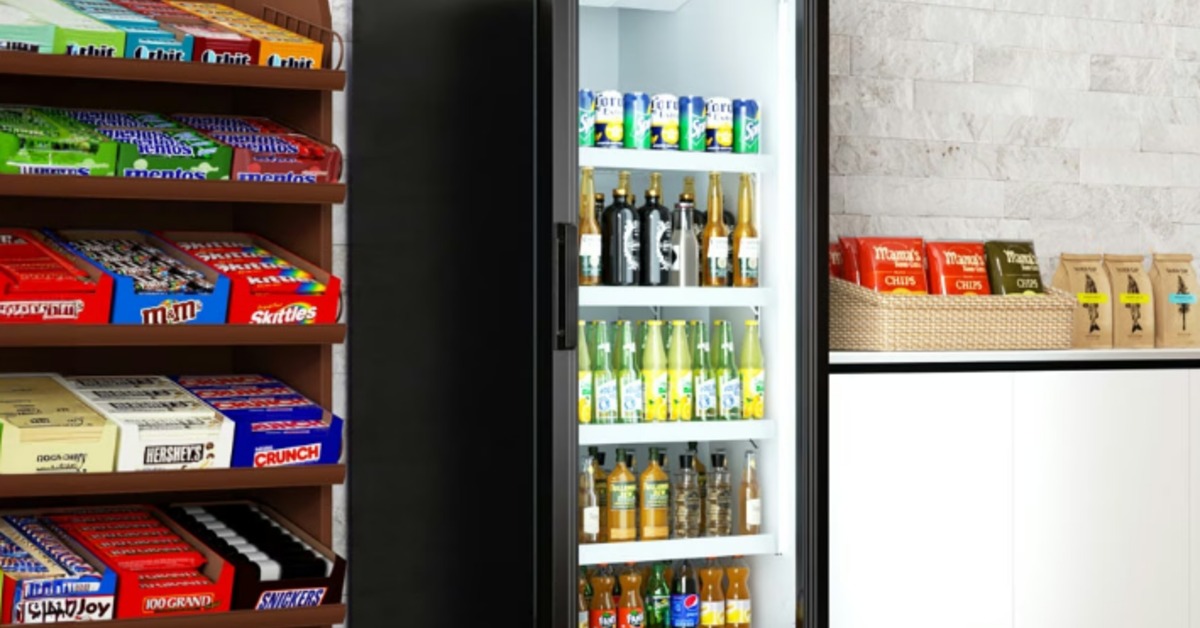
Starting a convenience store takes more than a good location and shelves full of snacks. The equipment you choose has a direct effect on daily operations, food quality, customer satisfaction, and long-term costs. Smart purchases from the start help your store stay organized and create new ways to increase revenue. If you want to start strong, use our guide to learn the convenience store equipment essentials you need right now.
Refrigeration Comes First
Refrigeration usually represents one of the largest investments in a convenience store. Drinks, dairy products, sandwiches, frozen meals, and grab-and-go foods all depend on consistent temperatures. A dependable refrigeration system protects inventory and keeps products fresh throughout the day.
Buy glass door refrigerators for beverages because customers can view products before they open the door. Reach-in refrigerators fit behind the counter or inside prep areas for staff use. Chest freezers and upright display freezers provide plenty of room for frozen treats, ice cream, and packaged meals. Every store has different needs, so the right combination depends on your product selection. Energy-efficient refrigeration can also lower utility costs over time. That benefit adds up month after month, especially for stores that operate around the clock.
Display Cases Help Drive Sales
Presentation has a direct impact on impulse purchases. Customers tend to buy more when products look fresh, organized, and easy to reach. Refrigerated display cases work well for sandwiches, salads, desserts, and bottled beverages.
Heated display merchandisers attract customers with pizza slices, breakfast sandwiches, hot dogs, or pastries. Bakery display cases create an inviting appearance for donuts, cookies, and muffins. A clean, attractive display encourages customers to add one more item before they head to the register. Those small purchases can produce steady revenue throughout the year.
Foodservice Equipment Expands Your Menu
Many convenience stores generate strong profits from prepared food. A limited menu can attract commuters, students, and busy workers who need a quick meal without a long wait. Depending on your concept, useful equipment may include:
- Commercial microwaves
- Conveyor or countertop ovens
- Roller grills
- Hot dog steamers
- Panini grills
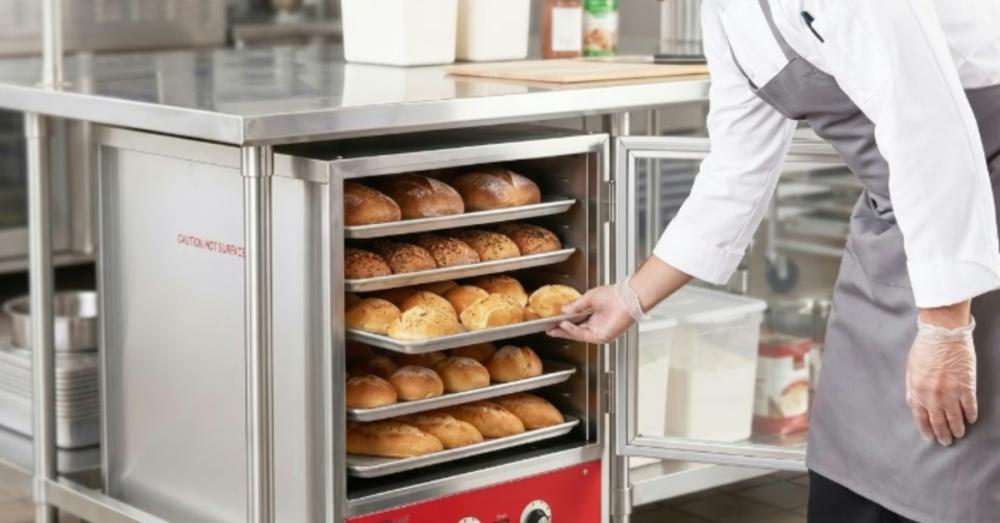
- Heated holding cabinets
A store that serves breakfast sandwiches, pizza, chicken tenders, or fresh coffee creates another reason for customers to stop by instead of visiting a competitor.
Commercial Coffee Equipment Pays Off
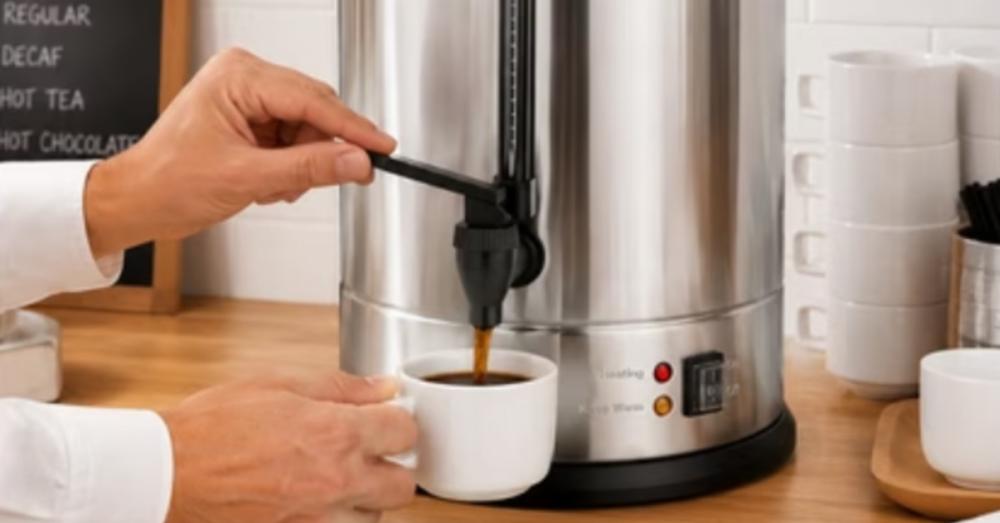
Coffee remains one of the biggest traffic drivers in convenience retail. Many customers visit every morning, and that routine creates repeat business. A commercial coffee brewer can produce large batches throughout the day with consistent quality.
Airpot brewers help maintain temperature without burnt flavors. Bean-to-cup machines offer fresh coffee with minimal labor, making them a popular option for busy locations. You may also want to add hot water dispensers for tea and hot chocolate. A complete beverage station encourages customers to purchase pastries, breakfast sandwiches, or other grab-and-go items alongside their drinks.
Ice Machines Keep Drinks Flowing
Ice supports far more than fountain beverages. Convenience stores use ice for self-serve drink stations, bagged ice sales, food displays, and employee needs throughout the day. Commercial ice machines come in several production capacities.
Smaller stores may only require a few hundred pounds per day, while high-volume locations need much larger systems. Choosing the proper production level prevents shortages during busy afternoons or summer weekends. Water filtration systems also help improve ice quality and extend equipment life by reducing mineral buildup.
Shelving Creates an Organized Shopping Experience
Customers appreciate stores that feel neat and easy to navigate. Strong shelving keeps products visible and organized without creating clutter.
Common shelving includes:
- Gondola shelving for center aisles
- Wall shelving for perimeter displays
- Wire shelving for storage rooms
- Endcap displays for promotions
- Countertop displays for impulse purchases
A thoughtful layout encourages customers to browse more sections of the store before they check out.
Prep Tables Support Fresh Food Programs
The convenience store equipment essentials also include prep tables for food. Stores that prepare sandwiches, salads, wraps, or pizza need dedicated prep space. Stainless steel prep tables combine refrigerated storage with a durable work surface.
Staff can keep ingredients close at hand without making repeated trips to another refrigerator. That setup saves time during lunch rushes and reduces unnecessary movement behind the counter. Stainless steel also stands up well to heavy daily use and allows fast cleanup between food preparation tasks.
Sinks and Sanitation Equipment Keep Operations Running
Cleanliness plays a major role in food safety and health inspections. Commercial sinks help employees maintain proper sanitation throughout the workday.
Depending on local regulations, your store may require:
- Three-compartment sinks
- Handwashing sinks
- Mop sinks
- Utility sinks
Hand sanitizer stations and paper towel dispensers also contribute to a cleaner environment for both employees and customers. A clean workspace builds customer confidence and helps staff complete daily tasks more efficiently.
Storage Equipment Keeps Inventory Under Control
Every convenience store needs storage beyond the sales floor. Dry storage shelves hold snacks, paper products, cleaning supplies, and packaged goods until employees restock displays. Ingredient bins protect flour, sugar, coffee beans, and other bulk products from moisture and pests. Storage racks improve organization inside walk-in coolers or freezers. Labeling systems also help employees rotate inventory properly. A well-organized stockroom reduces wasted time and makes daily restocking much easier.
Point-of-Sale Equipment Supports Faster Service
Checkout speed matters, especially during morning and lunch rushes. A modern point-of-sale system keeps lines moving and provides valuable business data.
Many systems include:
- Barcode scanners
- Receipt printers
- Customer displays
- Cash drawers
- Credit card terminals
- Inventory tracking software
Sales reports also help identify popular products, seasonal trends, and inventory needs. Better information allows owners to adjust purchasing decisions with greater confidence.
Security Equipment Protects Your Investment
Convenience stores handle cash, high customer traffic, and valuable inventory every day. Security equipment helps reduce losses and creates a safer workplace. Surveillance cameras provide visibility throughout the sales floor, entrances, parking areas, and storage rooms. Alarm systems add another layer of protection after business hours. Safes offer secure storage for cash until deposits take place.
Every piece of equipment contributes to the customer experience and daily workflow. Careful planning today can reduce future expenses and help your store operate with fewer disruptions. Rely on the hardware above to make your convenience store a successful, welcoming place from the first day you open your doors.