
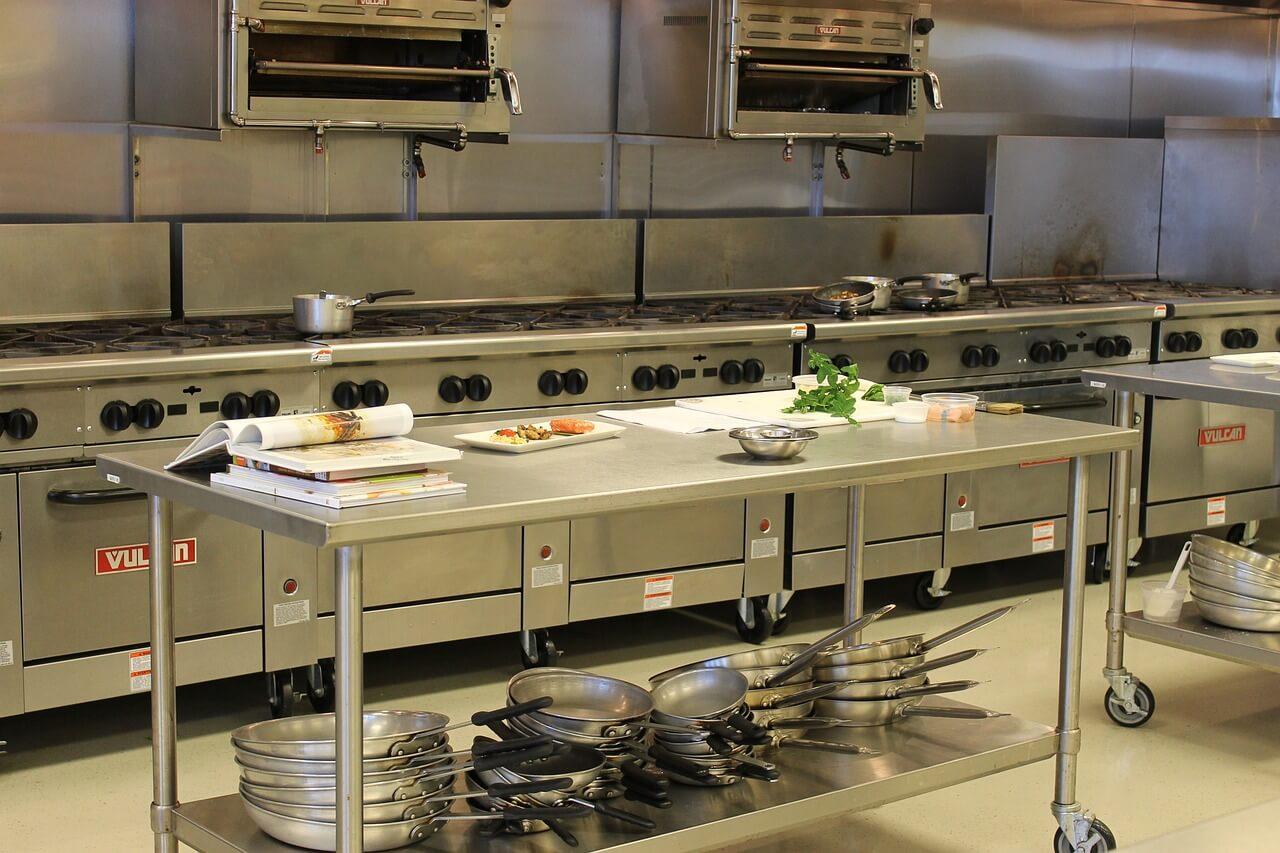
When we talk about restaurant equipment, we mean the heavy-duty tools and machines that keep a commercial kitchen running—from cooking ranges and refrigerators to prep tables, dishwashers, and everything in between. Restaurant equipment covers all the key stages: storage, prep, cooking, serving, and cleanup. And in a busy kitchen, each piece plays a critical role in keeping things fast, safe, and consistent.
Whether you're running a coffee shop, a pizza joint, or a full-scale fine dining restaurant, the setup behind the scenes matters just as much as what goes out to the table. Ovens, prep tables, ice machines, dishwashers, they're all part of a larger system designed to help your kitchen operate smoothly and meet safety standards.
Now more than ever, having reliable, energy-efficient, and regulation-compliant equipment isn't optional, it's essential. The commercial restaurant equipment market hit $4,093.8 million in 2023 and is projected to more than double by 2033, reaching $8,756.63 million. That kind of growth (at a 7.9% CAGR) reflects a massive push toward smarter kitchens and stricter compliance requirements across the restaurant industry.
If you're planning a new location or upgrading your current setup, you can't afford to guess. In this article, we'll focus on the essential equipment categories, how they impact your kitchen, and what to consider so you get it right from the start.
What Is Restaurant Equipment?
Restaurant equipment includes every essential item used to operate a foodservice business, from food prep counters and kitchen tools to dishwashing machines and point of sale systems. These tools are designed to handle specific tasks in the cooking process, food safety, cleaning, storage, and customer interaction. Without the right equipment, your kitchen staff may struggle to meet service demands, maintain proper temperature control, or comply with safety regulations.
Restaurant equipment can be divided into two main types: back-of-house (BOH) and front-of-house (FOH). BOH equipment includes everything used behind the scenes to cook, prep, store, and clean. These are your food preparation equipment like mixers, food processors, hand tools, and commercial ovens. It also includes refrigeration equipment, prep tables, deep fryers, and washing equipment such as dishwashers and disposal sinks. On the other hand, FOH equipment supports the service experience. That includes serving trays, dining tables, beverage dispensers, and wait stations, all critical for smooth guest interactions.
If you're building or revamping your restaurant layout, it's important to distinguish these categories to maximize your valuable counter space and meet your restaurant's concept. For instance, a fast-casual pizza kitchen will have a different equipment list than a high-volume bakery or coffee shop.
Cooking Equipment
Cooking equipment includes the appliances responsible for applying heat to food, whether through baking, boiling, frying, roasting, or grilling. These tools are at the core of the cooking process and determine how efficiently and consistently you can prepare your menu items. In any restaurant kitchen, cooking equipment plays a central role in helping your operation run smoothly and meet customer demand.
You'll find this category includes a wide variety of equipment types, such as ovens, ranges, grills, fryers, steamers, and specialty items. Each serves a specific function and is often selected based on kitchen size, food type, and output volume. A small bakery may rely on convection ovens and countertop mixers, while a high-volume diner may require multiple ranges, deep fryers, and steam tables to handle simultaneous orders.
The types of restaurant that benefit from high-performance cooking equipment vary widely. Fast-casual pizza kitchens require rapid, even heat distribution, which is often achieved with conveyor or deck ovens. Fine-dining establishments may prioritize temperature precision and cooking versatility, relying on combi ovens or high-end induction cooktops. Food trucks and quick-service chains benefit from space-efficient griddles, fryers, and commercial toasters that help cook food quickly while minimizing preparation time and energy usage.
Ovens
A commercial oven is among the most essential pieces of commercial kitchen equipment. Used to cook, bake, roast, and finish food, they provide consistent heat and versatile functionality. Whether you operate a fine-dining restaurant or a fast-casual coffee shop, commercial ovens help you prepare a variety of dishes from appetizers to desserts. They support daily cooking needs, increase production capacity, and reduce the chance of undercooked or improperly heated food.
Different types of ovens are suited for different tasks. Some are designed to circulate hot air evenly, while others are specialized for high-temperature baking or slow roasting. Choosing the right oven depends on your menu, available kitchen space, and output needs. The most common types include convection ovens, combination ovens, deck ovens, conveyor ovens, rotisserie ovens, and pizza ovens. Each model has distinct airflow systems, cooking chambers, and control mechanisms.
Convection Ovens
A convection oven is designed to cook food by circulating hot air around the cooking chamber using internal fans. This airflow ensures that heat is distributed evenly across all surfaces of the food, reducing cold spots and promoting consistent browning. These ovens are especially effective for baking pastries, roasting meats, and reheating processed food with uniform texture. They're often found in high-volume commercial kitchens where time, precision, and efficiency are key.
There are two main subtypes of convection ovens: countertop convection ovens and floor-standing convection ovens. Countertop models are ideal for operations with limited space, such as coffee shops or cafés. Floor-standing versions are used in larger restaurants, bakeries, or institutions that require greater capacity and higher throughput. Many convection ovens also offer programmable controls and steam injection systems to further expand their cooking versatility.
- Typical Size: Ranges from 24" to 38" wide; single or double-deck configurations are available depending on cooking volume and kitchen size.
- Cost Range: Commercial convection ovens typically range from $1,000 to $10,000 based on size, features, and brand.
- Maintenance Requirements: Requires regular cleaning of fans, filters, and door gaskets. Interior and exterior surfaces should be wiped daily with approved cleaning products to prevent buildup and maintain airflow.
- Typical Lifespan: With proper care, convection ovens last 10 to 15 years. Lifespan is influenced by usage intensity, quality of components, and adherence to maintenance schedules.
- Power Requirements: Available in gas and electric models. Electric versions typically operate on 208-240 volts; gas versions require proper ventilation systems to handle combustion byproducts safely.
Combination Ovens (Combi)
A combination oven, or combi oven, is a highly versatile cooking appliances that integrate three modes of heat transfer: convection, steam, and a combination of both. This allows you to cook with dry heat, moist heat, or a precise mix, depending on the food and cooking process. These ovens are designed for efficiency and precision, helping you cook food faster, retain moisture, and minimize shrinkage. They're especially useful in high-volume operations where menu variety and cooking consistency are essential.
A combi oven is capable of baking, roasting, grilling, steaming, poaching, and reheating—all within a single unit. Because of this flexibility, it's commonly found in institutional kitchens, large restaurants, hotels, and healthcare facilities. It supports everything from delicate steamed vegetables to perfectly roasted meats, and it can be programmed with specific recipes for consistent results across shifts and staff.
- Typical Size: Units come in half-size or full-size formats. A full-size combi oven typically measures around 39" wide and holds up to 20 pans, making it ideal for a busy kitchen with limited floor space.
- Cost Range: The price ranges from $5,000 for compact units to over $20,000 for advanced programmable models with multiple cooking phases and touchscreen interfaces.
- Maintenance Requirements: Requires regular descaling, daily cleaning of the steam injection system, and internal cavity. Many models include automatic cleaning cycles that reduce manual effort and support food safety compliance.
- Typical Lifespan: 12 to 15 years with proper cleaning and timely maintenance of components like gaskets, door seals, and heating elements.
- Power Requirements: Available in gas or electric versions. Electric models typically require 208-240 volts with three-phase wiring, while gas units must be connected to a ventilation system and gas line rated for commercial use.
Pizza Ovens
Pizza ovens are built to generate high temperatures and provide even, radiant heat for baking pizza and other dough-based products. These ovens are essential for establishments that specialize in or serve pizza as a core menu item. Unlike general-purpose ovens, pizza ovens are engineered to create the specific crust textures and moisture balance required for different pizza styles, whether thin crust, Neapolitan, or deep-dish.
Commercial pizza ovens can be deck-style, conveyor-style, or wood-fired. Deck ovens use stone or ceramic decks that retain heat and cook from the bottom up, making them ideal for artisan pizza. Conveyor ovens move pizza along a belt through a heated chamber, allowing for automation and high-volume output. Wood-fired ovens are used in gourmet restaurants for traditional pizza flavor, though they require more skill and ventilation management.
- Typical Size: Deck ovens range from 30" to 60" wide and can include multiple stacked chambers. Conveyor ovens are typically 50" to 70" in length and require more installation space.
- Cost Range: Prices start at around $3,000 for entry-level models and can exceed $20,000 for high-capacity conveyor or wood-fired brick ovens.
- Maintenance Requirements: Daily ash removal (for wood-fired), regular deck cleaning, and conveyor lubrication are essential. Digital controls should be checked for accuracy to avoid temperature drift.
- Typical Lifespan: 10 to 20 years depending on fuel type, usage intensity, and maintenance practices. Brick ovens tend to last longer but may require occasional structural repairs.
- Power Requirements: Gas and electric versions are available. Electric ovens require 220-240 volts; gas models need proper hookup and ventilation for safe operation in compliance with safety regulations.
Rotisserie Ovens
A rotisserie oven is designed to roast meat, especially poultry, using a rotating spit system. As the food rotates, it bastes in its own juices, leading to a moist interior and crispy exterior. These ovens are ideal for grocery delis, rotisserie shops, and restaurants that offer roasted chicken or meat as a central dish. They also help reduce labor, as the automatic rotation ensures even cooking with minimal staff oversight.
Rotisserie ovens use infrared heat, convection air, or a combination of both. Some models allow you to cook different foods on separate spits at the same time without flavor transfer. Because the meat is visible while roasting, many restaurants place rotisserie ovens in open areas to enhance presentation and build appetite appeal among customers.
- Typical Size: Widths range from 32" to 48". Units typically hold between 8 and 40 birds depending on size and model. Countertop models are available for smaller operations like coffee shops or food trucks.
- Cost Range: Mid-size electric rotisserie ovens start around $2,500. Larger gas-powered models with dual chambers can go up to $15,000.
- Maintenance Requirements: Daily cleaning of interior surfaces, drip trays, and spit rods is necessary. Glass doors should be cleaned with non-abrasive solutions to maintain visibility.
- Typical Lifespan: 8 to 12 years with consistent maintenance. Replacing worn-out belts and motors extends usable life.
- Power Requirements: Available in both electric and gas models. Electric units require 208-240 volts, while gas versions need proper line connections and ventilation systems.
Conveyor Ovens
A conveyor oven is a high-efficiency cooking unit designed for speed, consistency, and automation. They operate using a conveyor belt that moves food through a heated chamber, where consistent airflow and temperature cook the food evenly from all sides. These ovens are ideal for restaurants that need to produce large quantities of food quickly, especially pizza, sandwiches, and baked goods with uniform doneness.
This type of oven is commonly used in fast-casual restaurants, franchises, and institutional foodservice operations. Because the conveyor system automates movement through the oven, it reduces human error and helps maintain steady production even during high-volume rushes. Conveyor ovens are available in electric or gas models and are designed to support programmable controls, allowing you to set precise time and temperature for each menu item.
- Typical Size: Units range from 50" to 80" in length with baking chambers that support varying belt widths (commonly 16" to 32"). Double-stack and triple-stack options are available to increase output without expanding kitchen footprint.
- Cost Range: Prices generally range from $4,000 to $15,000 depending on size, power source, brand, and additional features like digital touch controls or split-belt options.
- Maintenance Requirements: Regular cleaning of crumb trays, conveyor belts, and intake vents is essential. The belt and drive system should be lubricated and inspected for alignment to avoid mechanical failures during peak service hours.
- Typical Lifespan: On average, conveyor ovens last 10 to 15 years with consistent maintenance and proper usage in a commercial kitchen environment.
- Power Requirements: Electric models require 208-240 volts, while gas models require secure gas line installation and appropriate ventilation systems to ensure safe operation in compliance with local safety standards.
Deck Ovens
Deck ovens are traditional baking units equipped with stone, ceramic, or steel decks that radiate heat from the bottom up. These ovens provide even, dry heat that supports crust formation and moisture control, making them ideal for artisan bread, flatbreads, pastries, and pizza. Deck ovens are favored for their ability to replicate old-world baking techniques while delivering consistent performance in a commercial kitchen setting.
Each deck functions as an independent cooking chamber. Multiple decks can be stacked vertically to save space while increasing output capacity. Some models include steam injection systems to improve crust texture for baked goods. Because deck ovens do not use fans to circulate hot air, they offer a more controlled environment for delicate baking applications.
- Typical Size: Single-deck models typically measure between 36" and 60" in width. Multi-deck versions can reach up to 90" in height depending on the number of stacked baking chambers.
- Cost Range: Entry-level single-deck ovens start around $5,000. Full-size, multi-deck units with advanced digital controls or steam options can exceed $20,000.
- Maintenance Requirements: Daily cleaning of the deck surface, crumb trays, and exterior is essential. Regular inspection of temperature sensors and steam lines (if applicable) helps maintain energy efficiency and temperature control.
- Typical Lifespan: Well-maintained deck ovens can last 15 to 20 years. Lifespan is influenced by usage intensity, deck material quality, and care of heating elements.
- Power Requirements: Available in electric and gas models. Electric versions usually require 208-240 volts and draw considerable amperage. Gas ovens must meet ventilation and exhaust codes, especially in busy kitchen environments.
Ranges and Cooktops
A range combines an oven and cooktop in one unit, while a standalone cooktop is a flat surface equipped with burners but no oven. These tools allow you to boil, fry, sear, sauté, and simmer with precision, making them fundamental for preparing a wide variety of dishes in busy kitchens.
This equipment is available in three primary power configurations: gas, electric, and induction. Each has its own benefits depending on the type of food you serve, your kitchen size, ventilation capabilities, and staff preferences. Gas ranges offer open flame control for fast cooking. Electric ranges provide steady, even heat, and induction cooktops offer energy efficiency and safety by heating cookware directly.
Choosing between these range styles depends on your restaurant's concept, available utilities, and workflow needs. A fast-paced diner may benefit from heavy-duty gas ranges for handling large quantities, while a coffee shop or compact kitchen may prefer an electric or induction option to conserve space and power.
Gas Ranges
Gas ranges operate by burning natural gas or propane to generate an open flame. This flame heats cookware directly and gives you immediate control over temperature adjustments. Gas ranges are highly valued for their responsiveness, making them a preferred choice for professional chefs who need flexibility while preparing different foods with varying cooking requirements.
This type of range is commonly used in restaurants that require consistent heat control and fast recovery times. Whether you're preparing sauces, searing proteins, or managing multiple pans at once, gas ranges give your kitchen staff the ability to cook food efficiently in a high-volume environment. They're also compatible with a wide range of kitchen tools, including stainless steel pots, frying pans, and cast-iron skillets.
- Typical Size: Gas ranges typically come in widths of 24, 36, 48, and 60 inches. Many models also include additional ovens, griddle tops, or broilers, allowing you to customize based on your available floor space and storage needs.
- Cost Range: Basic models start around $2,000. High-end or multi-unit gas ranges designed for commercial kitchen equipment setups can cost between $8,000 and $12,000, depending on configuration.
- Maintenance Requirements: Regular cleaning of burner grates, drip trays, and control knobs is necessary. Periodic inspection of gas lines and flame output is recommended to prevent buildup or leaks, and to ensure your equipment complies with safety regulations.
- Typical Lifespan: On average, gas ranges last 10 to 15 years when maintained properly. Replacing burners, valves, or ignition systems extends lifespan and ensures consistent performance in a commercial setting.
- Power Requirements: Gas ranges need a dedicated gas line and usually a 120V outlet for electronic ignition. Proper ventilation systems are also required to manage air volume flow rate and meet health code standards.
Electric Ranges
Electric ranges are powered by electricity and feature coil burners or smooth-top surfaces that deliver consistent, even heat across your cookware. These units are widely used in commercial kitchens where gas access is limited or where safety standards require enclosed heating elements. Unlike open flame models, electric ranges provide a stable, burn-free environment around the heating zone, which can be beneficial in compact or high-traffic kitchen layouts.
This equipment is ideal for bakeries, cafés, or institutional foodservice operations that require steady cooking temperatures for delicate items. Because they retain heat longer, electric ranges are also useful for keeping food warm post-cooking. However, they may take longer to reach cooking temperature compared to their gas counterparts.
- Typical Size: Standard widths include 24", 36", and 48". Units are often modular, allowing you to combine ranges with ovens, griddles, or warming drawers depending on your menu needs and available space.
- Cost Range: Entry-level models begin at around $1,500. Advanced units with digital thermostats, smooth ceramic tops, or dual ovens can exceed $10,000 depending on configuration and size.
- Maintenance Requirements: These ranges require regular cleaning of heating elements and drip trays (or ceramic tops) and periodic calibration of thermostats. Keeping components dry after cleaning extends their performance life and maintains energy efficiency.
- Typical Lifespan: Electric ranges last about 10 to 15 years with proper upkeep. Since they contain fewer moving parts, maintenance tends to be simpler compared to gas alternatives.
- Power Requirements: Most commercial electric ranges need a 208V or 240V outlet and a dedicated circuit breaker. Always verify local regulations and power ratings when selecting a model.
Induction Cooktops
Induction cooktops use electromagnetic fields to heat cookware directly, without warming the surface itself. These cooktops offer rapid heating, precise temperature control, and enhanced safety because the cooktop remains cool to the touch. This makes induction a preferred option in locations where burn risks, energy use, or ventilation constraints are top concerns.
This technology is becoming increasingly common in modern commercial kitchen equipment, particularly in hotel breakfast stations, open kitchens, and quick-service restaurants. Because induction models heat pots and pans through magnetic conductivity, only compatible cookware can be used, typically stainless steel or iron-based materials. This method also minimizes ambient heat, supporting better working conditions in busy kitchens.
- Typical Size: Single units are typically 12"-15" wide. Larger two-burner or built-in commercial units range up to 36". Many countertop models are compact enough to fit on prep counters or utility carts without occupying valuable counter space.
- Cost Range: Single-burner units start around $300. Full commercial-grade models with multiple zones and digital controls may cost between $2,000 and $5,000 or more depending on features.
- Maintenance Requirements: Because induction surfaces stay cool, spills don't bake onto the surface. A simple wipe-down with cleaning rags or mild cleaning products keeps the unit in working shape. Occasionally inspect power cords and ventilation fans underneath the cooktop.
- Typical Lifespan: On average, induction cooktops last 8 to 12 years in a commercial setting, depending on frequency of use and brand quality. Models with integrated circuit protection and fan-cooling systems tend to perform better over time.
- Power Requirements: Units usually operate on 120V or 240V circuits. High-volume installations may require dedicated breakers and verification with local safety standards, especially if the system is paired with a kitchen display system or smart point of sale setup.
Griddles and Grills
Griddles and grills are central components in many commercial kitchen setups. As part of the broader cooking equipment category, they allow you to prepare a wide variety of menu items using flat or open flame surfaces. Understanding the differences between these tools and how they serve various cooking functions is important when designing your restaurant kitchen equipment list.
A griddle features a flat, smooth surface that distributes heat evenly across its surface, making it ideal for breakfast foods, sandwiches, or searing meats and vegetables. It's often found in diners, quick-service restaurants, and food trucks where batch cooking and versatility are essential. On the other hand, a grill uses direct flame or electric heating to cook food, usually creating the sear marks and smoky flavor that many customers expect with items like burgers, steaks, or skewers.
In both cases, these units are often considered essential equipment in fast-paced kitchens. The ability to cook large quantities quickly and with consistent heat supports high-volume service and improves kitchen workflow.
Flat-Top Griddles
Flat-top griddles are large, rectangular cooking appliances with a heated, smooth surface made from steel or chrome-plated metal. These griddles heat evenly and are designed to handle multiple foods at once, from pancakes and eggs to burgers, stir-fry, and more. The flat surface allows you to cook food directly without pans, saving you both time and valuable counter space.
In a commercial kitchen, flat-top griddles are typically built into a line of other appliances or used as stand-alone units on prep tables. Their ability to support simultaneous food preparation makes them ideal for busy kitchen staff working through breakfast, lunch, or dinner rushes. The versatility also reduces preparation time, since staff can cook different foods on the same surface with effective temperature control and without moving between stations.
- Typical Size: Commercial flat-top griddles come in sizes ranging from 24" to 72" wide. You can choose between countertop models or floor-mounted units with integrated storage or warming cabinets, depending on your kitchen size and layout.
- Cost Range: Prices typically start at $1,000 for small countertop models and can go up to $8,000 for high-end units with dual thermostats, extra drawers, or specialized coatings for easier cleaning.
- Maintenance Requirements: Daily cleaning is essential to prevent buildup of grease and food debris. You'll want to use cleaning rags and a griddle scraper to maintain the surface. Grease traps must be emptied regularly to comply with food safety and local regulations.
- Typical Lifespan: With proper care, flat-top griddles can last 10 to 12 years in a commercial setting. Surface durability depends on the quality of the steel or chrome used and how frequently you clean and recondition the plate.
- Power Requirements: Flat-top griddles are available in both gas and electric models. Electric versions often require a 208V or 240V outlet, while gas models connect to natural gas or propane. Always confirm compatibility with your building's utilities and ventilation systems.
Charbroilers
Charbroilers are specialized cooking equipment designed to deliver high-temperature grilling using either radiant heat or infrared burners. They simulate the traditional grilling effect of open flame, producing the distinct char lines and smoky flavor many customers expect with grilled proteins and vegetables. You'll typically see these units in restaurants that prioritize grilled dishes, especially steakhouses, burger joints, and barbecue restaurants.
A charbroiler uses grates positioned above heat sources to cook food directly. Depending on the model, you can choose from lava rock, radiant, or infrared heating systems. Radiant charbroilers are common in commercial kitchens, providing even heat distribution and good searing performance. Infrared units cook faster and are more efficient but cost more upfront.
Charbroilers are invaluable when your kitchen needs to cook food quickly, with signature grill marks and caramelized surfaces. If your menu features high-volume grilling, investing in the right unit can improve customer satisfaction, reduce prep time, and enhance your restaurant kitchen's overall efficiency.
- Typical Size: Units range from 24" to 72" in width, available as countertop models or floor-standing systems. Some models include add-ons like splash guards or storage bases to save space and simplify your workflow.
- Cost Range: Prices typically start at $1,200 for compact countertop charbroilers and can go up to $9,000 for full-width units with multiple heating zones and stainless steel construction.
- Maintenance Requirements: Daily cleaning of the grates, grease trap, and burner covers is required to prevent grease buildup and maintain safety standards. It's important to use cleaning supplies compatible with high-heat surfaces to keep performance consistent.
- Typical Lifespan: Charbroilers generally last 7 to 12 years depending on usage intensity and whether routine maintenance is followed.
- Power Requirements: Most commercial models are gas-powered (natural gas or propane), but electric versions are available for locations with ventilation restrictions or limited gas access. Make sure to check for compliance with local regulations and proper ventilation systems.
Gas or Electric Grills
Gas or electric grills serve a similar function to charbroilers but offer different heating styles and operating efficiencies. These grills are found across a wide range of commercial settings and are especially popular in operations where consistency, energy efficiency, and flexibility are key to performance. Whether you run a diner, a catering service, or a full-service restaurant, selecting the right grill setup ensures your kitchen equipment aligns with both your space and menu.
Gas grills operate using natural gas or propane and offer rapid heat-up and higher maximum temperatures, making them ideal for grilling meats, fish, and vegetables. On the other hand, electric grills use resistive heating elements, which are easier to install and maintain—especially in buildings where gas hookups aren't available or where local safety equipment regulations limit flame-based appliances.
Understanding these options helps you balance performance, layout, and safety. Both types can be found in modular countertop formats or as part of larger integrated cooking suites.
- Typical Size: Available in widths ranging from 24" to 60", most commercial models come as countertop units, though larger versions can be installed in custom kitchen layouts.
- Cost Range: Depending on size and features, expect to pay between $1,000 and $6,000. Gas models are generally less expensive to run, but may require higher installation costs due to ventilation systems and utility setup.
- Maintenance Requirements: Cleaning the grates and drip trays daily is critical. Electric grills require less intensive burner maintenance but should be checked regularly for electrical connections and element wear.
- Typical Lifespan: With consistent care and regular maintenance, both gas and electric grills can last 8 to 10 years in a commercial setting.
- Power Requirements: Gas models need a secure natural gas line or propane setup with proper airflow and ventilation. Electric models typically use a 208V or 240V connection, and may also require dedicated breakers or GFCI outlets for safe operation.
Fryers
Fryers are essential pieces of commercial kitchen equipment used to cook food by immersing it in hot oil. You'll find them across nearly every segment of the foodservice industry, from fast food to full-service restaurants. They are vital for preparing menu items such as french fries, chicken tenders, doughnuts, and onion rings. In a busy kitchen, a reliable fryer supports high-volume cooking, consistent product quality, and quick turnaround times.
Commercial fryers fall into two broad categories: countertop and floor models. Countertop fryers are ideal for compact kitchens or limited menus, while floor fryers are designed for higher output and are typically part of a larger restaurant kitchen equipment setup. Depending on your operation, you'll need to choose the right fryer capacity, safety equipment, and heating type (gas or electric).
It's important to look for features like automatic shutoff, temperature control systems, and oil filtration units that reduce food waste and improve energy efficiency. These safety and operational features not only help your operation run smoothly but also ensure compliance with local regulations and food safety standards.
Countertop Fryers
Countertop fryers are compact, portable units that sit on prep counters or designated workspaces. They're perfect for low-to-medium volume frying and work well in coffee shops, food trucks, and concession stands where space is limited. Despite their small size, these fryers can still deliver excellent performance and are commonly found in a commercial setting that doesn't require continuous deep frying.
Technically, countertop fryers use either electric coils or gas burners to heat oil within a stainless steel tank. Some models include digital temperature control, timers, and automatic shutoff for enhanced safety. Their smaller oil capacity also means quicker preheating, which saves time during short service windows.
- Typical Size: Widths usually range from 10" to 18", with single or double tank options. Oil capacities range between 10 to 30 pounds.
- Cost Range: Expect to invest between $300 to $1,800 depending on features, capacity, and brand. Units with integrated filtration systems or programmable controls are priced at the higher end.
- Maintenance Requirements: Daily oil filtering and regular tank cleaning are a must. You'll also need to keep an eye on sediment buildup, clean baskets with food-safe cleaning products, and inspect heating elements or burners for wear.
- Typical Lifespan: With proper use, countertop fryers can last 5 to 8 years. Lifespan depends largely on how frequently you cook food and whether the unit is cleaned according to manufacturer guidelines.
- Power Requirements: Most countertop fryers are electric and operate on 120V or 240V circuits. Gas models require proper ventilation systems and secure gas line connections.
Floor Fryers
Floor fryers are the workhorses of the restaurant industry. These large appliances are designed for high-capacity frying, making them essential equipment in fast-paced operations like diners, burger chains, and cafeteria-style kitchens. They offer a range of configurations including open pot, tube-style, and flat-bottom designs, each suited for specific cooking needs.
Typically installed as part of the main cooking equipment lineup, floor fryers come with advanced safety regulations such as overheat protection, built-in filtration systems, and high-temperature shutoffs. They're often paired with other equipment like prep tables, holding equipment, or kitchen display systems to create an efficient cooking process that helps reduce preparation time and food waste.
- Typical Size: Units vary from 15" to 24" in width per fryer. Many kitchens install them in banks of 2 to 4 fryers. Oil capacity ranges from 40 to 100 pounds per tank.
- Cost Range: Prices typically range from $1,500 to $6,000 depending on tank size, features, and whether you opt for gas or electric heating. Models with built-in filtration and smart diagnostics are priced higher.
- Maintenance Requirements: Regular oil filtration and full tank cleanouts are necessary. Cleaning rags and approved cleaning supplies should be used to avoid damaging internal components. Scheduled maintenance helps prevent workplace accidents and extends the equipment's lifespan.
- Typical Lifespan: Floor fryers generally last 8 to 12 years when maintained well. Daily use in a high-volume kitchen will wear components faster, so consider service agreements to protect your investment.
- Power Requirements: Gas fryers (natural or propane) are most common due to faster heat recovery and lower energy costs. Electric models are available and typically require a 208V or 240V connection. Confirm that your equipment complies with local safety standards and electrical codes.
Microwaves and Specialty Cooking Equipment
In a commercial kitchen, not all cooking tasks are about high-volume frying or grilling. Some foods require precision heating, finishing, or fast reheating, and that's where microwaves and specialty cooking equipment come in. These tools play a supporting but essential role in the restaurant kitchen, helping you reduce preparation time and serve consistent results.
This category includes both high-powered commercial microwave ovens and more niche machines like salamander broilers. Whether you're running a high-volume coffee shop, a casual eatery, or a fine-dining restaurant, these units offer specialized functions that complement your main cooking equipment. They're particularly useful when you need to reheat, melt, crisp, toast, or finish cooked dishes without tying up your primary line.
Commercial Microwave Ovens
Commercial microwave ovens are specifically engineered for restaurant use. Unlike residential models, they're built for durability, higher wattage, and repeat usage in a fast-paced commercial setting. These microwaves can reheat, defrost, or partially cook food items with extreme speed, making them ideal for breakfast service, prep stations, and quick-service menus.
They operate by emitting microwave radiation that excites water molecules inside the food, generating heat from the inside out. This allows for uniform heating of processed food, sauces, soups, and pre-cooked items. Many models are programmable, allowing you to pre-set time and power levels for specific menu items, a critical benefit in busy kitchen environments with multiple staff members.
- Typical Size: Most units range from 0.6 to 1.2 cubic feet in interior capacity. Exterior widths are usually between 16" to 24", depending on model and features.
- Cost Range: Prices range from $400 to $2,000. High-end units offer inverter technology, double magnetrons for even heating, and user-friendly control panels.
- Maintenance Requirements: Routine wiping of interior and exterior surfaces with food-safe cleaning products is essential. Always avoid using abrasive materials to protect stainless steel finishes. Internal filters (if present) should be checked monthly.
- Typical Lifespan: With proper cleaning and ventilation, a commercial microwave can last 5 to 7 years. Lifespan may shorten in kitchens that depend primarily on microwave cooking.
- Power Requirements: Most units operate on 120V or 208/240V circuits, drawing between 1,000W and 3,200W depending on performance class. Make sure your kitchen layout supports safe temperature regulation and ventilation.
Panini Presses
Panini presses are countertop appliances designed for grilling pressed sandwiches. They consist of two heated plates, typically grooved or flat, mounted in a clamshell configuration that applies heat and pressure from both sides simultaneously. These units cook food evenly and quickly, making them ideal for fast-casual restaurants, food trucks, and any location with a lunch-heavy menu.
Beyond sandwiches, panini presses are used to cook food items like quesadillas, flatbreads, breakfast wraps, and even sliced vegetables. Their ability to save time during the cooking process makes them one of the more versatile tools in the restaurant equipment list.
- Typical Size: Most models have a grill surface area ranging from 9"x10" to 16"x14". Double models allow for high volume cooking on two independent plates.
- Cost Range: Entry-level units start around $150, while heavy-duty models designed for commercial restaurant equipment environments can cost between $600 and $1,200.
- Maintenance Requirements: After each use, the cooking plates should be wiped down with a damp cloth once they've cooled. Avoid immersing or scrubbing with harsh cleaning products. Nonstick plates are easier to clean but may wear faster.
- Typical Lifespan: With routine cleaning and proper care, panini presses can last 5 to 8 years, especially in low to moderate volume environments.
- Power Requirements: These electric units usually operate at 120V or 208V and consume between 1,200W and 1,800W. Proper ventilation and clearance from other hot surfaces are important for performance and safety.
Soup Kettles
Soup kettles are specialized countertop units used for holding, warming, and serving hot liquids like soups, sauces, and stews. These are commonly found in self-serve stations, buffets, and cafes. Unlike stovetop pots, soup kettles provide safe temperature control to maintain food safety without scorching or over-reducing the product.
Most models use a water bath (also called a bain-marie system) to distribute heat evenly. This prevents hot spots and allows food to stay at safe temperature levels over extended service times. For kitchens dealing with multiple soup varieties or daily rotating menus, these kettles are an essential part of the commercial kitchen equipment list.
- Typical Size: Capacity ranges from 6 to 11 quarts per unit. Larger operations may use multiple kettles in a single steam table.
- Cost Range: Basic models cost between $100 and $250. Premium units with digital controls or stainless steel exteriors can reach $400 to $700.
- Maintenance Requirements: Water wells should be emptied and dried daily to prevent scaling and food residue. Inner liners and lids must be cleaned thoroughly to comply with local regulations on food safety.
- Typical Lifespan: When well-maintained, soup kettles can remain in service for 6 to 10 years. Always inspect cords and control panels for wear in high volume operations.
- Power Requirements:
These units are typically plug-and-play 120V appliances using around 400-600W. They are energy efficient and require no special electrical installation.
Divided Hot Pot Cookers
Divided hot pot cookers, often referred to as dual soup bases or split-bowl hot pots, are specialty cooking units used primarily in Asian cuisine. They feature a metal bowl divided into two or more compartments, allowing cooks or guests to simultaneously simmer different broths, often one spicy and one mild, at the table or on the line.
These units are growing in popularity in American restaurants offering authentic Chinese, Korean, or Japanese hot pot experiences. The ability to cook various meats, vegetables, and noodles directly at the table adds an interactive element to the dining experience while minimizing prep counters in the back-of-house.
- Typical Size: Most tabletop cookers range from 12" to 16" in diameter. Larger commercial models designed for back-of-house preparation can hold up to 6 liters of liquid per chamber.
- Cost Range: Consumer-grade models cost around $60-$150. Commercial divided hot pot units typically range between $300 and $800, depending on materials and power output.
- Maintenance Requirements: These units must be cleaned thoroughly after every use to remove broth residues and prevent cross-contamination. Stainless steel designs are easier to sanitize and withstand high temperatures.
- Typical Lifespan: With regular descaling and gasket checks, these cookers typically last 4 to 7 years in a busy kitchen setting.
- Power Requirements: Most are electric and operate on 120V or 240V, consuming between 1,000W and 1,500W. Temperature control systems ensure broth remains at a safe temperature without overboiling.
Noodle Boilers
Noodle boilers are specialized cooking equipment designed for high-efficiency boiling of noodles in commercial kitchen environments. They feature individual stainless steel baskets immersed in heated water chambers, allowing you to prepare multiple noodle portions simultaneously with precise temperature control. Commonly found in Asian restaurants, food halls, and fusion kitchens, these units ensure consistent texture and cooking times across a wide variety of noodle types, from soba to ramen and udon.
The equipment is engineered for both speed and safety. Many units include overflow channels, water filtration, and sediment traps to keep the cooking water clean while reducing food waste. For operations where noodles are a core menu item, a dedicated noodle boiler streamlines the cooking process, reduces prep time, and minimizes reliance on stovetop pots. In a busy kitchen, these machines are essential equipment that can help you maintain quality without sacrificing efficiency.
Like all pieces of commercial kitchen equipment, the right unit depends on your kitchen layout, cooking process, and expected volume.
- Typical Size: Single-tank units may measure around 16"x30", while multi-basket or twin-tank units can extend to 40" wide. Capacities usually range from 15 to 40 liters of water per tank, with 4 to 8 baskets for portioning.
- Cost Range: Entry-level countertop noodle boilers start around $800. Floor-standing high-volume models designed for the restaurant industry can range from $2,000 to $6,000 depending on features like automated water refill, filtration systems, or built-in timers.
- Maintenance Requirements: Regular descaling is essential to ensure energy efficiency and avoid mineral buildup in the heating elements. Basket cleaning, drain inspection, and sediment removal should be part of your daily cleaning supplies checklist. Units should comply with local regulations regarding water sanitation and kitchen safety standards.
- Typical Lifespan: With proper care and adherence to manufacturer maintenance schedules, a commercial noodle boiler can last 6 to 10 years. Heavy-duty models in high-volume environments may require more frequent gasket or control panel replacements.
- Power Requirements: Most electric noodle boilers operate at 208V or 240V with 4,000 to 12,000 watts of heating power, depending on size and design. Gas-powered models are also available and preferred in some commercial settings for rapid recovery rates and lower operating costs.
Steamers and Holding Equipment
Steamers and holding equipment are essential tools that help you keep cooked food warm and ready to serve without compromising taste, texture, or safety. These types of commercial kitchen equipment play a key role in high-volume operations, especially buffets, banquets, cafeterias, and fast-paced restaurants. Their ability to maintain food at a safe temperature over extended periods makes them critical to food safety and quality control. Whether you're managing a hotel brunch or prepping meals for a school cafeteria, this equipment ensures your operation runs smoothly even during peak hours.
This category supports various service models by reducing the time needed to prep dishes to order. Instead of cooking everything on demand, you can batch cook, hold, and serve as needed. This is particularly helpful in managing labor costs, optimizing kitchen layout, and improving efficiency in busy kitchen environments.
Commercial Steamers
Commercial steamers are appliances designed to cook food using high-temperature steam. This steam-based method is ideal for vegetables, rice, seafood, and even proteins like chicken or fish. Steamers circulate hot air and water vapor around food to ensure even cooking without the need for oils or direct heat. Unlike ovens or fryers, steamers help retain nutrients and moisture, making them a healthier and often faster option.
Steamers come in countertop and floor models, with either boiler-based or boilerless systems. Boiler-based models are best for very high-volume restaurants and institutions, while boilerless units are easier to maintain and more energy-efficient. You'll find them in healthcare settings, hotels, corporate cafeterias, and other commercial kitchen operations where large batches of food must be cooked quickly and consistently.
- Typical Size: Compact countertop steamers start at around 24" wide, while larger floor units may be 36" to 48" wide and stackable. Most models can hold 3 to 10 full-size steam pans.
- Cost Range: Basic models begin around $3,000. High-capacity, programmable units can range from $6,000 to $12,000 depending on features, pan capacity, and steam generation method.
- Maintenance Requirements: Regular descaling is critical to prevent mineral buildup in steam generation components. Boilerless models require less intensive upkeep. Daily cleaning of drip trays, gaskets, and door seals is also necessary to avoid food waste accumulation and preserve hygiene.
- Typical Lifespan: With consistent maintenance, commercial steamers can last 8 to 12 years. Units in high-volume foodservice industry kitchens may need replacement sooner if not properly serviced.
- Power Requirements: Electric steamers typically operate at 208V-240V, drawing between 10 and 24 kW depending on size. Gas models are also available, offering faster heat-up times and lower energy costs in some regions.
Steam Tables
Steam tables are holding equipment designed to keep hot food at a safe temperature during service. Instead of cooking food, they use moist heat, usually generated from heated water trays underneath stainless steel pans, to maintain food temperatures above the danger zone (135°F+). This is essential in buffet lines, catered events, and back-of-house setups where ready-to-eat dishes must be held for extended periods.
You'll often find steam tables in hotel breakfast areas, cafeteria lines, and self-service restaurants. These units allow you to organize dishes into sections while giving your kitchen staff or customers easy access to multiple menu items. They reduce preparation time and help you serve large quantities of food efficiently during busy hours.
- Typical Size: Units vary from single-well countertop models (around 24") to 5-well freestanding models that can exceed 72" in length. Pans typically follow standard sizing—1/1, 1/2, and 1/3 pan configurations.
- Cost Range: Countertop steam tables start around $500. Larger freestanding electric or gas-powered models with enclosed bases and storage space can reach $4,000 or more.
- Maintenance Requirements: Water pans should be emptied and sanitized daily to prevent buildup and bacteria. Surfaces require frequent cleaning to manage spills and prevent rust, especially around control knobs and heating elements. Ensure that safety regulations are followed regarding electrical safety and heating surfaces.
- Typical Lifespan: With proper maintenance, steam tables last 7 to 10 years. Units with fewer moving parts tend to have fewer failure points, but thermostats and heating elements may need periodic replacement.
- Power Requirements: Electric models typically require 120V or 208V service, depending on the number of wells. Gas steam tables are also used in mobile or remote setups, offering portability and reduced electrical load.
Rice Cookers and Warmers
Rice cookers and warmers simplify the cooking process by automating rice preparation while ensuring each batch is uniform and properly held for service. This makes them especially valuable in fast-paced kitchens where timing, consistency, and food safety matter.
You'll find this type of equipment in restaurants that serve high volumes of rice-based dishes, such as Asian cuisine establishments, food halls, and buffet-style operations. The cooker handles the initial cooking phase, and once complete, seamlessly transitions into warming mode. This automatic hold function keeps rice at a safe and ready-to-serve temperature throughout a busy shift without drying it out or overcooking it. For any restaurant that depends largely on speed and consistency, this equipment plays a major role in keeping operations efficient.
Unlike household models, commercial rice cookers and warmers are designed to manage higher volumes with greater reliability. They're typically built with durable outer shells, reinforced cooking chambers, and smart sensors to maintain moisture and temperature balance.
- Typical size: Models range in capacity from 20 to over 50 cups of uncooked rice. Finished yield varies but can exceed 100 cups of cooked rice. Most units are countertop style, taking up moderate space on prep counters or equipment stands.
- Cost range: Entry-level units typically start at around $250. High-end programmable models with induction heating or dual-cook settings may cost up to $800 or more depending on brand and functionality.
- Maintenance requirements: These machines are low-maintenance but require regular cleaning of the inner pot, lid, steam vent, and sensors. Failure to clean can lead to residue buildup, affect taste, or cause issues with moisture detection and temperature control.
- Typical lifespan: With regular maintenance, most commercial rice cookers and warmers last 5 to 8 years. Lifespan may vary depending on usage frequency and build quality.
- Power requirements: Most models operate on 120V and draw around 1,000 to 1,500 watts. Some higher-output versions may require 208V or 240V service in larger kitchens.
Refrigeration and Freezing Equipment
In every commercial kitchen, refrigeration and freezing equipment plays a non-negotiable role in ensuring safe food storage and preserving ingredient integrity. Without it, perishable items such as meats, dairy, seafood, sauces, and prep ingredients would spoil quickly, posing health risks and financial loss. Whether you're operating a small deli or managing a high-volume restaurant, this equipment is fundamental to maintaining food safety and minimizing waste.
Refrigeration units range from compact undercounter models to large walk-in coolers and freezers. Each one serves a distinct purpose in your restaurant kitchen layout. For instance, reach-in refrigerators offer quick access for food prep staff, while walk-in units are better for bulk storage. Stand up freezers and chest freezers are often used for longer-term storage of frozen foods. Selecting the right refrigeration system depends on your kitchen size, menu, and the volume of ingredients you handle daily.
This equipment category is also essential when it comes to compliance with local regulations and safety standards. Holding ingredients at the correct temperature directly impacts your ability to pass inspections and operate legally. That's why including the right refrigeration equipment on your restaurant equipment list is one of the most important planning steps when building or remodeling your kitchen.
Refrigerators
Refrigerators are central to day-to-day food storage operations in any restaurant kitchen. They help regulate temperature to keep ingredients fresh and safe, ensuring your kitchen can run efficiently without interruptions. This equipment is especially useful during food preparation and service, offering immediate access to chilled items at food prep counters or near cook lines.
In a commercial setting, refrigerators are more than just cold boxes. They're engineered to maintain safe temperature control even when doors are opened frequently. Most models include adjustable shelving, digital thermometers, and advanced air circulation systems to ensure even cooling. The right equipment will optimize workflow, prevent food waste, and support food safety throughout the cooking process.
Different types of restaurant kitchen equipment fall under the refrigerator category, each suited to specific kitchen needs. Reach-in refrigerators, undercounter units, and prep table refrigerators are among the most commonly found models in a commercial kitchen equipment list.
Reach-In Refrigerators
Reach-in refrigerators are tall, upright units designed for quick, easy access to chilled ingredients. You'll typically find them near prep tables or along the perimeter of a busy kitchen. These units usually feature full-size swing or half-height doors and are available in single, double, or triple section formats. They're engineered for durability, high-volume use, and consistent temperature performance in commercial restaurant equipment environments.
This type of refrigeration equipment is particularly valuable in fast-paced operations. It supports both food preparation and food safety by keeping ingredients within safe temperature ranges while still being easily accessible. Whether you're storing sauces, produce, dairy, or processed food items, reach-ins offer the storage space and compartmentalization needed to keep ingredients organized and ready for use.
- Typical size: Standard units range from 25 to 75 cubic feet. Single-door models typically stand about 80" tall and 30" wide, while triple-door models can span over 80" in width.
- Cost range: Basic single-section units start around $1,200. High-end, energy-efficient models with stainless steel interiors and advanced temperature control can exceed $4,500.
- Maintenance requirements: Requires routine condenser coil cleaning, door gasket inspection, and defrosting as needed. Regular cleaning supplies should be on hand to maintain hygiene.
- Typical lifespan: Well-maintained units typically last 8 to 12 years. Heavy-duty commercial equipment can exceed that if service agreements are followed.
- Power requirements: Most models use 120V outlets and consume between 6-12 amps, depending on the cooling system and compressor size.
Walk-In Coolers
Walk-in coolers are large-scale refrigeration units designed to store significant amounts of ingredients in a secure and temperature-controlled environment. They are especially useful in high-volume kitchens and foodservice industry operations that depend on bulk purchasing and advance food prep.
Walk-ins serve as the primary cold storage hub, often holding frozen foods, raw meats, dairy, and processed food. Their spacious interiors allow kitchen staff to organize inventory using storage racks and color-coded food storage containers. You'll often see them paired with walk-in freezers to separate frozen and chilled storage zones.
- Typical size: Standard sizes range from 6x6 ft up to 12x20 ft or more, with custom builds available.
- Cost range: $6,000 to $20,000 depending on size, insulation, and cooling system.
- Maintenance requirements: Includes coil cleaning, door seal inspections, temperature calibration, and condenser checks.
- Typical lifespan: 10-20 years with consistent service and proper use.
- Power requirements: Most systems use 208V or 220V and require a dedicated circuit. Larger units may demand 3-phase power.
Under-Counter Refrigerators
Under-counter refrigerators are compact units designed to provide easy access to chilled items at prep stations, bars, and food prep counters. These models are ideal when you need refrigeration but can't spare valuable counter space.
You'll typically find them in fast-paced kitchens where chefs need to grab dairy, sauces, or prepped ingredients quickly. Their small footprint and ergonomic design make them one of the most efficient commercial restaurant equipment options for maximizing workflow in tight spaces.
- Typical size: Ranges from 6 to 12 cu ft; common widths are 27" to 60".
- Cost range: $800 to $3,000 depending on capacity and features.
- Maintenance requirements: Clean filters, inspect seals, check thermostat and defrost system regularly.
- Typical lifespan: 7-10 years depending on usage and upkeep.
- Power requirements: Generally 115V, standard plug. Low power draw compared to larger systems.
Beverage Coolers
Beverage coolers, also known as bar refrigerators or back bar coolers, are used to store and display cold drinks including sodas, beer, and bottled water. These units are especially important for coffee shops, bars, and casual dining restaurants where beverage sales play a big role in revenue.
Unlike general-purpose refrigeration units, beverage coolers prioritize quick access and product visibility. Some models feature glass doors and LED lighting to highlight product selection and support impulse purchases. While not designed for heavy-duty food prep storage, they are an important part of the broader restaurant equipment list.
- Typical size: 2.5 to 20 cu ft, with single, double, and triple-door options.
- Cost range: $500 to $2,500 depending on brand, finish, and features.
- Maintenance requirements: Defrost regularly, clean door seals, inspect compressors.
- Typical lifespan: 5-8 years in high-use environments.
- Power requirements: Usually 115V, low amperage. Many are energy-efficient models.
Freezers
Freezers are vital components of your refrigeration and freezing equipment setup. Their main role is to preserve food by keeping it below freezing point, extending shelf life and preventing the growth of harmful bacteria. This is especially critical for maintaining food safety in high-volume commercial kitchens.
Whether you're storing frozen foods, sauces, prepped meats, or desserts, freezers allow you to manage inventory effectively and avoid unnecessary food waste. Commercial restaurant equipment in this category comes in several types, with reach-in and walk-in freezers being the most common for restaurants. Choosing the right one depends on your kitchen layout, storage needs, and the pace of your cooking process.
Reach-In Freezers
Reach-in freezers are upright units designed for quick access and daily use. They're commonly placed near food prep counters and are ideal for keeping frozen ingredients close to where kitchen staff need them most. This makes them one of the most essential kitchen equipment items for busy kitchens.
These units typically feature solid or glass doors, multiple shelves, and temperature control systems that circulate cold air evenly. Some models are dual-temp units that can operate as either refrigerators or freezers, depending on your menu and kitchen layout. Because they're part of the visible workspace, stainless steel finishes and ergonomic handles are often prioritized in their design.
- Typical size: 19 to 72 cu ft; single, double, and triple-door formats available.
- Cost range: $2,000 to $7,000 depending on size, brand, and features.
- Maintenance requirements: Clean condenser coils, check door gaskets, monitor thermostat performance, and defrost if not automatic.
- Typical lifespan: 10-15 years with regular maintenance and proper loading.
- Power requirements: Most run on 115V-220V depending on size; requires a dedicated outlet.
Walk-In Freezers
Walk-in freezers offer large-scale storage for significant amounts of frozen food. These units are essentially insulated rooms equipped with a refrigeration system to keep food at sub-zero temperatures. They are commonly found in restaurants that require long-term storage for bulk goods, processed food, or high-volume menu items.
Typically located in a back-of-house area or near a loading dock, walk-ins support better inventory management and help streamline deliveries. You can organize contents using labeled food storage containers and storage racks for easy access. Walk-ins are often used in combination with walk-in coolers for a complete cold storage system.
- Typical size: Starts at 6x6 ft and can go up to 12x20 ft or more with customization.
- Cost range: $8,000 to $25,000 depending on dimensions, insulation, and compressor type.
- Maintenance requirements: Includes checking insulation panels, calibrating temperature control, cleaning fans and evaporator coils, and inspecting door seals.
- Typical lifespan: 15-20 years when maintained under manufacturer guidelines.
- Power requirements: Often requires 208V or 220V; some larger systems need 3-phase power and external condensing units.
Blast Chillers
Blast chillers are specialized commercial kitchen equipment used to rapidly reduce the temperature of cooked food. Their primary function is to cool food quickly enough to pass through the temperature danger zone, typically between 135°F and 40°F, where bacterial growth is most likely. By doing this, you improve food safety and extend product shelf life without sacrificing taste, texture, or nutritional value.
These units are especially useful in restaurants that prepare food in advance for later service, such as catering operations, commissary kitchens, or high-volume restaurants with batch cooking strategies. Blast chillers support HACCP compliance and reduce the risk of food waste due to spoilage.
- Typical size: Ranges from 5-tray countertop models to 40-tray roll-in units. Capacities are measured by the number of pounds they can chill in 90 minutes.
- Cost range: $4,000 to $18,000 depending on size, brand, and features like auto defrost or programmable settings.
- Maintenance requirements: Includes daily interior cleaning, condenser coil dust removal, checking door gaskets, and inspecting drain lines for blockages.
- Typical lifespan: 10-15 years with routine maintenance and proper airflow around the unit.
- Power requirements: Most use 208V to 240V; larger units may require 3-phase power and dedicated circuits.
Ice Makers
Ice makers are a staple in nearly every restaurant kitchen and are particularly important for establishments with beverage service. These machines produce large volumes of ice on demand and support not only drinks, but also food preparation, cold displays, and proper holding temperatures in salad bars or seafood stations.
You'll often find ice makers paired with beverage dispensers, soda fountains, or integrated directly into bar service areas. In full-service restaurants and coffee shops alike, they help reduce wait times and keep the customer experience consistent. They are also listed on every complete restaurant equipment list due to their versatility.
- Typical size: Daily production rates vary from 50 lbs for small under-counter models to 2,000+ lbs for modular units with bin storage.
- Cost range: $1,000 to $6,500 depending on output capacity, type of ice (cubed, flaked, nugget), and self-contained vs. remote systems.
- Maintenance requirements: Regular cleaning with approved descaling agents, inspection of water filters, sanitizing the bin, and flushing the water lines.
- Typical lifespan: 7-12 years based on usage intensity and water quality.
- Power requirements: Usually 115V for smaller models, while larger commercial units require 208V or 220V. Some also have water line and drain specifications that must meet local regulations.
Food Preparation Equipment
Food preparation equipment refers to the tools and machines used in the early stages of the cooking process, before heat is applied. This category includes devices that chop, grind, slice, shred, and mix ingredients to streamline the prep workflow. Whether you're processing vegetables, preparing sauces, or slicing proteins, this type of commercial kitchen equipment is essential to maintaining efficiency in a busy kitchen.
Restaurants of all sizes, from fast food outlets to upscale bistros, depend heavily on the right equipment to reduce prep time and improve consistency. These tools are especially important in high-volume kitchens where prep work must be done quickly, in large quantities, and according to strict safety regulations. Typical items in this category include food processors, countertop mixers, immersion blenders, cutting boards, and prep tables.
Having the right food prep equipment lets your kitchen staff work faster and safer. It also minimizes manual labor, food waste, and repetitive strain injuries. The goal is to help your operation run smoothly while maintaining quality and consistency across every dish on the menu.
Food Processors
Food processors automate repetitive prep tasks like chopping, slicing, dicing, grating, and pureeing. This single piece of equipment can replace multiple manual tools, saving you time and freeing up kitchen staff for more complex tasks.
You'll find different models tailored for specific needs. Some are designed for heavy-duty batch work while others specialize in precision processing. Many models include interchangeable discs or blades that let you switch between functions with minimal downtime. This adaptability makes food processors a top choice for commercial restaurant equipment, especially when prepping vegetables, sauces, and even doughs.
In fast-paced kitchens, food processors play a crucial role in reducing preparation time without compromising output quality. They also help you process large volumes of food evenly and consistently, whether you're making salad mixes, soup bases, or purees for dessert dishes.
Batch Bowl Processors
Batch bowl processors are the most common type of food processor found in commercial kitchens. These units use a bowl to hold ingredients while a blade assembly processes the contents. Once the processing cycle is complete, you remove the lid and empty the batch, hence the name.
These processors are ideal for preparing sauces, dips, dressings, and chopped vegetables in fixed quantities. They work well in restaurants that handle multiple small batches throughout the day. From salad prep in a coffee shop to complex blends in a fine dining kitchen, this equipment helps you cook food with greater efficiency and consistency.
- Typical size: Bowl capacities usually range from 1.5 quarts for countertop units up to 6 quarts for commercial models.
- Cost range: Expect prices from $300 to $2,500 depending on size, motor strength, and blade versatility.
- Maintenance requirements: Clean bowl and blades after each use; inspect seals and safety interlocks regularly; sharpen or replace blades as needed.
- Typical lifespan: 5-10 years depending on usage and maintenance practices.
- Power requirements: Most models operate on 120V with standard plug; larger units may require 208V for higher torque performance.
Continuous Feed Processors
Continuous feed processors are high-efficiency food preparation equipment designed to handle large quantities of ingredients with minimal interruption. Unlike batch bowl processors, these machines continuously process food through a feed chute, allowing you to prep vast amounts of vegetables, cheese, or meat in a short period. Their primary function is to streamline food prep operations in commercial kitchens with high volume and fast turnover.
This equipment is particularly useful in establishments like school cafeterias, banquet halls, and quick-service restaurants where consistency, speed, and labor reduction are essential. With a range of blade and disc attachments, you can shred cabbage, slice cucumbers, or dice onions, all without stopping to reload.
- Typical size: These machines vary from countertop units under 2 feet tall to floor-standing models; chute openings range from 2" to over 6".
- Cost range: $1,500 to $7,000 depending on build quality, motor strength, and slicing capacity.
- Maintenance requirements: Daily cleaning of feed chute, blades, and housing; monthly inspection of motor bearings and safety interlocks.
- Typical lifespan: 8-12 years with routine service and proper use.
- Power requirements: Most units require 120V or 208-240V depending on horsepower; some heavy-duty models use 3-phase power.
Buffalo Choppers
Buffalo choppers, also known as bowl cutters, are heavy-duty processors designed to grind, emulsify, and chop ingredients into uniform textures. What makes them stand out is the metal bowl that spins under a curved rotating blade. This configuration ensures even processing of dense items like meats, root vegetables, and nuts—making them a smart choice when preparing sausage, pâté, or finely chopped vegetables.
You'll find these machines in kitchens that need consistent particle size and high production efficiency, such as deli counters, butcher shops, and large institutional kitchens. The combination of durability and versatility makes the buffalo chopper one of the most commonly found pieces of equipment in traditional prep lines focused on volume and precision.
- Typical size: Common bowl sizes range from 12" to 18" in diameter; units measure 24"-36" wide.
- Cost range: $2,500 to $9,000 depending on capacity, build quality, and features.
- Maintenance requirements: Regular sharpening of blades, cleaning of bowl and housing, and checking motor ventilation for overheating.
- Typical lifespan: 10-15 years if used and maintained according to manufacturer guidelines.
- Power requirements: Generally 115V to 240V, with higher-end units requiring 3-phase 208-240V service.
Combination Processors
Combination processors merge the functions of both batch bowl and continuous feed machines into a single unit. This hybrid design lets you switch between small batch processing and large-volume slicing without needing two separate machines. If your menu and kitchen workflow change throughout the day, a combination processor gives you unmatched flexibility.
These units are best for restaurants that need to balance diverse prep needs, like cutting produce for salad bars during lunch service and prepping sauces or dressings for dinner. They are common in mid-sized kitchens that want to maximize productivity while saving counter space and minimizing the number of large appliances on the restaurant equipment list.
- Typical size: Units typically offer 3-5 qt batch bowls and 1.5-2.5 HP motors; the footprint is around 20" x 20".
- Cost range: $1,800 to $6,000 depending on features, build, and motor strength.
- Maintenance requirements: Clean bowl and chute components after each use; inspect blade wear, drive belts, and feed seals periodically.
- Typical lifespan: 7-10 years with proper cleaning and part replacement as needed.
- Power requirements: Standard models use 120V; larger or European-imported units may use 208-240V.
Mixers
Mixers are a core category of food preparation equipment in any professional kitchen. These machines are engineered to blend, whip, or knead ingredients with speed and precision, making them indispensable when preparing dough, batters, sauces, and fillings. For establishments that handle baked goods, pastries, or high-volume prep, mixers significantly reduce manual labor and help standardize your cooking process.
There are three main types of commercial mixers: hand mixers, countertop mixers, and floor mixers. Each serves different kitchen sizes and food volumes. Hand mixers are best for smaller tasks and quick prep, while floor mixers are built for large-scale production. Choosing the right equipment from your restaurant equipment list helps optimize food prep counters, maintain consistency, and manage kitchen staff workloads efficiently.
When integrated correctly into your restaurant kitchen layout, mixers allow you to speed up food prep without compromising texture or quality. Whether you're operating a coffee shop or a full-service restaurant, mixers rank among the essential kitchen equipment for day-to-day production.
Hand Mixers
Hand mixers are compact, handheld kitchen tools used to mix ingredients like whipped cream, mashed potatoes, and cake batter. Unlike countertop or floor models, these units are portable, easy to store, and perfect for light-duty applications. Their versatility makes them ideal for prep tasks that don't require heavy-duty mixing but still benefit from mechanical assistance over manual effort.
These mixers are commonly found in small kitchens, bakeries, dessert stations, and even food trucks. They're especially useful when you need to mix small batches or work across multiple prep tables. You can use them for whipping egg whites, blending sauces, or creating smooth batters, all while preserving valuable counter space for other essential equipment.
- Typical size: Generally lightweight, ranging from 10 to 15 inches long; weight is usually under 3 pounds.
- Cost range: $50 to $400 depending on power, brand, and included attachments.
- Maintenance requirements: Clean beaters and housing after each use, inspect cord and motor casing for wear, and ensure proper storage to prevent damage.
- Typical lifespan: 3-5 years with frequent use, but longer if properly maintained.
- Power requirements: Most plug into standard 120V outlets; power draw ranges from 150W to 350W.
Countertop Mixers
Countertop mixers are mid-sized, semi-portable mixing units designed for small to medium batch processing. These mixers are mounted on a work surface and are ideal for bakeries, cafes, or restaurants that need reliable mixing without dedicating floor space. They combine the power of larger commercial equipment with a compact form, making them a favorite among chefs focused on flexibility and efficiency.
You'll often see countertop mixers used for whipping cream, preparing dough, mixing cake batter, or blending sauces. Their versatility makes them a top choice for any restaurant kitchen that balances high-volume prep with limited space. These mixers can operate continuously for extended periods, helping you prepare food consistently and reduce preparation time.
- Typical size: Usually ranges from 5 to 20 quarts in bowl capacity; commonly measures 15"-30" in height and fits on standard prep tables.
- Cost range: $700 to $2,500 based on brand, capacity, and speed settings.
- Maintenance requirements: Regular cleaning of the bowl and beater, checking gear mechanisms, lubricating moving parts, and inspecting electrical components.
- Typical lifespan: 8-12 years with moderate to frequent use.
- Power requirements: Typically runs on 120V with 500-1,200 watts of power draw depending on model.
Floor Mixers
Floor mixers are high-capacity mixing machines designed for large-volume operations. As the largest and most powerful mixer type in the commercial restaurant equipment category, these units are freestanding and built to mix heavy dough, thick batters, or large quantities of ingredients with minimal effort. You'll typically find them in bakeries, institutional kitchens, and restaurants where high-volume cooking is part of daily operations.
This type of mixer uses powerful motors and gear-driven mechanisms to handle intense workloads. They're essential equipment in facilities that need consistency and speed for bread production, pizza dough, or dessert fillings. Their ability to automate the mixing process for significant amounts of food helps reduce labor and streamline prep workflows in busy kitchens.
- Typical size: Capacity ranges from 30 to 80 quarts or more; average footprint is around 24" x 30", standing over 4 feet tall.
- Cost range: $4,000 to $15,000 depending on capacity, attachments, and control systems.
- Maintenance requirements: Daily cleaning, frequent lubrication of moving parts, checking drive belts and transmission systems, and ensuring safety equipment complies with standards.
- Typical lifespan: 12-20 years with proper care in commercial settings.
- Power requirements: Usually 208V to 240V, often with 3-phase power for higher torque and energy efficiency.
Blenders and Juicers
Blenders and juicers are designed to process fruits, vegetables, and other ingredients into smoothies, soups, sauces, or juices. Their ability to reduce prep time while delivering consistent results makes them vital in the modern commercial kitchen.
Restaurants, coffee shops, juice bars, and fast-casual concepts depend heavily on high-performance blending and juicing stations. These units support everything from health-focused beverage programs to flavor-intense dessert dishes. By helping your kitchen staff prep large quantities of mixed ingredients quickly, they also help minimize food waste and optimize valuable counter space.
From commercial blenders used to purée soups or mix frozen drinks, to juicers that extract fresh fruit and vegetable juices for vibrant menus, these food preparation tools play a central role in delivering consistent, high-quality output.
Commercial Blenders
Commercial blenders are heavy-duty machines built to withstand continuous use in busy kitchen environments. Unlike residential units, these are engineered for performance, blending tough ingredients like ice, frozen fruit, nuts, and dense vegetables into smooth, uniform textures. You'll find them in everything from smoothie shops to high-end restaurants that prioritize speed and consistency.
You can use a commercial blender to prepare sauces, batters, marinades, and blended soups. They're especially useful for reducing prep time in kitchens that depend largely on fresh, house-made items. These machines are often part of the commercial kitchen equipment list for businesses focused on menu customization and processed food alternatives.
- Typical size: Jar capacity typically ranges from 48 to 128 oz; footprint is compact, often under 9" x 9".
- Cost range: $400 to $2,000 based on motor power, controls, and brand reputation.
- Maintenance requirements: Clean after each use, inspect blades regularly, and check motor base ventilation. Use food-safe cleaning supplies.
- Typical lifespan: 5-10 years with routine care and light to moderate use.
- Power requirements: 120V standard, drawing between 1,200 to 2,200 watts depending on model.
Commercial Juicers
Commercial juicers are designed to extract fresh juice from produce at high volumes, making them indispensable in juice bars, cafés, and restaurants that offer fresh, made-to-order beverages. These units are typically categorized as centrifugal or masticating, each offering unique advantages in terms of speed, yield, and juice clarity.
You'll want a commercial juicer if your foodservice concept includes fresh-squeezed juices, detox drinks, or seasonal menu items featuring fresh produce. Unlike blenders, juicers separate the pulp from the juice, giving you clean, vibrant results that elevate both presentation and flavor. For operations focused on healthy options or natural ingredients, they're an essential addition to your commercial restaurant equipment list.
- Typical size: Units can range from countertop models at 15" tall to larger freestanding versions over 30".
- Cost range: $500 to $3,500 depending on throughput rate, durability, and juicing mechanism.
- Maintenance requirements: Daily disassembly and cleaning of all food-contact parts, regular motor and mesh inspections, and sanitation in line with safety regulations.
- Typical lifespan: 6-12 years depending on use frequency and adherence to maintenance routines.
- Power requirements: Typically operates on 110V-120V; some higher-capacity models require 220V.
Dough and Meat Equipment
Whether you're prepping deli sandwiches, baking artisan pizza, or offering house-made sausage, the dough and meat equipment helps you maintain consistency and speed in your workflow. These are heavy-duty processors made for repeated use in high-volume kitchens.
Each piece of cooking equipment in this category is designed to minimize food waste, save prep time, and maximize your storage space by standardizing ingredient portions. That's especially useful when your kitchen layout is tight and every square foot matters.
Dough Sheeters
Dough sheeters are specialized food preparation equipment used to flatten and stretch dough into uniform thickness. These machines work by passing dough through rollers that adjust to various thickness settings, helping you prep pizza crusts, pie shells, pasta sheets, and pastries with precision.
If your restaurant's concept includes baked goods or fresh dough-based dishes, a dough sheeter can be a smart choice. It helps reduce manual labor, improves product consistency, and speeds up prep counters during busy kitchen hours.
- Typical size: Models range from 20" to 30" wide rollers; floor and countertop units available
- Cost range: $2,500 to $8,000 depending on brand, size, and automation features
- Maintenance requirements: Clean rollers daily, inspect belts, lubricate moving parts monthly
- Typical lifespan: 10-15 years with regular maintenance and proper handling
- Power requirements: Usually 110V or 220V, depending on size; some require dedicated circuits
Meat Slicers
Meat slicers are essential equipment for prepping cold cuts, cheeses, and even vegetables in thin, consistent slices. These units use a rotating circular blade and adjustable gauge plate to control slice thickness, helping you manage portion sizes and reduce food waste.
Commonly found in deli stations, sandwich shops, and pizza ovens prep lines, meat slicers offer the control you need to maintain a high-quality standard across servings. They're a staple on any restaurant equipment list focused on high-volume slicing tasks.
- Typical size: Blade diameters from 9" to 14"
- Cost range: $400 to $3,500 based on automation, horsepower, and build quality
- Maintenance requirements: Daily cleaning, sharpening stones for blade edge, sanitize thoroughly.
- Typical lifespan: 8-12 years with proper cleaning and blade maintenance
- Power requirements: 120V standard plug for most models
Meat Grinders
Meat grinders are powerful food prep supplies used to process fresh meat into ground form for burgers, sausages, meatballs, and more. This piece of commercial restaurant equipment is particularly valuable if you want full control over texture, fat content, and freshness.
Grinders are a staple in commercial kitchen equipment for butcher shops, burger joints, and upscale restaurants that prioritize house-ground meats. They reduce reliance on processed food and allow you to prepare different foods in bulk.
- Typical size: Output capacities from 200 to 1,200 lbs per hour
- Cost range: $600 to $4,000 depending on horsepower, construction (stainless steel), and volume
- Maintenance requirements: Disassemble and clean components after each use; sanitize thoroughly
- Typical lifespan: 7-10 years with consistent cleaning and proper use
- Power requirements: 110V or 220V; higher-volume units often require 1 HP+ motor and dedicated circuit
Cutting Tools
Cutting tools manual and semi-automatic tools that help prep fruits, vegetables, and other ingredients quickly and safely. Every restaurant kitchen needs a set of durable, sharp, and efficient cutting tools to operate effectively during high-volume service.
Using dull knives or outdated equipment increases the risk of workplace accidents and slows down your kitchen staff. On the other hand, high-quality equipment like vegetable choppers and peelers can help your operation run smoothly, especially when you're prepping large quantities of food in a busy kitchen. These items are considered essential equipment for any business that wants to serve fresh, consistent dishes while minimizing food waste.
Vegetable Choppers
Vegetable choppers are mechanical or manual tools used to cut vegetables into uniform sizes and shapes. They're often built with interchangeable blades, making them versatile tools for slicing, dicing, and julienning different foods like onions, tomatoes, bell peppers, and even fruits. Most commercial vegetable choppers use a grid blade system combined with a pressing arm to apply downward force, resulting in quick, even cuts.
This type of food preparation equipment is indispensable in restaurants where you need to process large quantities of vegetables fast—think salad bars, sandwich shops, and pizzerias. Unlike traditional chopping with chef knives, these choppers improve food safety by reducing direct contact with blades and reducing the chances of dull knives causing slips.
- Typical size: Tabletop models range from 8" x 8" footprint up to 20" commercial units
- Cost range: $100-$800 depending on blade types, material (usually stainless steel), and brand
- Maintenance requirements: Blades must be removed and cleaned after each use; frame and pressing arms should be wiped down regularly
- Typical lifespan: 5-8 years, depending on frequency of use and blade care
- Power requirements: Most are manual; electric models use standard 120V
Peelers
Peelers are simple yet essential kitchen tools used to remove the outer skin of vegetables and fruits like potatoes, carrots, apples, and cucumbers. In a commercial kitchen, using a high-quality peeler helps ensure food prep is both fast and safe. There are various types available, from standard handheld peelers to electric rotary peelers for high-volume settings.
Restaurants that serve large quantities of peeled produce, such as stews, soups, and side dishes, depend primarily on peelers to cut down on prep time and reduce food waste. A sharp peeler preserves more of the usable food and minimizes injury risks compared to dull knives or makeshift tools. In busy kitchens, this kind of equipment complies with both food safety standards and operational efficiency needs.
- Typical size: Handheld (6-7 inches) or electric models with up to 10" peeling zones
- Cost range: $10-$40 for handheld; $300-$1,200 for commercial electric units
- Maintenance requirements: Handhelds require blade sharpening or replacement; electric models require regular cleaning of peeling chamber
- Typical lifespan: 2-4 years for handhelds; 6-10 years for electric models
- Power requirements: Manual or 120V for powered models
Slicers
Slicers, also known as deli or manual slicers, are specialized machines designed to create precise, uniform slices of meat, cheese, or produce. In a commercial kitchen setting, these tools reduce labor, eliminate waste, and increase output without sacrificing food safety or product quality. Whether you're operating a sandwich counter or prepping for a high-volume pizza oven, a slicer ensures consistent thickness with each cut, which helps your menu look and taste the same every time.
Slicers typically come with adjustable blades and a rotating carriage. Some models include safety equipment like blade guards or automatic shut-off switches. These features not only protect your kitchen staff but also align with safety regulations and local regulations for foodservice equipment compliance.
- Typical size: 20"-30" wide, depending on blade size and carriage
- Cost range: $400-$3,000 depending on blade diameter, motor strength, and safety features
- Maintenance requirements: Daily cleaning with food-safe cleaning supplies, blade sharpening every few weeks depending on use
- Typical lifespan: 8-12 years with proper maintenance
- Power requirements: Most electric models require a 120V connection; some heavy-duty processors may require 240V
Sharpening Stones
Sharpening stones are essential equipment for keeping knives and other blades in tip top shape. A dull knife not only slows down your kitchen prep, it increases the risk of cuts, damage to ingredients, and inconsistent results. High quality sharpening stones ensure your chef knives, manual slicers, and even vegetable choppers stay sharp, efficient, and compliant with safety standards.
In a commercial kitchen, sharpening stones are usually made from natural stone, ceramic, or synthetic materials. They're used in combination with water or oil to reduce friction and evenly sharpen both sides of a blade. Keeping a few in your kitchen tools drawer is a smart choice, especially if you rely heavily on cutting boards, chef knives, and prep counters during busy shifts.
- Typical size: Ranges from 6" to 12" in length
- Cost range: $30-$150 depending on grit level and material (ceramic, diamond, water stone)
- Maintenance requirements: Rinse thoroughly after each use, flatten periodically with a lapping plate to maintain even surface
- Typical lifespan: 5-10 years depending on frequency of use and grit wear
- Power requirements: None, completely manual
Prep Surfaces
Prep surfaces are the foundation of safe and efficient food preparation in every commercial kitchen. Whether you're dicing vegetables, slicing meat, assembling sandwiches, or organizing food storage containers, your kitchen layout and work surface setup directly impact productivity, hygiene, and flow. In the restaurant industry, poorly organized prep areas waste time, create bottlenecks, and increase the risk of cross-contamination, especially during high-volume service hours.
Choosing the right prep surfaces allows your kitchen staff to operate smoothly and within safety standards. Properly selected food preparation equipment, especially cutting boards, prep tables, and work tables, should align with your restaurant's concept, available space, and menu demands. These components are not just pieces of commercial kitchen equipment; they're key items that affect how fast you can cook food and how clean your operation stays.
Cutting Boards
Cutting boards are essential kitchen tools used to prepare different foods while protecting countertops and maintaining food safety. In a commercial kitchen setting, cutting boards are color-coded to prevent cross-contamination between meat, seafood, produce, and dairy. This simple strategy—required by many local regulations—helps reduce food waste and ensures foodservice industry standards are met during the cooking process.
Typically made from polyethylene or composite materials, commercial-grade cutting boards are durable, dishwasher-safe, and resistant to moisture. They are designed to hold up against heavy daily use with sharp knives, dull knives, and even electric slicers. Many prep tables feature slots or racks to store these boards for easy access.
- Typical size: 12" x 18" to 24" x 36", often sold in sets of multiple sizes
- Cost range: $15-$60 per board, depending on material and thickness
- Maintenance requirements: Wash after every use, sanitize regularly, replace when grooves become deep or stained
- Typical lifespan: 6 months to 2 years, depending on frequency and type of use
- Power requirements: None—manual tool
Food Prep Tables
Food prep tables are specialized surfaces designed for high-volume ingredient assembly, slicing, or mixing tasks. They're often used in pizzerias, salad stations, or sandwich shops where kitchen staff must access cold storage units and cutting areas simultaneously. Most models include integrated refrigeration equipment to keep ingredients at a safe temperature, which reduces the need to walk back and forth to a walk in cooler or stand up freezer.
These tables may also feature built-in food storage containers, utensil drawers, and backsplash panels. Their stainless steel surfaces are non-porous and easy to clean, making them compliant with food safety guidelines. Prep tables are a space-saving solution that boosts energy efficiency and supports the smooth operation of the entire restaurant kitchen.
- Typical size: 27" to 72" in width, with depths ranging from 30" to 36"
- Cost range: $1,200-$6,000 depending on length, refrigeration units, and features
- Maintenance requirements: Wipe down frequently with food-safe cleaning supplies; check temperature control daily
- Typical lifespan: 8-15 years with regular upkeep and cleaning
- Power requirements: 120V or 240V if refrigerated; some smaller models are non-powered
Commercial Work Tables
Commercial work tables are the backbone of back-of-house food prep operations. They provide a stable, hygienic surface for mixing, kneading, plating, and assembling various dishes. Unlike prep tables, these tables usually lack refrigeration or ingredient wells, but they are highly versatile tools suited to nearly every station in a commercial kitchen.
Most commercial work tables are made of stainless steel for durability, corrosion resistance, and easy sanitation. Some models include under-shelves, storage racks, or drawers for holding equipment like mixing bowls, spatulas ladles, or other equipment needed for daily food prep. Placed strategically along kitchen walkways or in wait stations, these tables help kitchen staff keep essential equipment easily accessible without cluttering valuable counter space.
- Typical size: 24" x 36" to 30" x 96", available in various sizes for different kitchen sizes
- Cost range: $150-$1,000 depending on material thickness, add-ons like shelving or casters
- Maintenance requirements: Wipe down with sanitizing cleaning products after each shift
- Typical lifespan: 10-20 years with proper care and minimal abuse
- Power requirements: None, non-electric fixture
Dishwashing and Sanitation Equipment
Dishwashing and sanitation equipment refers to the category of commercial kitchen equipment specifically designed to maintain hygiene, streamline cleaning tasks, and comply with safety regulations in the foodservice industry. In any busy kitchen, whether it's a small coffee shop or a high-volume restaurant, efficient washing equipment is essential for maintaining food safety, keeping prep tools in tip-top shape, and making sure every service runs smoothly.
This equipment category typically includes commercial dishwashers, disposal sinks, portable sinks, utility carts, and essential safety items like cleaning supplies, wet floor signs, and cleaning rags. These systems are vital for processing large quantities of dishes, utensils, and cookware quickly while minimizing water and energy waste. Whether you run a fast-paced pizza house or a fine-dining restaurant, investing in the right equipment helps you meet local regulations and avoid workplace accidents caused by improper sanitation.
With hygiene being one of the most critical concerns in the restaurant industry, having a reliable system for washing, sanitizing, and drying dishes is not optional, it's a key factor in long-term kitchen performance and regulatory compliance.
Dishwashing Equipment
The primary purpose of dishwashing equipment is to clean dishes, pans, utensils, and other kitchen tools in a fast, consistent, and sanitary manner. These machines are designed to remove food residue, processed food particles, and grease while maintaining safe temperature control for proper disinfection. This ensures your food preparation equipment and cooking equipment are always ready for the next shift.
In the restaurant equipment list, dishwashing equipment is often one of the first large appliances considered during kitchen planning. It directly affects how efficiently your kitchen staff can operate, how quickly you can serve customers, and whether you comply with food safety laws. From prep counters to point of sale, the cleanliness of your dishes impacts every part of the customer experience.
Most commercial restaurant equipment packages will include a dishwasher tailored to the restaurant's concept, whether you're running a small house kitchen or a high-volume cafeteria.
Commercial Dishwashers
Commercial dishwashers are heavy-duty processors designed to clean significant amounts of dishes in a short amount of time. Unlike residential models, these machines use high-temperature hot water or chemical sanitizing systems to kill bacteria and ensure safe temperature requirements are met. Some models feature conveyor belt systems, while others are door-type or undercounter, depending on your kitchen size and volume of dishware.
This essential kitchen equipment saves both time and labor, making it especially valuable in a busy kitchen environment. It also reduces the risk of dull knives, cracked dessert dishes, or damaged spatulas ladles caused by manual washing. Most units comply with local safety standards and can integrate easily into existing cleaning equipment systems or dishwashing stations.
- Typical size: 24" x 24" to 66" wide (undercounter to conveyor models)
- Cost range: $3,000-$25,000 depending on type, throughput, and energy efficiency features
- Maintenance requirements: Daily cleaning of filters and spray arms, monthly descaling, and regular inspection of water jets and seals
- Typical lifespan: 10-15 years with proper maintenance and service agreements
- Power requirements: 208-240V, 1 or 3-phase, 20-70 amps depending on size and heating type
Glasswashers
Glasswashers are compact dishwashing units built specifically to clean glassware without damaging fragile items or leaving water spots. They use a combination of low-pressure spray systems and temperature control to sanitize glasses while preserving their clarity and structure. These units are especially common in bars, wine houses, coffee shops, and restaurants that handle a high turnover of beverage service.
You'll often find glasswashers positioned near bar sinks, wait stations, or utility carts for easy access during service. By using a glasswasher instead of a standard dishwasher, you can maintain both hygiene and presentation standards without overloading more robust dishwashing systems. They are essential for businesses that want to offer clean, streak-free glassware consistently, especially in commercial settings where customer experience matters.
- Typical size: 24" x 25" x 35" (standard undercounter design)
- Cost range: $2,000-$7,000 depending on cycle speed, automation, and energy efficiency
- Maintenance requirements: Daily draining and filter cleaning, descaling monthly, regular inspection of spray arms
- Typical lifespan: 8-12 years with routine service and equipment complies with local regulations
- Power requirements: 120V to 240V, usually 15-20 amps depending on capacity
Pot Washers
Pot washers are designed for the heavy-duty cleaning of large kitchen equipment such as pots, pans, mixing bowls, and food prep containers. These machines are significantly more powerful than standard dishwashers or glasswashers. They operate using high water volume and stronger spray force to dislodge burnt food, grease, and thick residue typically left behind after steam cooking, baking, or frying.
Pot washers are most commonly found in high-volume kitchens, institutions, or operations where cooking processes produce large quantities of dirty cookware. They help reduce cleaning time, improve kitchen workflow, and extend the lifespan of expensive kitchen tools by reducing the wear that manual scrubbing can cause. Their design typically includes a spacious wash chamber, adjustable racks, and sometimes even conveyor belt functionality for high-throughput applications.
- Typical size: 40" x 39" x 70" (floor-standing design with pass-through access)
- Cost range: $8,000-$30,000 depending on load capacity, automation, and construction materials like stainless steel
- Maintenance requirements: Daily wash down, weekly filter and jet cleaning, bi-monthly professional servicing
- Typical lifespan: 10-15 years with proper maintenance, especially when used with high quality equipment and cleaning products
- Power requirements: 208V-240V, typically 3-phase with 40-60 amps
Pre-Rinse Units
Pre-rinse units are fixtures equipped with a high-pressure spray nozzle mounted on a flexible hose. They're installed at dishwashing stations to rinse off food debris before dishes enter a commercial dishwasher. This simple but effective tool drastically reduces the presence of dried-on food and minimizes the need for second washes. In a high-volume kitchen where food waste builds up quickly, pre-rinse units are essential equipment that saves time and water.
You'll often find pre-rinse units positioned next to disposal sinks or compartment sinks for maximum efficiency. They're commonly paired with dish tables, storage racks, or conveyor belt systems in larger restaurant kitchens. By using pressurized water to dislodge food particles, they improve the performance and lifespan of the main dishwasher while also contributing to overall water and energy efficiency.
- Typical size: Around 25" to 40" in height, with 44" to 60" flexible hose reach
- Cost range: $300-$1,000 depending on flow rate, materials, and additional features like energy-saving valves
- Maintenance requirements: Weekly spray head cleaning, hose inspection for leaks or cracks, periodic valve checks
- Typical lifespan: 7-10 years with regular care and replacement of worn parts
- Power requirements: No electrical power required; connects to standard plumbing lines
Dish Racks
Dish racks are the unsung heroes of any dishwashing workflow. These structured carriers are used to organize, support, and transport dishes through washing, rinsing, and drying stages. Available in a variety of styles—open racks, peg racks, glass racks, and tray racks—they are vital in maintaining food safety by preventing cross-contamination and ensuring items dry efficiently.
You'll see dish racks frequently placed near commercial dishwashers, prep counters, and washing equipment. They allow your staff to separate and sort dirty from clean dishes, improve drying airflow, and protect fragile items from damage during washing cycles. In a busy kitchen environment, proper dish rack usage directly impacts productivity, space usage, and sanitation standards.
- Typical size: 20" x 20" standard base; height varies by type and compartments
- Cost range: $15-$90 per unit depending on design, durability, and number of compartments
- Maintenance requirements: Daily rinsing, weekly sanitization, visual checks for broken tines or cracks
- Typical lifespan: 3-5 years depending on usage frequency and cleaning regimen
- Power requirements: None; manually operated with compatibility for conveyor dish machines or manual loading
Sinks
Sinks are among the most essential pieces of washing equipment in any commercial kitchen. These fixtures support food preparation, equipment cleaning, and general sanitation tasks. In fact, most restaurant kitchen equipment lists will include several types of sinks, each designed for a specific workflow. You'll find them used for rinsing fresh produce, washing food storage containers, sanitizing cutting boards, or even handwashing.
They are also critical for meeting food safety standards and ensuring compliance with health inspections. Depending on your kitchen layout and restaurant's concept, you may need different sink configurations, like portable sinks for mobile setups or multiple compartment sinks in dishwashing areas.
Compartment Sinks
Compartment sinks are large multi-basin units, typically divided into two, three, or four sections. Each basin is dedicated to a specific task—washing, rinsing, sanitizing, or soaking. These sinks are the workhorses of a dishwashing area and are often mandated by local regulations for operations that handle high volumes of dishes, utensils, and prep tools. They're especially valuable when a commercial dishwasher isn't in use or as a backup during power outages.
You'll usually find compartment sinks made from stainless steel, which offers durability and compliance with safety standards. These units also pair well with disposal sinks, cleaning rags, and other cleaning supplies to make the sanitation process thorough and efficient.
- Typical size: Varies from 48" to 96" wide, with each basin measuring around 18" x 18" x 12"
- Cost range: $400-$2,500 depending on size, gauge, and number of compartments
- Maintenance requirements: Daily cleaning with non-abrasive cleaners, regular inspections for drain clogs and leaks
- Typical lifespan: 10-15 years with proper maintenance
- Power requirements: None (plumbing connection only); may require hot water line and safe temperature monitoring
Bar Sinks
Bar sinks are smaller, versatile tools designed for high-frequency use in beverage service stations, wait stations, and bar areas. Unlike compartment sinks, these are typically compact and specialized for quick rinsing and sanitizing of glasses, bar tools, or dessert dishes. They help bartenders operate with speed and cleanliness while maximizing valuable counter space.
Most bar sinks feature built-in drainboards or compartments for soaking and rinsing, making them perfect for busy kitchens and drink service environments. You'll also often see them in use near coffee makers and beverage dispensers to support side prep tasks.
- Typical size: 12"-24" wide with basin depth around 10"
- Cost range: $150-$800 depending on number of compartments and included features like faucets and drainboards
- Maintenance requirements: Nightly cleaning, weekly sanitization, faucet descaling if used in a hard water environment.
- Typical lifespan: 8-12 years under moderate to heavy use
- Power requirements: None; requires standard plumbing connections
Disposal Sinks
Disposal sinks are built with integrated waste systems that include garbage disposal units directly beneath the basin. Their primary function is to break down and remove food waste before it enters the drainage system. This setup significantly reduces the risk of clogged pipes and helps your staff dispose of large quantities of processed food and leftover scraps quickly.
You'll often find disposal sinks in dishwashing stations, prep counters, and near cooking equipment like deep fryers or commercial ovens. In a busy kitchen, this type of washing equipment can be a smart choice, helping your team save time during peak service hours.
- Typical size: 24" to 48" wide, single or dual-basin configurations
- Cost range: $600 to $2,000 (sink and disposal unit combined)
- Maintenance requirements: Regular cleaning of disposal blades and filters, periodic drain flushes, monthly inspection of seals
- Typical lifespan: 8-12 years with moderate to heavy use
- Power requirements: 120V-240V depending on disposal motor; water line required
Drop-in Units
Drop-in sinks are compact, self-rimming units that are installed into countertops. They're designed for light washing tasks and are ideal for secondary washing zones, utility carts, or beverage stations. Because of their space-saving design, drop-in sinks are commonly found in bar areas, prep tables, and even next to coffee makers in fast-casual restaurants.
These sinks are often used in tandem with other equipment like commercial toasters, dessert dishes, or sauce cups, supporting specific cleaning needs without interrupting larger workflows. They're also frequently included in commercial restaurant equipment layouts where valuable counter space must be maximized.
- Typical size: 12" x 14" or 14" x 16" basins
- Cost range: $150 to $600 depending on gauge, faucet type, and finish
- Maintenance requirements: Daily surface cleaning, occasional caulking or resealing, faucet descaling
- Typical lifespan: 10-15 years with proper sealing and low-impact use
- Power requirements: None, requires standard plumbing connections only
Handwashing Sinks
Handwashing sinks are essential safety equipment mandated by health departments across the US. They are used exclusively for cleaning hands and must be installed in areas where food preparation, serving, or dishwashing occurs. These sinks support food safety by helping kitchen staff avoid contamination and comply with safety standards.
Unlike other sinks in a commercial kitchen, handwashing sinks must be accessible, easy to identify, and stocked with soap, paper towels, and proper signage. They're commonly found near prep tables, food prep counters, and entrance points of the kitchen.
- Typical size: 12" x 16" to 14" x 18" basin
- Cost range: $200 to $800 including faucet and mounting hardware
- Maintenance requirements: Daily sanitization, weekly inspection of faucet function and drainage, restocking soap and towels
- Typical lifespan: 10-12 years with routine maintenance
- Power requirements: None; some models use battery or AC power for sensor faucets
Mop Sinks
Mop sinks are floor-mounted basins designed for dumping and refilling mop buckets and other janitorial tools. Unlike standard handwashing or compartment sinks, mop sinks are installed close to the ground. This design prevents splashing and reduces the risk of injury when staff lift and empty heavy mop buckets, something especially important in high-volume commercial kitchens, bars, or restaurants with frequent spills.
Mop sinks are a type of safety equipment that helps reduce workplace accidents and ensures proper disposal of dirty water, cleaning products, and other waste. They're typically installed in janitorial closets or near back-of-house wait stations where floor maintenance occurs regularly.
- Typical size: 24" x 24" x 10" basin, floor-mounted with side splash guards
- Cost range: $300 to $800 depending on material and brand
- Maintenance requirements: Weekly deep cleaning to prevent buildup, monthly checks for drain clogs and cracks.
- Typical lifespan: 10-15 years with regular use and proper maintenance
- Power requirements: None; requires a water line and standard drainage connection
Portable Sinks
Portable sinks are freestanding, self-contained units that provide handwashing or utensil washing capabilities without requiring a permanent water line. These sinks are ideal for outdoor foodservice setups, food trucks, mobile pop-up kitchens, or temporary stations within large commercial kitchens. Some coffee shops and bakeries even use portable sinks to add handwashing stations in areas that are too far from plumbing lines.
What makes portable sinks particularly valuable is that they help your operation comply with health codes when plumbing infrastructure is limited. Many come with built-in hot water heaters, soap dispensers, and storage containers for gray water, making them a smart choice for small businesses or catering setups.
- Typical size: 28" to 36" tall, basin size varies from 10" x 12" to 14" x 16"
- Cost range: $700 to $2,500 depending on number of basins, heating features, and mobility
- Maintenance requirements: Daily sanitization of the basin and faucet, weekly emptying of wastewater tanks, periodic battery or power checks for hot water models
- Typical lifespan: 5-10 years depending on frequency of relocation and maintenance quality
- Power requirements: Some models require 110V outlets or rechargeable batteries; water supply and wastewater tanks are self-contained
Storage Solutions
In any restaurant kitchen, efficient storage units free up valuable counter space, minimize clutter, and prevent cross-contamination. From shelving and food storage containers to utility carts and kitchen canisters, the right storage setup can help your operation run smoothly, especially during peak hours. These systems are especially crucial in fast-paced environments like pizza ovens stations or food prep zones.
Different types of restaurants benefit from different storage strategies. A large-scale operation like a cafeteria might use walk-in coolers and large appliances for bulk storage, while a small dessert shop might focus more on countertop containers and compact shelving. Regardless of size, proper organization and safe temperature control remain non-negotiable.
Whether you're stocking up on dry ingredients, processed food, or frozen foods, your restaurant kitchen equipment must comply with local regulations.
Shelving and Racking
Shelving and racking are used to organize food prep supplies, cooking equipment, and even cleaning products. They play a critical role in keeping items off the floor and within reach of kitchen staff.
You'll find several types of shelving in a restaurant equipment list: wire shelving for ventilation, solid shelving for smaller containers, and wall-mounted units to maximize space in tighter kitchens. The choice of material, stainless steel, epoxy-coated metal, or polymer, depends on the application and exposure to moisture or food waste.
Good shelving improves workflow by reducing the time spent locating ingredients or tools. It also enhances food safety by preventing cross-contamination. For example, color-coded storage containers and designated shelves for raw and cooked food help enforce hygiene protocols.
Storage Racks
Storage racks are specialized shelving units designed to hold larger quantities of food prep equipment or ingredients. These racks often support baking sheets, cutting boards, or mixing bowls and are made to withstand the demands of a busy kitchen.
You'll usually see them in walk-in freezers, dry storage areas, or next to prep tables. They are especially common in commercial kitchens that handle significant amounts of food at once, such as catering businesses or institutional foodservice operations.
- Typical size: 18 to 24 inches deep, up to 72 inches high
- Cost range: $100 to $600 depending on material and size
- Maintenance requirements: Regular wiping with food-safe cleaning rags, inspection for rust or corrosion
- Typical lifespan: 5 to 15 years depending on material quality and usage
- Power requirements: None (non-electric equipment)
Storage Shelving
Storage shelving refers to fixed or adjustable units designed to hold bulk food items, kitchen tools, and essential equipment. You'll typically see these shelves in walk-in coolers, prep areas, and dry storage rooms. Their main role is to keep your commercial kitchen organized and your food prep areas free of clutter.
These shelves are often made from stainless steel or polymer materials that resist corrosion, making them ideal for environments with frequent exposure to steam cooking or wet cleaning products. Some setups even include shelving built directly into utility carts for mobile storage.
When you're outfitting your restaurant kitchen equipment, it's important to choose shelving based on what you store. Heavy-duty racks might be needed for large appliances or commercial mixers, while lighter options may hold kitchen tools or high quality sharpening stones.
- Typical size: 18-24 inches deep, up to 72 inches high; modular designs available
- Cost range: $100-$600 depending on size, material, and load capacity
- Maintenance requirements: Wipe with cleaning rags, inspect for rust, clean shelf liners regularly
- Typical lifespan: 5-15 years with proper cleaning and use
- Power requirements: None; non-electric kitchen equipment
Ingredient Bins
Ingredient bins are specialized storage containers designed to keep dry ingredients like flour, sugar, spices, and grains safe and easily accessible. These units help you streamline prep counters, maintain food safety, and comply with local regulations by preventing contamination.
You'll often see these bins underneath prep tables or near food prep counters in bakeries, pizza kitchens, and fast-paced restaurants. Many models come with clear lids or color-coded handles to support ingredient identification and help your kitchen staff operate more efficiently. The bins are usually made of food-grade plastic and are designed to hold significant amounts of product in a compact space.
Ingredient bins are a critical part of any restaurant equipment list because they directly affect prep speed and hygiene. When paired with prep tables and kitchen tools like chef knives and spatulas ladles, they help you reduce preparation time while keeping your cooking process clean and organized.
- Typical size: 21-40 gallons for floor models; countertop models as small as 5 gallons
- Cost range: $50-$300 depending on size and material quality
- Maintenance requirements: Wash weekly with approved cleaning products, check for cracks or wear
- Typical lifespan: 3-7 years with regular cleaning
- Power requirements: None
Containers and Bins
Containers and bins aren't just for storage, they help control portion sizes, preserve the quality of ingredients, and protect your investment in food supplies. Choosing the right equipment in this category allows you to improve food prep timing, reduce cross-contamination, and maintain safe temperature zones, especially for perishable items. In short, bins and containers do more than hold—they help the operation run efficiently.
Food Storage Containers
Food storage containers are designed to handle the daily demands of a commercial kitchen. These containers typically store dry ingredients, chopped vegetables, sauces, or prepared items. Depending on the restaurant's concept and volume, you may need a wide variety, ranging from small plastic quart containers to large stainless steel pans with tight-sealing lids.
Look for options that are BPA-free, NSF-certified, and come with colored lids to support allergen control or food safety compliance. Using standardized containers with clear measurement markings also reduces guesswork and ensures consistency in food prep.
- Size: Available in multiple sizes from 1-quart to over 22 quarts.
- Cost Range: $3 to $30 per container, depending on size and material.
- Maintenance: Must be cleaned regularly using proper cleaning supplies; dishwasher-safe options save time.
- Lifespan: 1-3 years, depending on usage frequency and cleaning practices.
- Material: Polycarbonate, polypropylene, stainless steel, each with distinct benefits for temperature control and durability.
Storage Bins
Storage bins typically refer to large-capacity containers used for holding bulk dry goods such as flour, sugar, or rice. In a commercial kitchen, ingredient bins with sliding or lift-up lids are a must for safe and sanitary storage. These bins should be durable, mobile, and able to fit beneath food prep counters or in designated storage units for quick access.
Some storage bins come equipped with scoop holders to prevent cross-contamination, while others feature transparent lids for quick identification. This type of equipment is especially important in bakeries, pizzerias, or any operation that works with large quantities of dry ingredients.
- Size: Typically 21 to 32-gallon capacity; some models hold over 100 lbs of dry product.
- Cost Range: $70 to $200 depending on capacity, material, and mobility features.
- Maintenance: Wipe down regularly and sanitize per food safety guidelines; wheels may require occasional lubrication or replacement.
- Lifespan: 3-5 years with proper care.
- Material: Heavy-duty plastic or stainless steel, both of which meet foodservice industry standards.
Serving and Dining Equipment
This category refers to the physical tools used to present, serve, and sometimes even portion food once it leaves the kitchen. These items affect both the efficiency of your kitchen staff and the impression you make on your customers. From fast-casual eateries to fine dining restaurants, the right tools help maintain food safety, portion control, and visual appeal.
Serving and dining equipment typically includes plates, bowls, serving trays, utensils, sauce cups, beverage dispensers, and plate covers. In a high-volume commercial setting, where large quantities of food are prepped and served quickly, having reliable servingware ensures meals are delivered in tip-top shape without delays. Whether you're running a coffee shop, pizzeria, or full-service restaurant, you need tools that match your restaurant's concept and meet the expectations of your customer base.
Servingware
Servingware refers to the items that carry food from kitchen to table. It bridges food preparation and the customer experience. While cooking equipment gets most of the attention, it's the servingware that frames how food is received. Your plates, bowls, cups, and cutlery don't just serve, they communicate quality, style, and portion expectations.
In a busy kitchen, you depend on servingware that can withstand heat, washing equipment cycles, and heavy daily use. Commercial restaurant equipment in this category must meet food safety standards and local regulations while also being ergonomic and durable.
Servingware is a key part of your restaurant equipment list and directly influences how your dishes are perceived.
Plates, Bowls, and Cups
Plates, bowls, and cups are the fundamental serving pieces in any foodservice industry setting. These are the literal canvases for your dishes. Depending on your concept, they can be made from porcelain, melamine, stoneware, or even high-durability glass. For fast-paced or high-volume restaurants, break-resistant materials are typically the best bet.
The choice of dishware directly impacts portion control, plating techniques, and even how hot air circulates around food to maintain safe temperature ranges. Coffee mugs and dessert dishes are also included here, each with specific functions tied to beverage service or course sequencing.
- Material: Choose stainless steel for durability, ceramic for presentation, melamine for energy efficiency and lower breakage.
- Sizes: Vary by dish type, entrée plates often 10-12", soup bowls 8-16 oz, coffee mugs 10-16 oz.
- Cost Range: $2 to $20 per unit depending on size and material quality.
- Lifespan: 2-5 years depending on usage, dishwasher cycles, and handling care.
- Maintenance: Commercial dishwashers are standard; high-end items may require handwashing.
Cutlery
Cutlery includes forks, knives, and spoons used by customers to eat, as well as specialized utensils used by staff for food preparation and serving. In the front of house, sharp knives and sturdy forks not only need to look polished but also function well across different types of menu items, from cutting steak to scooping soft desserts.
Stainless steel is the most commonly used material in commercial restaurant equipment for cutlery due to its durability and resistance to corrosion. Some restaurants also use color-coded or plastic cutlery for specific dietary requirements or as part of their food safety strategy.
- Types: Standard sets include dinner forks, salad forks, soup spoons, teaspoons, steak knives, and butter knives.
- Cost Range: $0.50 to $5 per piece depending on weight, finish, and brand.
- Lifespan: 2-4 years in a commercial kitchen with frequent washing and handling.
- Maintenance: Requires cleaning supplies designed for metal maintenance; should be polished regularly to maintain presentation quality.
- Functionality: Must be ergonomic for customers and efficient for staff during food prep or plating.
Serving Trays
Serving trays are flat platforms designed to carry multiple dishes or beverages at once. In a busy kitchen or during high-volume service, these trays help your staff carry more with fewer trips, improving operation run smoothly. They come in materials like stainless steel, plastic, and fiberglass, each suited for different levels of durability and ease of cleaning.
You'll find trays in almost every foodservice setting, from coffee shops and casual dining to banquet halls and high-end restaurants. They also support valuable counter space optimization by serving as temporary surfaces during service.
- Sizes: Range from 11" to 26" in diameter or rectangular formats.
- Materials: Stainless steel for commercial restaurant equipment, or fiberglass for lightweight durability.
- Cost Range: $8 to $40 per unit depending on size and finish.
- Lifespan: 2-5 years with regular cleaning and use.
- Maintenance: Can be cleaned using standard cleaning supplies; non-slip surfaces may require handwashing.
Chafing Dishes
Chafing dishes are heating vessels used to keep food warm during service. Whether it's steam cooking a buffet or holding pasta in a high-volume cafeteria, these dishes play a vital role in maintaining safe temperature and food quality.
In most commercial kitchens, chafing dishes use indirect heat, typically through a water pan and fuel source, to keep processed food warm without drying it out. They're essential equipment for catering services, hotels, and any restaurant that offers self-serve or banquet-style service.
- Sizes: Commonly hold 4 to 8 quarts.
- Materials: Stainless steel is standard for its heat retention and easy sanitation.
- Cost Range: $40 to $150 depending on features like roll-top lids or electric heating elements.
- Lifespan: 3-6 years, depending on usage and cleaning products used.
- Maintenance: Regular descaling of water pans and proper cleaning to prevent food waste or cross-contamination.
Tray Stands
Tray stands are foldable or fixed-frame holders that support serving trays during plating or clearing. You've likely seen them in full-service restaurants placed next to tables as servers unload meals quickly and safely. In a commercial kitchen or dining setting, they minimize back strain and help maintain food preparation speed by keeping trays at an ergonomic height.
You should always consider the tray stand's weight capacity, ease of folding, and non-slip tops when making a selection. It's a subtle yet smart choice that reduces the risk of workplace accidents in tight dining spaces.
- Height: Usually around 30 inches.
- Frame Material: Chrome, stainless steel, or powder-coated steel.
- Cost Range: $20 to $60 per stand.
- Lifespan: 5-10 years depending on build quality.
- Maintenance: Occasional tightening of joints and regular wipe-downs using cleaning rags.
Serving Utensils
Serving utensils include tongs, serving spoons, ladles, spatulas, and sauce cups—everything used to transfer mixed ingredients or plated dishes from prep to presentation. These utensils must be ergonomic, durable, and compliant with safety standards, especially if they come into direct contact with hot foods.
From portioning french fries to ladling soups, these tools must match the types of dishes you offer. High-heat silicone, stainless steel, and even heat-resistant nylon are common materials.
- Types: Slotted spoons for draining, ladles for soups and sauces, tongs for grip-heavy items.
- Cost Range: $2 to $20 each depending on material and size.
- Lifespan: 1-3 years with heavy use.
- Maintenance: Should be washed with other kitchen supplies; avoid abrasive pads to preserve nonstick surfaces.
Furniture
Restaurant furniture is defined as the equipment used to support guests during dining. This includes seating, tables, booths, and bar stools, any surface or structure used in the commercial restaurant equipment environment to support food service or guest comfort. High-quality furniture doesn't just look good. It impacts flow, efficiency, and even sanitation standards in the front of house.
Unlike kitchen equipment used for food preparation, dining furniture must balance function, durability, and design. These pieces need to withstand high-volume use, cleaning routines with strong cleaning products, and the movement of guests and staff. The wrong furniture can lead to workplace accidents, crowding, or an inconsistent brand experience.
Dining Tables
Dining tables are the foundation of any seating arrangement. Whether you're plating tasting dishes or serving piping hot entrées, the table acts as the final stage of food preparation equipment, a clean, stable surface for guests to enjoy what you've created.
For a commercial kitchen, tables must meet several criteria: durability, ease of sanitation, and compatibility with the space and service model. A busy pizza shop might need family-style tables with high-heat resistance, while a fine-dining venue may prioritize aesthetics and customized finishes. Many operators underestimate just how often dining tables are cleaned, scratched, and banged up. Choosing the right equipment helps you save on startup costs and replacement in the long run.
- Common Materials: Wood, stainless steel, and high-pressure laminate. Stainless steel offers high resistance to heat and cleaning chemicals, making it ideal for foodservice industry use.
- Sizes: Rectangular (4-8 feet), round (30-72 inches), or square depending on your kitchen layout and dining flow.
- Cost Range: $100 to $600 depending on size, finish, and materials.
- Maintenance: Daily cleaning with cleaning rags and mild chemicals. Avoiding water pooling prevents warping.
- Lifespan: 5-10 years depending on build quality and maintenance schedule.
Chairs
Restaurant chairs are the final point of contact between your business and your customer. They influence comfort, dining time, and even return visits. In the context of your restaurant equipment list, chairs may not seem as vital as your commercial ovens or food processors, but their impact on your customer experience is undeniable.
Your chair selection should reflect your restaurant's concept. A busy kitchen operating a fast-casual spot may prefer stackable plastic or metal chairs for flexibility. A sit-down bistro might opt for upholstered seating to support longer, more relaxed meals. No matter what, the chair must be strong, stable, and easy to sanitize, especially given the amount of movement and wear they endure during high-volume service.
- Materials: Wood, metal, plastic, or upholstered with stain-resistant vinyl.
- Design Features: Ergonomic backs, stacking capability, weight-bearing frames.
- Cost Range: $40 to $200 per chair.
- Maintenance: Regular wipe-downs using approved cleaning supplies; tightening screws and joints quarterly.
- Lifespan: 4-7 years with daily use.
Booths
Booths are fixed seating units typically arranged along walls or in islands. They maximize seating capacity in compact layouts while offering diners a sense of privacy. More than just a comfortable place to sit, booths help reduce noise in high-traffic areas and enhance the overall design of your restaurant's concept.
You'll often see booths in casual dining environments, family restaurants, or places where lingering is part of the experience. They're especially useful in layouts where floor mixers, portable sinks, or other equipment needed for foodservice efficiency are close to customer traffic areas.
- Materials: Vinyl upholstery with wood or stainless steel bases for easy cleaning and long-term use.
- Configurations: Single, double, half-circle, or wall bench seating depending on your kitchen layout.
- Maintenance: Regular wipe-downs with cleaning rags; deep cleaning monthly.
- Cost Range: $250-$750 per unit, depending on materials and design.
- Lifespan: 5-10 years, assuming use in a commercial setting with consistent maintenance.
Bar Stools
Bar stools are a common sight in restaurants with a service bar, open kitchen, or counter-ordering station. These high-seating units allow guests to dine or wait for takeout orders in a casual but efficient format. In terms of restaurant equipment, bar stools are particularly useful for maximizing space in tight areas and offering customers a different view of the kitchen or beverage station.
Whether it's a small coffee shop or a large venue with a drink menu and countertop mixers, bar stools give you flexibility. They also offer a cost-effective seating solution when you want to add capacity without crowding the floor with more dining tables.
- Frame Materials: Powder-coated steel, aluminum, or wood.
- Seat Types: Backless, full-back, swivel, or padded options depending on comfort needs.
- Cost Range: $60-$200 per stool.
- Maintenance: Weekly tightening of screws, surface cleaning with disinfectant, and upholstery checks.
- Common Features: Non-slip foot caps, floor protectors, stackability for storage.
High Chairs
High chairs are an essential safety equipment item for restaurants that serve families. These raised seating units are specifically designed to secure toddlers at the table and help parents dine without worry. While they might not seem as critical as food prep supplies or commercial ovens, failing to provide high chairs can negatively impact the customer experience—and even violate local safety standards.
From a practical standpoint, high chairs must be durable, easy to sanitize, and compliant with relevant safety regulations. They also need to be lightweight and easy to move, as families will often shift their seating depending on party size.
- Materials: Molded plastic or wood with water-resistant coating.
- Safety Features: Seat belts, crotch straps, wide base for stability.
- Maintenance: Daily cleaning with approved cleaning products and regular hardware checks.
- Cost Range: $50-$120 each.
- Usage Tip: Keep them stacked in an easily accessible area near wait stations for quick setup during peak hours.
Beverage Equipment
Beverage equipment refers to the machines and tools designed specifically for preparing, storing, and serving both hot and cold drinks in a commercial setting. Whether you're running a coffee shop, a busy diner, or a full-service restaurant, these systems play a direct role in enhancing customer experience and streamlining workflow. In the broader restaurant equipment list, beverage tools may seem secondary to cooking equipment or food prep supplies—but they're essential in any operation that values speed, consistency, and quality.
You'll often find beverage dispensers, coffee makers, espresso machines, ice makers, and drink refrigerators in use, depending on the menu and restaurant's concept. Together, these items help reduce prep time, improve service, and free up valuable counter space. For venues serving large volumes of customers, like quick-service restaurants, cafés, or breakfast spots,these machines are just as important as ovens, deep fryers, or food processors.
Coffee Equipment
Coffee equipment includes any appliance designed to brew or extract coffee beverages. This category is critical in establishments that serve breakfast, offer desserts, or cater to customers expecting specialty drinks. From countertop drip coffee makers to fully automated espresso systems, these machines help you deliver consistent, high-quality drinks at the pace your operation requires.
The right equipment depends largely on your volume needs, your drink menu, and your staff's workflow. A diner might prioritize batch brewers that keep coffee hot for hours, while a specialty café needs precise extraction control from its espresso machine.
Coffee Makers
A commercial coffee maker is a machine designed to brew large quantities of drip coffee. It operates by heating water, pushing it through a filter of ground beans, and collecting the liquid in insulated containers or carafes. These systems are optimized for continuous use in a commercial kitchen environment and are essential equipment for operations serving significant amounts of brewed coffee per day.
Coffee makers are typically found in diners, buffets, hotel breakfast bars, and quick-service restaurants. They help you serve multiple customers quickly without sacrificing taste or temperature control.
- Typical Size: Most units measure between 8-22 inches wide and can fit under standard cabinets. High-volume brewers may require more vertical clearance.
- Cost Range: $300-$1,500, depending on capacity and programmable features.
- Maintenance Requirements: Daily cleaning of brew baskets and pots; weekly descaling for internal heating components.
- Typical Lifespan: 4-8 years with routine maintenance.
- Power Requirements: 120V-240V, with high-volume models needing a dedicated circuit.
Espresso Machine
An espresso machine is a specialized piece of cooking equipment designed to force hot water through finely ground coffee at high pressure. The result is a concentrated, flavorful shot of espresso that serves as the base for drinks like cappuccinos, lattes, and Americanos. These machines are more complex than standard coffee makers and often include built-in grinders, steam wands for milk frothing, and programmable shot controls.
Espresso machines are vital in cafés, high-end restaurants, and any location where specialty beverages are part of the menu. The equipment needed here goes beyond just brewing—it's about precision and consistency. When paired with the right tools such as milk pitchers, cleaning supplies, and sharp grinders, espresso stations become one of the most high-performance zones in a restaurant kitchen.
- Typical Size: 15-36 inches wide depending on whether it's a single- or multi-group head model.
- Cost Range: $2,000-$10,000+ based on brand, automation, and features.
- Maintenance Requirements: Daily cleaning of group heads, weekly backflushing with specialized detergent, regular water softening.
- Typical Lifespan: 7-10 years in a commercial setting with proper maintenance and descaling.
- Power Requirements: 208V or 220V for multi-head models; some smaller models run on 120V.
Bar Equipment
Bar equipment refers to the collection of tools and appliances specifically designed for preparing, serving, and storing beverages, primarily alcoholic, but often including mocktails and soft drinks. In the restaurant industry, this category plays a central role in supporting beverage service in full-service restaurants, bars, and upscale lounges. When organized correctly, it helps the operation run smoothly by increasing efficiency and improving the customer experience.
Common items include cocktail shakers, speed rails, ice bins, bar sinks, beverage dispensers, undercounter refrigeration units, and cleaning supplies. These tools allow staff to mix, chill, pour, and serve drinks at a consistent pace, even during peak service hours. While this isn't part of food preparation equipment per se, bar tools are vital for maintaining flow from prep counters to wait stations and back again.
You'll find bar equipment listed among essential kitchen equipment in many commercial kitchen equipment lists, especially for venues that combine a restaurant and bar under one roof.
Cocktail Tools
Cocktail tools are specialized hand-held utensils and accessories used by bartenders to craft mixed drinks. These tools allow you to measure, shake, stir, muddle, strain, and pour drinks with both speed and precision. In a commercial restaurant equipment setting, these are not optional, they are part of the right equipment needed to maintain consistency, quality, and pace.
Restaurants with a bar program rely heavily on high-volume tools that can withstand repeated daily use. You might have multiple sizes of jiggers for measurement, strainers that fit various shakers, and bar spoons for layering ingredients. These items are considered part of the essential equipment in any cocktail-driven operation.
Whether you're setting up a new bar or optimizing your kitchen layout to include a bar station, having the correct cocktail tools helps prevent food waste, avoid slow service, and reduce startup costs in the long run. One of the cornerstone tools in this group is the cocktail shaker.
Cocktail Shakers
A cocktail shaker is a handheld container used to mix ingredients through vigorous shaking. It allows bartenders to quickly chill, blend, and aerate drink components. Most commonly, you'll find Boston shakers (two-part systems), cobbler shakers (with a built-in strainer), and French shakers (a two-piece alternative with a tighter fit). In a commercial setting, shakers are essential for high-efficiency drink production during busy kitchen and bar hours.
You'll typically see cocktail shakers used in restaurants and bars that focus on signature drinks or classic cocktails. From margaritas to espresso martinis, this single tool supports diverse drink menus. When combined with prep tables, compartment sinks, and bar sinks for fast washing, shakers help save time and improve customer experience.
- Typical Size: Most models hold between 18 oz and 28 oz. Boston shakers use one large tin and a smaller mixing glass.
- Cost Range: $10-$50 for stainless steel shakers; higher-end insulated or branded versions can cost more.
- Maintenance Requirements: Daily cleaning with warm water and food-safe detergent. Ensure gaskets (if included) are inspected regularly.
- Typical Lifespan: 1-3 years with frequent use, depending on material quality.
- Power Requirements: None. This is manual equipment, which means it stays functional even during a power outage, making it a smart choice in both upscale and backup bar setups.
Bar Blenders
Bar blenders are electric-powered appliances used to crush ice and blend liquid and solid ingredients into smooth beverages. In contrast to food processors or countertop mixers used in food prep, bar blenders are designed for cold beverage applications. They are typically used in crafting frozen cocktails, milkshakes, smoothies, and specialty coffee drinks.
In a commercial kitchen or busy bar, having a durable bar blender is critical. These machines are built for high volume and are often placed near the prep tables or beverage dispensers for easy access. They save time, improve consistency, and are part of any serious commercial restaurant equipment setup.
- Typical Size: 44-64 oz pitchers, with heavy-duty bases
- Cost Range: $250-$900 depending on wattage and controls
- Maintenance Requirements: Daily cleaning of pitcher, blade, and lid; monthly motor inspections
- Typical Lifespan: 2-5 years under high-volume use
- Power Requirements: 120V standard outlet; 13-15 amps, depending on motor wattage
Glassware
Glassware refers to the vessels used to serve a variety of drinks, ranging from water and soda to cocktails and dessert dishes. It's not just about function; glassware also defines presentation, portion control, and even perceived value. From coffee mugs to highball glasses, this equipment supports both back-of-house and front-of-house operations.
In terms of kitchen layout, glassware storage must be planned with care. You'll want storage racks, utility carts, and shelving units that allow for safe transport and drying. Glassware is frequently used alongside other equipment like beverage dispensers, bar sinks, and ice machines, making it an essential piece of your overall kitchen equipment strategy.
- Rocks Glasses: Used for spirits or short cocktails like an Old Fashioned
- Highball Glasses: Suitable for mixed drinks with ice and mixers
- Wine Glasses: Designed to enhance aroma and flavor of red or white wines
- Martini Glasses: For stirred or shaken cocktails served without ice
- Coffee Mugs: Insulated or ceramic mugs for hot beverages like Irish coffee
Smallwares and Hand Tools
Smallwares and hand tools refer to the category of compact, non-electrical utensils and light-duty cooking equipment that form the backbone of your daily kitchen operations. These items are used continuously in food preparation and service, from breakfast setups to high-volume dinner rushes. Unlike large appliances like commercial ovens or deep fryers, smallwares are manual tools you and your kitchen staff use directly, often hundreds of times each day.
This category includes knives, cutting boards, mixing bowls, spatulas, baking sheets, tongs, ladles, kitchen canisters, and food storage containers. These are essential tools for every commercial kitchen and are critical in supporting prep counters, cooking stations, and even point of sale efficiency. Whether you're managing a pizza house, a café, or a high-volume commercial kitchen, these tools ensure your operation runs smoothly and food preparation stays consistent.
Restaurants that depend largely on complex prep routines, like those offering diverse menus or custom-ordered dishes, rely on smallwares more than any other category in the restaurant equipment list..
Common Cooking Tools
Common cooking tools fall under the broader umbrella of kitchen equipment but focus on items that support manual tasks like cutting, mixing, stirring, sautéing, or serving. These include chef knives, sharpening stones, measuring spoons, spatulas, and sauce cups. Even though they seem basic, these tools directly influence the quality and timing of your food prep, especially in a busy kitchen where seconds matter.
In many restaurant kitchens, these tools are stored on wall-mounted racks or within utility carts for easy access. Tools like sharp knives and spatulas are considered part of your essential kitchen equipment, your kitchen staff simply can't function without them. From dry ingredients to wet batters, these tools give you control over portion sizes, textures, and cooking speed.
Pots and Pans
Pots and pans serve a wide range of functions, from boiling pasta to simmering sauces, sautéing vegetables, frying proteins, and steam cooking different foods. These tools come in various materials like stainless steel, aluminum, and copper, all of which influence how heat is distributed and retained during the cooking process.
In a commercial kitchen setting, pots and pans need to meet high durability standards. They're subjected to open flames, electric ranges, and high-volume use. The right equipment here contributes directly to energy efficiency and food safety through proper temperature control and reduced cooking time.
- Material Types: Stainless steel for general use, non-stick for delicate dishes, aluminum for high heat conductivity
- Sizes Available: Ranging from 1-quart saucepans to 20+ quart stockpots for large quantities
- Handles and Lids: Look for riveted handles and fitted lids for safety and durability
- Application Areas: Essential for prep tables, gas or electric grill stations, and combi ovens
- Maintenance Needs: Require non-abrasive cleaning supplies to preserve non-stick or polished surfaces
Mixing Bowls
Mixing bowls are indispensable tools used for blending, holding, marinating, and storing ingredients before cooking. They're available in a wide range of materials, stainless steel, glass, plastic, and come in various sizes to suit different prep volumes. In a commercial kitchen, they serve as both food storage containers and working vessels during food prep.
These bowls support every stage of the cooking process. Whether you're working with dry ingredients or emulsifying dressings, having bowls in multiple sizes allows your kitchen staff to work on several recipes simultaneously without cross-contamination. Many kitchens also use color-coded bowls or lids to meet food safety standards and avoid food waste caused by misidentification.
- Material: Stainless steel is durable, heat-resistant, and dishwasher safe
- Size Options: Ranges from 1-quart to 20-quart capacities
- Design Elements: Flat bases for stability, rolled edges for grip
- Use Cases: Supports operations in high-volume environments like bakeries, pizza kitchens, and salad stations
Baking Sheets
Baking sheets are flat, rectangular pans designed for use in commercial ovens. Their primary function is to provide a flat surface for cooking baked goods, roasted vegetables, frozen foods, or processed food like pre-formed fries and chicken tenders. These sheets are typically made of aluminum or stainless steel and are sized to fit seamlessly into racks or combi ovens.
They are a common sight in any restaurant kitchen equipment list because of how often they're used in daily prep. In a commercial setting, these tools contribute to energy efficiency by promoting even heat distribution and maximizing oven space. They're often used with parchment paper or silicone mats to improve food safety and simplify cleaning.
- Material Type: Aluminum for quick heating; stainless steel for durability
- Typical Sizes: Full (18"x26"), Half (13"x18"), and Quarter (9"x13") sheet pans
- Durability: Reinforced rims prevent warping at high temperatures
- Compatibility: Fits directly into commercial ovens and convection ovens
Rolling Pins
Rolling pins are essential for evenly flattening dough in baking and pastry applications. Whether you're preparing pizza dough, pastries, or dessert dishes, a good rolling pin allows you to work dough to the right thickness without tearing or overworking it. In high-volume operations like pizzerias or bakeries, they are crucial tools used alongside other equipment like floor mixers and manual slicers.
Commercial rolling pins typically come in two types: handled and handle-free (French-style). They're usually made from wood, stainless steel, or silicone and vary in size depending on the application. Paired with flour sifters and baking sheets, they help you maintain consistent portioning, reducing prep time and food waste.
- Material: Wood for classic use; stainless steel for durability and hygiene
- Length: Common sizes range from 12 to 24 inches
- Weight Considerations: Heavier pins flatten dough more quickly, reducing repetitive effort
- Common Applications: Bakeries, pizza kitchens, and restaurants offering handmade pastries
Whisks
Whisks are lightweight kitchen tools used for incorporating air into wet mixtures and blending dry and wet ingredients evenly. From scrambled eggs to cake batters and vinaigrettes, these tools are used during nearly every food preparation shift. Their design—featuring loops of wire attached to a handle, makes them ideal for quick, efficient mixing, especially when electric mixers aren't necessary.
In any commercial kitchen, whisks are commonly paired with mixing bowls and prep counters. They come in various shapes like balloon, flat, and French whisks, each suited to different tasks.
- Material: Stainless steel wires with sealed handles are ideal for durability and food safety
- Length: 8 to 14 inches is typical for commercial settings
- Maintenance: Dishwasher-safe models cut down on cleaning time
- Applications: Emulsifying dressings, whipping cream, or aerating batters in high-volume operations
Tongs
Tongs are a must-have for safe food handling. You'll use them for flipping proteins on a gas or electric grill, plating dishes, or retrieving hot items from deep fryers and steam tables. Their functionality protects your hands and ensures sanitary handling of cooked and uncooked food, critical in any foodservice industry environment.
Tongs are made from stainless steel, silicone, or nylon, and some models feature locking mechanisms for secure storage. Their reach and grip strength make them indispensable in fast-paced kitchens where grabbing and moving hot food quickly is essential.
- Grip Style: Scalloped edges for firm control without tearing food
- Length: Commonly between 9 and 16 inches
- Durability: Heat-resistant, dishwasher safe, and resistant to warping under high-volume use
- Ideal For: Plating food, flipping on open flame grills, handling different foods on prep counters
Chef Knives
Chef knives are perhaps the most critical tools in your kitchen. Whether you're trimming meat, dicing vegetables, or slicing herbs, a sharp, well-balanced chef knife helps you cook food with precision. In many ways, it's the single most versatile tool among your food prep supplies.
A quality chef knife contributes to both performance and safety. Dull knives increase the chance of workplace accidents, while high quality sharpening stones or electric sharpeners help maintain edge retention. These knives are often used alongside cutting boards, kitchen canisters, and food storage containers to streamline every step of food preparation.
- Blade Material: High-carbon stainless steel for sharpness and corrosion resistance
- Length: Typically 8-10 inches for balanced control and reach
- Maintenance: Regular sharpening is necessary, store with blade guards or in a designated rack
- Usage: Cutting proteins, chopping vegetables, slicing bread or processed food
Restaurant Technology
Restaurant technology refers to the digital systems and tools that help you operate a commercial kitchen or dining area more efficiently. Unlike traditional cooking equipment or food preparation tools, this category focuses on software and digital hardware that automate processes, streamline service, and enhance customer experience. Restaurant technology doesn't cook food or store ingredients, it helps your team move faster, reduce errors, and improve your bottom line.
For both full-service restaurants and quick-service environments, these tools are often just as essential as your kitchen supplies or food prep counters. From managing sales and tickets to organizing food prep timing, the right equipment in this category has the power to transform your operation. Whether you're upgrading your restaurant equipment list or opening a new location, integrating these technologies ensures your kitchen layout and front-of-house communication stay efficient, even during high volume periods.
Operations Systems
Operations systems refer to the digital tools used to coordinate staff, track orders, process payments, and ensure real-time kitchen performance. These systems are not physical tools like cutting boards or immersion blenders, but they play just as important a role in making sure your restaurant operates smoothly. If you want your staff to cook food efficiently, serve customers without delays, and reduce food waste, then having the right operations systems in place is key.
Modern commercial restaurant equipment refers not only to items like commercial ovens or food prep supplies, but also to the tech platforms that support those items. Operations systems provide visibility and control across prep tables, kitchen stations, and front-of-house areas. And because many integrate directly with food prep counters, refrigeration units, or even your POS system, they're now considered essential kitchen equipment.
Point of Sale (POS) Systems
POS systems are digital platforms that manage every sale your restaurant makes. But today's POS systems go far beyond just processing payments. These systems often serve as the command center of a modern restaurant. They handle table orders, calculate taxes and tips, update inventory, integrate with delivery platforms, and sync with kitchen operations.
In a commercial kitchen or busy coffee shop, a POS system is often paired with other equipment like prep counters and food storage containers to optimize the flow of service. These systems ensure orders reach the kitchen in real-time and allow your staff to process transactions from countertop mixers to dessert dishes with minimal friction.
- Order Management: Instantly routes orders to the appropriate station, reducing miscommunication and paper tickets
- Integration Capabilities: Works with KDS, inventory tracking, and customer loyalty programs
- Hardware Options: Touchscreen terminals, card readers, handheld tablets for tableside service
- Impact on Efficiency: Helps you reduce food waste, avoid double orders, and meet safety regulations around allergen control
Kitchen Display Systems (KDS)
Kitchen Display Systems (KDS) replace traditional paper tickets with digital order screens that display incoming orders in real time. These systems are mounted in your restaurant kitchen, usually above prep tables or cooking stations, where chefs and line cooks can easily view them. KDS units help reduce miscommunication, keep ticket times consistent, and streamline cooking process coordination between staff.
A KDS is especially valuable in high volume commercial kitchen environments. It integrates with your POS system to display menu items and modifiers while also tracking order status. You'll find it commonly paired with convection ovens, steam tables, or even commercial mixers in kitchens where accurate order timing is essential.
- Real-Time Visibility: Ensures kitchen staff knows exactly what to prepare and when
- Faster Prep: Helps cut down on delays caused by unclear or missing orders
- Improved Food Safety: Reduces risk of workplace accidents by avoiding cluttered paper tickets and miscommunication
- Data Tracking: Tracks preparation time and highlights inefficiencies in kitchen layout or staff coordination
Security
Security systems in restaurants are designed to safeguard your people, inventory, and equipment. This includes CCTV systems, motion sensors, door alarms, and emergency alerts. These systems help protect restaurant kitchen equipment, reduce shrinkage, and ensure staff follow local regulations related to safety. Whether you run a small kitchen or a large commercial setting, integrating smart security systems into your commercial kitchen equipment list will help your operation run smoothly.
Unlike food processors or gas or electric grills, security equipment doesn't interact with food. But it directly affects food safety, employee conduct, and customer satisfaction. When you can monitor your walk in cooler, food prep counters, or even disposal sinks in real-time, you prevent food waste, improve compliance, and reduce the risk of workplace accidents.
Security tools are especially useful for busy kitchens, where multiple staff members handle different foods and cooking equipment under tight timelines.
CCTV
Closed-Circuit Television (CCTV) systems are networks of video cameras used to monitor and record activities across your restaurant. These systems are vital for surveillance in areas like your restaurant kitchen, bar sinks, storage units, and back exits. They help detect theft, verify staff behavior, and provide video evidence during workplace disputes.
Most CCTV systems today come with features such as remote access, high-definition video, night vision, and cloud storage. They're often installed near prep tables, storage racks, and even kitchen display systems to provide full visibility over employee interactions and food preparation processes. This level of monitoring supports food safety protocols and safety regulations across your commercial kitchen.
- Loss prevention: Monitor employee access to walk in freezers, storage containers, or cash-handling areas like the point of sale.
- Incident tracking: Footage can help identify causes of injury near wet floor signs, commercial ovens, or utility carts.
- Regulatory compliance: Visual documentation supports local regulations involving safety equipment or fire extinguishers.
Alarm Systems
Alarm systems in restaurants serve as early warning tools for unauthorized access, environmental changes, or equipment malfunctions. Installed near entry points, refrigeration units, or prep counters, they alert you instantly to potential threats, whether it's a break-in or a freezer temperature fluctuation.
Alarms can be programmed to detect fire, gas leaks, sudden changes in temperature control, or tampering with essential kitchen equipment like ice makers or deep fryers. These systems help maintain safe temperature zones, safeguard commercial kitchen equipment, and reduce the risk of spoilage or equipment damage.
- Intrusion alerts: Protect restricted zones like walk in coolers, storage space, or holding cabinets.
- Environmental alarms: Notify you of gas leaks or failure of ventilation systems, essential for staff and customer safety.
- Compliance support: Alarm logs may be used to confirm that your equipment complies with safety standards and service agreements.
Safety and Sanitation Supplies and Equipment
Safety and sanitation equipment refers to the specialized tools and supplies that protect both your kitchen staff and your customers. These items aren't directly involved in cooking food or food preparation, but they are fundamental to maintaining health standards, complying with safety regulations, and keeping your restaurant operation in tip top shape. This category includes essential safety items like fire extinguishers, first aid kits, wet floor signs, cleaning supplies, and sanitation stations, each playing a unique role in restaurant safety.
Every commercial kitchen environment, whether in a small coffee shop or a high-volume commercial setting, depends on the right equipment to prevent food safety risks and workplace accidents. Whether you manage a single restaurant or a chain, safety and sanitation tools must be on your restaurant equipment list. They ensure your commercial kitchen complies with local regulations and support a cleaner, safer, and more efficient kitchen layout.
Equipment and Gear
Safety-related equipment and protective gear help maintain order, reduce liability, and improve the overall functionality of your commercial kitchen. Unlike food processors or prep tables, these tools are designed to protect, not process. But they're just as essential to the restaurant industry. This gear includes high-visibility signage, protective gloves, compartment sinks, recycling bins, and first response tools like fire extinguishers and first aid kits.
Safety equipment supports your kitchen tools and food prep supplies by providing the safe temperature zones, clean surfaces, and hazard-free environments they need to work properly. By keeping cleaning equipment easily accessible and sanitation gear close to food prep counters or near storage racks, you reduce preparation time and eliminate the risk of contamination or accidents.
Fire Extinguishers
Fire extinguishers are classified as essential equipment in any commercial kitchen. With open flame equipment like gas ranges, deep fryers, or pizza ovens in constant use, fire risks are a reality. Having the right extinguishers positioned near these units helps protect both life and property in case of emergency. They're more than a safety net—they're a compliance necessity.
These extinguishers are typically rated for different types of fires, such as grease, electrical, or general combustibles. You'll want to position them near the cooking process areas, such as the electric grill station or hot air ovens, and ensure staff are trained to use them. Integrating them into your restaurant kitchen equipment strategy should not be optional, it's a best bet for preventing catastrophic damage.
- Class K extinguishers for grease-heavy areas like fryers and commercial ovens.
- Wall-mounted installation near prep counters, disposal sinks, and ventilation systems.
- Regular inspection cycles to meet local regulations and safety standards.
First Aid Kits
First aid kits are required by workplace safety codes and belong on every commercial equipment checklist. From knife slips during food prep to burns from hot appliances like combi ovens or convection ovens, accidents in the kitchen are common. A properly stocked first aid kit can mean the difference between a minor injury and a major disruption.
These kits should be stored in visible, easily accessible spots—ideally near food prep areas, holding equipment, or between key workstations like cutting boards and countertop mixers. Stock your kits with bandages, antiseptics, burn gel, gloves, and CPR masks. It's also wise to align your kits with the number of kitchen staff and the size of your restaurant kitchen.
- Stock for the volume: A busy kitchen handling large quantities of different foods will need more than a basic kit.
- Follow OSHA guidelines: Ensure your first aid kits comply with safety regulations and equipment needed standards.
- Check expiration dates: Supplies like ointments and sanitizers should be checked monthly.
Safety Signs
Safety signs play a critical role in visual communication. They alert your team to hazards, reinforce food safety protocols, and guide staff toward best practices in real time. Common signage includes warnings for wet floor zones, hand-washing instructions, chemical hazard labels, and equipment operation guides.
Used correctly, these signs prevent workplace accidents and help maintain safe temperature control, sanitation timing, and traffic flow in your restaurant kitchen.
- Clear Messaging: Uses universal symbols and large font for easy reading in fast-paced environments.
- Durable Materials: Made to withstand heat, moisture, and cleaning supplies in a commercial setting.
- Safety Compliance: Meets OSHA, ANSI, or local regulations for language and design.
- Strategic Placement: Best used near disposal sinks, kitchen tools, and food preparation zones.
- Helps Avoid Incidents: Reinforces key practices and reduces confusion during busy kitchen hours.
Slip-Resistant Mats
Slip-resistant mats help prevent slips and falls in areas prone to moisture, oil, and food debris. They are especially effective when placed near dishwashing stations, food storage containers, commercial mixers, and other high-traffic areas. They serve a dual purpose—protecting your staff and supporting ergonomic health by reducing fatigue.
Incorporating anti-slip mats into your kitchen layout is one of the easiest ways to meet safety standards and reduce downtime due to workplace accidents.
- Traction Surface: Textured patterns prevent slippage, even when wet.
- Fatigue-Reducing Design: Cushioned support reduces strain during long prep shifts.
- Easy Maintenance: Compatible with common cleaning products and cleaning rags.
- Flexible Sizing: Comes in multiple sizes to fit dish pits, walk-in entrances, or cooking process stations.
- Drainage Systems: Includes holes or grooves that allow liquids to pass through, keeping surfaces dry.
Gloves and Aprons
Gloves and aprons are considered essential safety items, especially in environments dealing with food prep, high heat, or cleaning chemicals. These items shield your kitchen staff from burns, contamination, and chemical exposure, which is crucial in food preparation and cleaning workflows.
They also support safe handling of cooking equipment, such as deep fryers, ovens, and electric ranges. Choosing the right gloves and aprons is just as important as selecting the right oven or fryer.
- Protective Materials: Made from latex, nitrile, vinyl, or fabric depending on task type.
- Disposable and Reusable Options: Offers flexibility based on task and sanitation needs.
- Heat and Chemical Resistance: Protects against cleaning agents and hot surfaces.
- Adjustable Fit: Ensures comfort and dexterity for a variety of kitchen staff sizes.
- Cross-Contamination Control: Often color-coded to keep raw and ready-to-eat foods separate.
Cleaning Chemicals
Cleaning chemicals are used to sanitize surfaces, cooking equipment, and prep tools to ensure compliance with food safety guidelines. These are some of the most important items in any commercial restaurant equipment setup. Without them, even the best ovens or food processors become breeding grounds for bacteria.
From degreasers to sanitizing sprays, you should select products based on your kitchen's needs, menu type, and the materials of your commercial kitchen equipment.
- Specialized Formulas: Target specific surfaces, such as stainless steel, glass, or food prep supplies.
- Proper Labeling: Includes safety data, dilution instructions, and usage guidelines.
- Storage Safety: Must be kept in designated cleaning equipment cabinets or storage racks.
- Regulatory Approval: Meets local and national food safety regulations for use in the foodservice industry.
- Application Versatility: Can be applied using spray bottles, foamers, or buckets depending on area size.
What Should You Consider Before Buying Restaurant Equipment?
Whether you're running a busy pizza place, a modern coffee shop, or a high-volume commercial kitchen, selecting the right equipment is never just about the price. You need to consider how each piece fits your kitchen layout, how durable it is, and how well it supports your food preparation process.
Your equipment decisions directly affect cooking efficiency, food safety, customer experience, and compliance with local regulations. Overlooking key factors like energy efficiency, storage space, or safety equipment could result in costly upgrades later. Think about what your menu demands, what your space can support, and what your kitchen staff actually needs to work efficiently.
Kitchen Layout and Space Constraints
Before you purchase any commercial kitchen equipment, you need to know how it will fit your kitchen layout. Space planning goes far beyond floor measurements. It impacts how your team moves, how quickly you can prep food, and how safe your kitchen becomes during peak service. If your prep counters are too close to your disposal sinks, or your large appliances block foot traffic, you'll slow down food preparation and increase the risk of workplace accidents.
For example, installing a stand-up freezer near your cook line may limit access to your commercial ovens or fryers. Likewise, portable sinks or prep tables must be placed in locations that support both safety standards and fast access. In a compact kitchen, choosing versatile tools or stacked storage racks can make the difference between smooth service and a cluttered, stressful environment.
Equipment Quality and Durability
You should always consider the long-term performance of any restaurant kitchen equipment before buying. Low upfront costs may seem attractive, but poor durability will lead to higher repair bills, lost prep time, and early replacements. In the restaurant industry, high quality equipment is an investment, especially in busy kitchens that rely on food processors, commercial mixers, and convection ovens to prep large quantities daily.
Durable equipment also helps you maintain food safety by keeping temperature control consistent. A cheap ice maker or electric grill may overheat or fail during peak hours, putting both your kitchen staff and customer satisfaction at risk. Prioritize brands and models known for performance in commercial settings, particularly for essential kitchen equipment like commercial toasters, deep fryers, or food storage containers.
Additionally, consider how easy the equipment is to clean and maintain. Tools that require fewer parts, resist corrosion, and comply with foodservice industry standards will save you time, money, and headaches in the long run.
Pricing, Budget, and Total Cost of Ownership
It's tempting to go for the lowest upfront price, but that's not always the smartest move. You should consider the total cost of ownership, this includes purchase price, installation, energy efficiency, maintenance, and potential repair costs. That electric range might be affordable today, but if it consumes more energy or breaks down during a busy kitchen rush, you'll feel the financial impact later.
Let's say you're choosing between two commercial toasters. One costs less, but the other includes a service agreement, uses less electricity, and comes with a longer warranty. Over five years, the slightly more expensive model might end up being the better investment. This logic applies to large appliances, ice machines, and even prep tables.
When building your restaurant equipment list, think long-term. Prioritize equipment that's energy-efficient, durable, and designed for high-volume use. It's not just about startup costs, it's about how well your purchase performs in real-world conditions.
Ease of Use, Cleaning, and Maintenance
The best equipment is only as useful as your team's ability to operate and clean it efficiently. In a busy kitchen, ease of use isn't optional, it's essential. If your kitchen staff spends too much time figuring out complicated controls or cleaning food prep equipment, you're losing valuable prep time and increasing the chance of food safety issues.
Look for commercial restaurant equipment that's intuitive and designed for minimal disassembly during cleaning. For instance, food processors with dishwasher-safe parts and countertop mixers with removable attachments make daily cleaning more manageable. That matters when you're dealing with processed food, batter, sauces, or mixed ingredients in large quantities.
Cleaning supplies, disposal sinks, and wet floor signs also come into play here. A machine that leaks, clogs, or creates buildup will affect cleanliness and violate local regulations. The right equipment should help you keep your kitchen in tip top shape, not complicate it.
Menu Type and Volume of Orders
Your menu should guide your equipment decisions. A breakfast diner needs different cooking equipment than a pizzeria or a sushi bar. High-volume restaurants must also plan for speed and durability, standard equipment may not withstand the heat of a high-volume commercial setting.
If you prepare a wide variety of dishes, you'll need versatile tools, such as combi ovens, prep tables with adequate storage containers, or food prep counters with integrated cutting boards. For example, a coffee shop serving baked goods and paninis will likely require commercial ovens, coffee makers, and holding cabinets designed for quick turnover.
Volume is just as important. A restaurant serving hundreds of meals a day will depend largely on heavy-duty processors, walk in coolers, and convection ovens that circulate hot air for even, high-speed cooking. Your restaurant kitchen equipment must be able to handle both the type and quantity of food you cook every day, anything less will compromise quality and efficiency.
Energy Efficiency and Utility Costs
Energy efficiency isn't just about saving the planet, it's about cutting monthly costs. In a commercial kitchen, appliances like convection ovens, refrigeration equipment, and steam tables run for hours at a time. If your commercial restaurant equipment isn't energy-efficient, those extra kilowatts can quietly drain your profits.
Look for ENERGY STAR-rated equipment such as electric grills, walk in coolers, or food prep counters with built-in refrigeration units. A gas or electric grill that heats evenly while minimizing wasted hot air can significantly reduce utility bills in a busy kitchen. This is especially true when you're dealing with high volume or multiple shifts.
Efficient ventilation systems, insulated holding equipment, and timers on beverage dispensers can also reduce waste without compromising output. Over time, investing in energy-efficient essential equipment pays off through both lower bills and better environmental compliance with local regulations.
Supplier Reputation and Warranties
You might find a great deal online, but without a trusted supplier and clear warranty, you're taking a gamble. In the restaurant industry, equipment downtime can mean more than inconvenience, it can lead to food waste, customer dissatisfaction, and health code violations.
Work with suppliers who have a proven track record in the foodservice industry. This includes offering high quality equipment, fast support, and service agreements that cover essential safety items like fire extinguishers, ovens, or ice machines. Strong warranty coverage is especially important for large appliances such as floor mixers, commercial toasters, and refrigeration units.
Imagine your ice maker breaking down mid-service in a coffee shop or your disposal sinks clogging without repair support. A reputable supplier ensures your operation runs smoothly and that every item in your commercial kitchen equipment list complies with safety regulations and performance expectations.
Leasing, Renting, and Financing Options
Not every business can afford to pay for all commercial kitchen equipment upfront, especially if you're dealing with startup costs. That's where leasing, renting, and financing options come in. These arrangements can make it easier to access high quality sharpening stones, commercial ovens, or even utility carts without tying up your entire capital.
Leasing might be your best bet for expensive items like combi ovens or walk in freezers, especially if you plan to upgrade frequently. Some companies offer rent-to-own options that include maintenance and cleaning supplies in the contract, which can reduce your long-term service costs.
Flexible financing helps preserve cash flow, letting you purchase essential kitchen equipment without compromising your restaurant's concept or cutting back on quality. Just make sure to understand the total cost, including interest, and ensure the equipment complies with all safety standards and operational needs.
Local Health and Safety Regulations
Ignoring local health and safety regulations can cost you more than fines, in fact it can shut your business down. Before investing in commercial kitchen equipment, you need to confirm that every piece meets the standards in your city and state. This includes sanitation protocols, food safety handling, ventilation systems, and installation specs.
For example, some jurisdictions require dishwashing stations to include disposal sinks and compartment sinks with backflow prevention. Others may mandate fire extinguishers in proximity to gas or electric grills or stipulate the placement of wet floor signs in high-traffic prep areas. Your kitchen layout also matters, equipment spacing must allow for easy access and safe food preparation without creating hazards for staff.
Regulatory compliance isn't optional in the restaurant industry. Whether you're buying commercial ovens, walk in coolers, or food processors, your equipment must be safe to operate, easy to clean, and installed according to code..
What are the Best Restaurant Equipment Manufacturers?
When it comes to reliability, brands like Vulcan, Hoshizaki, Hobart, True, and Blodgett stand out across the foodservice industry. These manufacturers are trusted for building high quality equipment that performs in high-volume, commercial kitchen settings.
For instance, Hobart offers commercial mixers and dish machines that are both durable and energy-efficient. Hoshizaki is known for their ice machines and refrigeration equipment, while Vulcan produces heavy-duty cooking equipment like gas ranges, deep fryers, and steam cooking systems designed to handle long shifts in busy kitchens. If you need prep tables, under-counter refrigeration, or storage units, True offers models that optimize valuable counter space and maintain safe temperature control even during peak service hours.
Using reputable manufacturers reduces your long-term risk. Their products are often easier to service, come with longer warranties, and meet safety standards out of the box. When building your restaurant equipment list, starting with proven names is a smart choice that supports your menu, staff, and customer experience.
What are Restaurant Equipment Topics That Every Owner Should Understand?
Understanding lifespan, cost, installation, noise, energy efficiency, and maintenance needs is non-negotiable when planning your commercial kitchen. Each of these factors plays a vital role in how your operation runs, how much you spend, and how long your equipment stays in top working condition.
You're not just purchasing appliances, you're investing in the performance backbone of your restaurant. From cooking equipment like commercial ovens, gas or electric grills, and floor mixers to refrigeration equipment such as walk in coolers and stand up freezers, every piece must fit within your restaurant equipment list and your long-term strategy. If your kitchen layout is tight, even storage containers, food prep counters, and utility carts need careful selection to optimize valuable counter space and food preparation flow.
Installing the right equipment also means staying compliant with local regulations and food safety standards. That includes selecting safety equipment like fire extinguishers, disposal sinks, and cleaning supplies that ensure a clean, organized, and safe restaurant kitchen.
How Much Does Restaurant Equipment Cost?
Restaurant equipment costs between $15,000 to $250,000. The final amount depends on factors like the size of your restaurant, your service volume, and the type of cooking equipment and prep tools you need. A small coffee shop will require less than a full-service pizza restaurant with a gas range, deep fryer, convection oven, and holding cabinets.
The type of commercial restaurant equipment you choose, such as whether it includes high-end combi ovens or used equipment, also influences the total cost. Other variables include the brand, energy efficiency rating, and whether the equipment complies with safety regulations.
To help you budget and plan efficiently, here's a full breakdown on how much restaurant equipment and commercial kitchen cost. It outlines pricing across different restaurant formats and offers insights into equipment combinations for various concepts.
Even commonly found items like food processors, prep tables, mixing bowls, or ice makers contribute significantly to startup costs. Making smart, informed decisions during this phase can make a difference in your daily operation and long-term profitability.
How Long Does Restaurant Equipment Last?
Refrigeration equipment typically lasts about 10 to 20 years. Cooking equipment, such as commercial ovens, electric grills, and steam cooking appliances, generally holds up for 10 to 15 years. Dishwashers, disposal sinks, and washing equipment tend to have a shorter life expectancy of 7 to 10 years.
How long your equipment lasts depends on several factors:
- The frequency of use in a busy kitchen, especially during high-volume service hours
- Whether proper maintenance routines are followed using the right cleaning products and tools
- The quality of the original purchase, high quality equipment often outlives lower-end models
- Environmental factors like ventilation systems, air volume flow rate, and temperature control
- How well your staff uses safety equipment and follows best practices with kitchen tools and cleaning rags
For a more detailed timeline and to plan your replacement cycles better, review this helpful guide on restaurant equipment lifespan.
How to Maintain Restaurant Equipment?
Keeping your restaurant equipment in working order isn't just about cleaning it every night. It's about building habits that keep your kitchen running efficiently and safely for years. From prep counters to food storage containers, everything needs attention at the right time and frequency.
Here are eight key tips to guide your daily and monthly routine:
- Use manufacturer-recommended cleaning supplies: This protects stainless steel finishes and sensitive parts on appliances like commercial mixers or food processors.
- Clean refrigeration units and walk in coolers weekly: Dust buildup and clogged vents reduce efficiency and lifespan.
- Inspect moving parts: Equipment like floor mixers and countertop mixers should be checked for wear and properly lubricated.
- Log and track maintenance tasks: Keeping records of service agreements and filter changes will help your commercial equipment stay within compliance.
- Train all kitchen staff: Your team should know how to clean, reset, and operate the right equipment without damaging it.
- Empty grease traps regularly: Especially for gas or electric grills and deep fryers, this prevents fire hazards and system clogs.
- Tighten electrical and water connections: Loose plugs or water lines on ice machines or dishwashers can cause power outages or flooding.
- Schedule annual professional servicing: Don't rely only on in-house checks. Certified techs spot deeper problems before they escalate.
To help you go deeper into each point, this detailed guide on restaurant equipment maintenance offers insight into frequency, tools needed, and cleaning workflows tailored for commercial kitchen equipment.
What is Restaurant Equipment Noise Level?
It's common for restaurant noise levels to reach 85 decibels, which is loud enough to impact hearing over time and reduce verbal clarity between staff during peak service.
Noisy machines like floor mixers, disposal sinks, and convection ovens all contribute. Even smaller items, such as commercial toasters or electric grills—add layers of sound that build up quickly. In compact layouts, where space is limited and multiple machines are running simultaneously, the effect becomes more intense.
This is especially true in coffee shops or fast-casual kitchens where equipment is always on. When food prep supplies and safety equipment are stored close to machines like walk in freezers or ice makers, the lack of sound insulation creates an echo chamber effect.
Instead of waiting for complaints, it's better to assess how equipment affects acoustic levels now. Learn how to manage sound levels in this full write-up on restaurant equipment noise level, including ways to select quieter models and plan your layout for a better customer and staff experience.
Restaurant Equipment and Energy Efficiency
Energy efficiency in a commercial kitchen isn't just about cutting utility costs, it's tied to long-term sustainability, equipment compliance, and better system performance. Equipment like commercial ovens, walk in freezers, and steam tables consume significant amounts of electricity daily.
That's where Energy Star-rated models come into play. These units, often found on newer commercial kitchen equipment lists, are engineered for reduced consumption without compromising on power. For example, steam cooking systems and convection ovens that circulate hot air more effectively can cook food faster and with less energy. The same applies to refrigeration equipment with advanced temperature control or lighting systems integrated into kitchen display system setups.
You can expect improved performance from food prep equipment like immersion blenders, electric ranges, and deep fryers if they meet energy-efficient design standards. And if you're comparing new purchases or planning a full upgrade, this resource on restaurant equipment energy efficiency offers clear comparisons between different models and their projected savings.
Restaurant Equipment Installation
Proper restaurant equipment installation can prevent safety hazards, reduce maintenance costs, and keep your operation in line with safety regulations. Many problems stem from incorrect leveling, inadequate power setups, or poor ventilation planning. When something as central as your electric range or convection oven is off by even a few degrees, it can slow your cooking process and affect food quality.
That's why expert installation matters, especially when working with large appliances like commercial ovens or dishwashing systems. You'll also need to meet local regulations regarding ventilation systems and power outlets for high-volume prep counters or cooking equipment.
Following the guidelines in this restaurant equipment installation resource can help you avoid the common pitfalls that happen when new equipment is rushed into place. It covers everything from anchoring to gas leak prevention and is a must-read if you want your setup to meet both safety and workflow needs.
Restaurant Equipment Material Composition
The material composition of your commercial restaurant equipment plays a big role in hygiene, durability, and performance. Stainless steel remains the industry standard for most commercial kitchen equipment because of its resistance to corrosion, ease of cleaning, and ability to withstand high temperatures. You'll often see it in prep tables, storage racks, disposal sinks, and mixing bowls.
Other materials include aluminum, used for cookware and baking sheets, and high-grade plastics for storage containers and kitchen canisters. These materials affect both lifespan and maintenance requirements. Choosing the right one helps maintain food safety while optimizing storage space and workflow.
Understanding the material composition of restaurant equipment lets you evaluate which tools are worth investing in long-term. The guide breaks down how each material responds to moisture, heat, and cleaning chemicals, key factors when you're sourcing essential equipment for different foods and preparation zones.
Restaurant Equipment Certification
Restaurant equipment certification ensures that your tools meet strict food safety and electrical standards. These marks aren't optional. Whether you're operating a coffee shop or high-volume restaurant, certified commercial equipment is more likely to comply with inspection requirements and avoid health code violations.
NSF certification verifies that food prep surfaces and washing equipment can be thoroughly sanitized. UL and ETL confirm electrical safety and reliability for devices like commercial mixers, ice machines, or kitchen display systems. If you import equipment, you'll likely see the CE mark, especially on European combi ovens or steam tables.
A good way to familiarize yourself with each certification type is to consult this summary of restaurant equipment certification and marks. It explains what each symbol means and which ones apply based on whether you're buying new equipment or used equipment across categories like refrigeration units or countertop appliances.
Conclusion
Setting up a restaurant kitchen is more about making choices that affect how your team moves, how your food turns out, and how smoothly your entire business runs. You're not just buying appliances, you're building the engine that powers your daily operations.
We've talked about everything from installation and maintenance to certifications and material quality. But what really brings it all together is how well your equipment supports your goals, whether that's faster prep times, lower utility bills, or a safer, cleaner kitchen. Maybe it's commercial ovens that circulate hot air evenly, or prep tables that maximize your valuable counter space. Either way, the details matter.
You already know this business demands a lot. So don't just choose the right tools, but build a setup that helps your team work smarter, not harder. When your equipment matches your menu, your layout, and your pace, everything just clicks.
And when your kitchen runs like that? You don't just serve meals, you serve experiences people remember.