
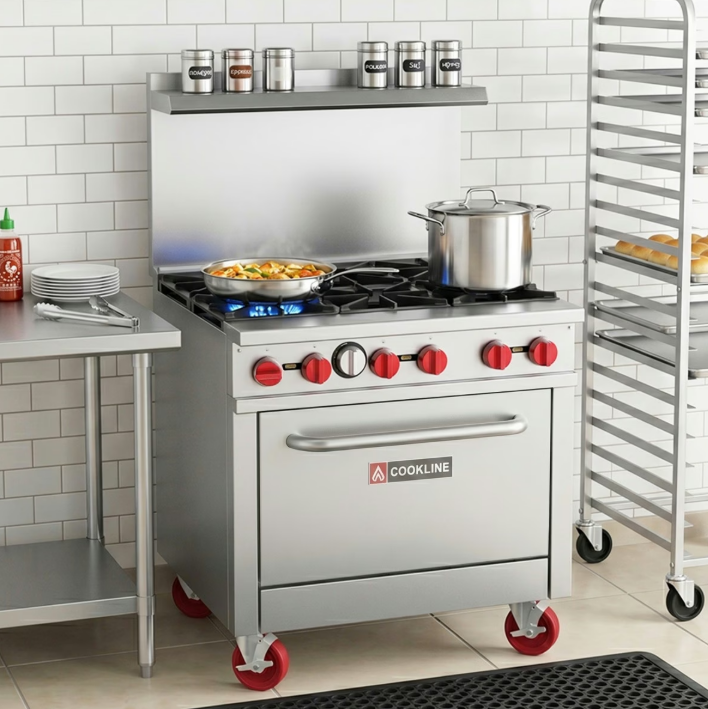
New York City has a restaurant scene unlike any other. Every neighborhood brings its own personality, every block has competition, and every customer expects a memorable meal. Success comes from far more than a great menu. Careful planning, smart equipment choices, and realistic budgeting all shape the road ahead. If you're ready to build your dream business, check out these things you must know before starting a restaurant in NYC.
#1 Find a Concept That Fits the Neighborhood
A great restaurant concept feels natural in its location. A fast-casual lunch spot may thrive near office buildings, yet the same idea could struggle in a residential neighborhood. Take time to study nearby businesses, local demographics, and customer habits before signing a lease.
Visit the area at different times of day. Lunch crowds, evening foot traffic, and weekend activity all paint a clearer picture than one quick visit. Local competition also tells a story. You don't need to avoid busy restaurant districts, but your business should offer something customers can't find next door. Your menu, décor, pricing, and service style should support one clear vision. Customers appreciate restaurants that know exactly what they want to be.
#2 Understand NYC Permits and Regulations
New York City has strict rules for restaurants, and every owner should become familiar with them before opening day. Licenses, permits, inspections, and health requirements all take time. Waiting until construction nears completion can create delays that push your grand opening farther down the calendar. Many owners work with architects, contractors, or consultants who understand local regulations. Their experience can prevent expensive setbacks and paperwork problems.
Health department standards also deserve close attention. Staff training, food storage, sanitation, and equipment placement all play a role during inspections. Good habits from day one create a smoother path later.
#3 Build a Realistic Budget
Opening costs in New York City add up quickly. Rent, renovations, permits, utilities, payroll, insurance, furniture, and equipment all compete for your investment. A detailed budget gives you a much better chance of staying on track.
Leave room for unexpected expenses. Construction projects rarely follow a perfect schedule, and supply costs can change without notice. Financial flexibility helps reduce stress when surprises appear. Equipment deserves careful thought as well. Lower-priced products may seem attractive at first, but dependable commercial equipment usually provides greater value over time through durability and performance.
#4 Choose Equipment That Supports Your Menu
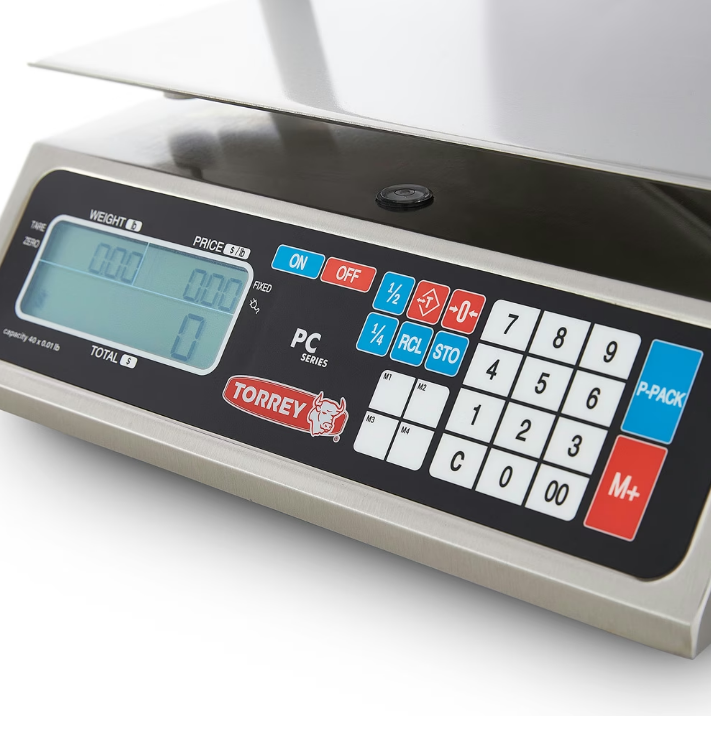
You can find a wide assortment of great commercial kitchen equipment online right now. So, how do you decide the best options for your business? Your menu determines the equipment your kitchen needs. A bakery has very different demands than a steakhouse, deli, or café. Every purchase should support daily production without wasting valuable kitchen space.
Think about workflow before placing equipment orders. Employees should move comfortably between prep stations, cooking equipment, refrigeration, and dishwashing areas. A thoughtful layout helps service move at a steady pace during busy hours.
Reliable commercial equipment also helps reduce downtime. Kitchen interruptions affect customer service, food quality, and revenue. Working with an experienced restaurant equipment supplier can help you select products that fit your operation instead of paying for features you'll never use.
#5 Plan Your Kitchen Layout Carefully
Kitchen space comes at a premium in New York City. Every square foot should support productivity. Crowded workstations create frustration for employees and slow food preparation during busy service.
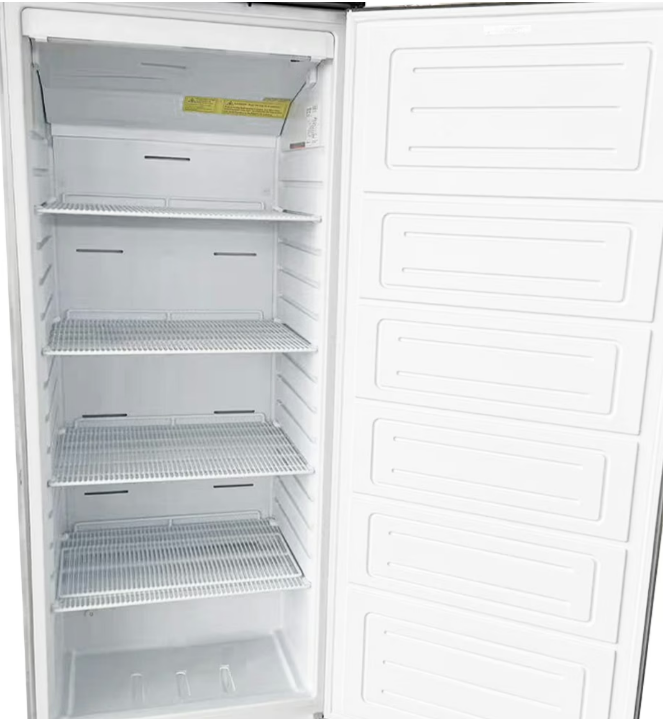
Start with the path food follows through the kitchen. Deliveries enter storage, ingredients move into prep areas, meals reach cooking stations, and finished plates head toward the dining room. A logical flow saves time throughout every shift. Storage deserves equal attention. Shelving, refrigeration, freezers, and dry storage all need enough capacity to support your expected volume without creating clutter.
#6 Hire the Right Team Early
One of the best things to know before starting a restaurant in NYC is the power of a well-trained staff. Employees shape the guest experience every day. Hiring early allows time for training before customers arrive. Staff members who understand your standards create more consistent service from the first day of business.
Training should cover far more than recipes. Customer service, sanitation, communication, and teamwork all deserve attention. A confident team handles busy shifts far better than one still learning basic procedures. Good leadership also creates stronger employee retention. Clear expectations and respectful communication encourage people to stay longer, reducing turnover and training costs.
#7 Expect Competition at Every Level
New York City's restaurant industry attracts talented chefs, creative entrepreneurs, and loyal diners. Competition exists across every cuisine and every price point. That reality shouldn't discourage new owners. It should encourage thoughtful preparation.
Strong branding helps restaurants stand apart. Your logo, website, social media presence, and customer experience should all support the same message. Consistency matters just as much. Guests return because they know what to expect every visit. Great food paired with dependable service builds trust over time.
#8 Market Your Restaurant Before Opening Day
Promotion shouldn't wait until your doors open. Build excitement well before launch through social media, local partnerships, and community events. Early visibility creates curiosity and helps attract your first customers.
Professional photography also adds value. High-quality food photos, restaurant images, and behind-the-scenes content give potential guests a reason to follow your progress. Don’t overlook your online listings, either. Accurate business information across Google and review platforms helps customers find your restaurant without confusion.
#9 Prepare for Long Days
Restaurant ownership requires patience, flexibility, and persistence. Long hours become part of daily life, especially during the first year. Unexpected repairs, staffing challenges, supplier delays, and busy weekends all come with the territory.
A realistic mindset makes those moments easier to handle. Success rarely arrives overnight. Restaurants that continue to improve little by little usually build stronger reputations over time. Celebrate progress along the way. Every returning customer, positive review, and successful service brings your business another step forward.
Every successful restaurant starts with thoughtful planning long before the first customer walks through the door. A strong concept, realistic budget, dependable equipment, skilled employees, and careful preparation all work together to support long-term growth. New York City presents plenty of challenges, but it also offers incredible opportunities for owners ready to put in the work. Get your strategy together and take the next step toward opening your restaurant with confidence.