
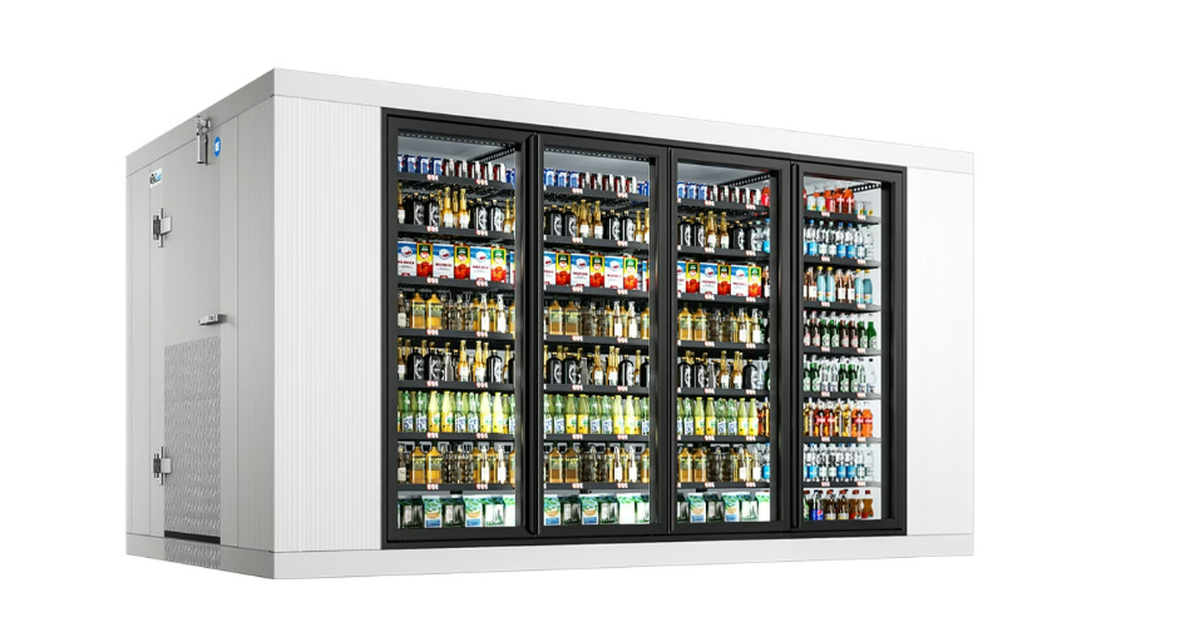
Restaurant food storage leaves very little room for error. A few degrees above the proper range can shorten shelf life, affect food quality, and create health code concerns. Our walk-in cooler temperature guide for restaurants gives business owners and kitchen managers a practical reference for daily operation, so every shift starts with confidence. Refer to the guide below to ensure your cooler is safe and functional for daily use.
Why Temperature Control Matters
A walk-in cooler does far more than keep food cold. It slows bacterial growth, helps ingredients stay fresh, and protects the money you've already invested in inventory. Even a small temperature change can affect produce, dairy, seafood, meat, and prepared foods.
Food safety regulations also depend on proper refrigeration. Health inspectors expect restaurants to store refrigerated foods at safe temperatures every day. A cooler that drifts outside the accepted range can lead to product loss, failed inspections, or costly waste.
Beyond safety, stable temperatures help maintain food quality. The right cooler ensures crisp vegetables stay fresh, dairy products hold their texture, and proteins retain their flavor. Customers notice that consistency, even if they never see the walk-in itself.
The Ideal Walk-In Cooler Temperature
Most commercial walk-in coolers perform best between 35°F and 38°F. This range keeps food safely below the FDA recommendation of 40°F without pushing products close to freezing. Many operators set their thermostat around 37°F. That setting gives a comfortable buffer if employees open the door several times during busy service.
A few degrees of fluctuation throughout the day remains normal as long as the cooler returns to its target temperature quickly. Temperatures below 32°F create another problem. Fresh produce, beverages, sauces, and dairy products may freeze, leading to texture changes and unnecessary product loss.
Foods That Benefit From Proper Refrigeration
Having a walk-in cooler temperature guide for restaurants is important because every item inside the cooler reacts differently to cold storage. A consistent temperature helps each product last longer without sacrificing quality.
Common refrigerated items include:
- Fresh produce
- Raw meat
- Poultry
- Seafood
- Dairy products
- Eggs
- Prepared sauces
- Cooked foods
- Desserts
- Beverages
Each product also has its own shelf life. Proper rotation and labeling work alongside temperature control to reduce waste throughout the kitchen.
Door Openings Add Up
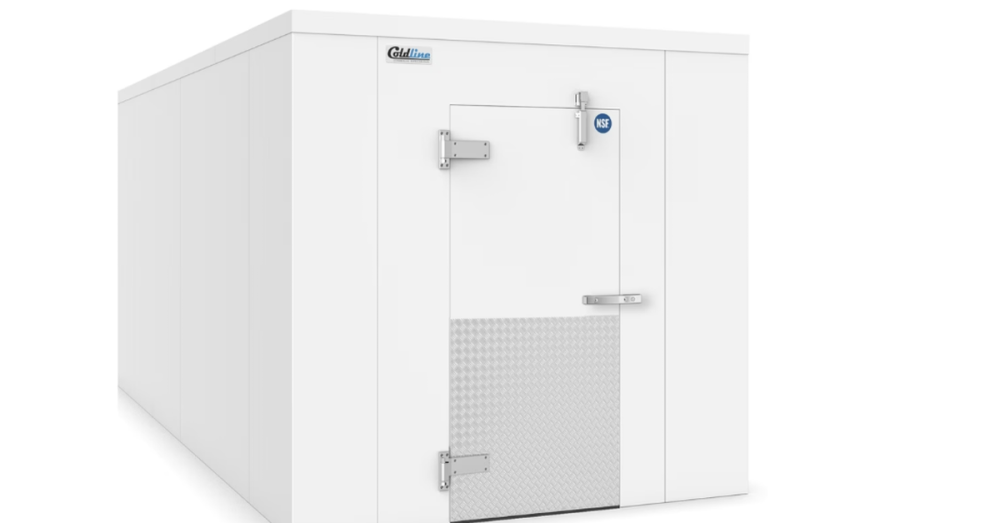
Even the best walk-in cooler cannot hold its target temperature if the door stays open for long periods. Every opening allows warm kitchen air inside. The refrigeration system then works harder until the interior returns to normal. During lunch or dinner rushes, this cycle repeats dozens of times. Staff members can reduce that strain through good habits.
A few simple practices help, such as closing the door immediately after use, and keeping aisles organized. Don’t forget to store products in assigned locations for easy tracking, which makes it easy to get in and get out quick. Small habits like these reduce compressor workload and help maintain a more stable environment.
Don't Trust the Thermostat Alone
The thermostat display gives useful information, but it shouldn't serve as the only reference point. Independent thermometers placed inside different areas of the cooler provide a clearer picture. Temperatures near the door may differ from those in the rear. Upper shelves may also read differently than lower shelves. Multiple readings help identify hot spots before they become larger problems.
Many restaurants record temperatures at least twice each day. A written log also provides documentation during health inspections. Digital monitoring systems add another layer of protection. Some models send alerts if temperatures move outside the desired range, allowing staff to respond before food quality suffers.
Common Causes of Temperature Problems
Temperature swings rarely appear without a reason. Most problems develop gradually, giving operators time to correct them before major repairs become necessary. Dirty condenser coils rank among the most common causes. Dust and grease reduce airflow, forcing the refrigeration system to work harder.
Other common issues include:
- Worn door gaskets
- Blocked evaporator fans
- Overstocked shelves
- Low refrigerant
- Faulty temperature sensors
- Damaged door closers
Routine maintenance helps catch these issues before they affect daily operation.
Organize the Cooler for Better Airflow
A crowded walk-in cooler creates more than storage headaches. Air cannot circulate properly when boxes sit directly against walls or block fan outlets. Leave space between products and shelving whenever possible. Air needs room to travel throughout the cooler so every section stays close to the target temperature.
Product placement also matters beyond airflow purposes. Raw meat belongs beneath ready-to-eat foods to reduce cross-contamination. Heavy boxes should stay on lower shelves, while lighter products fit well on upper racks. A clean, organized cooler also allows employees to locate ingredients quickly. Less time with the door open means more stable temperatures throughout the day.
Routine Maintenance Pays Off
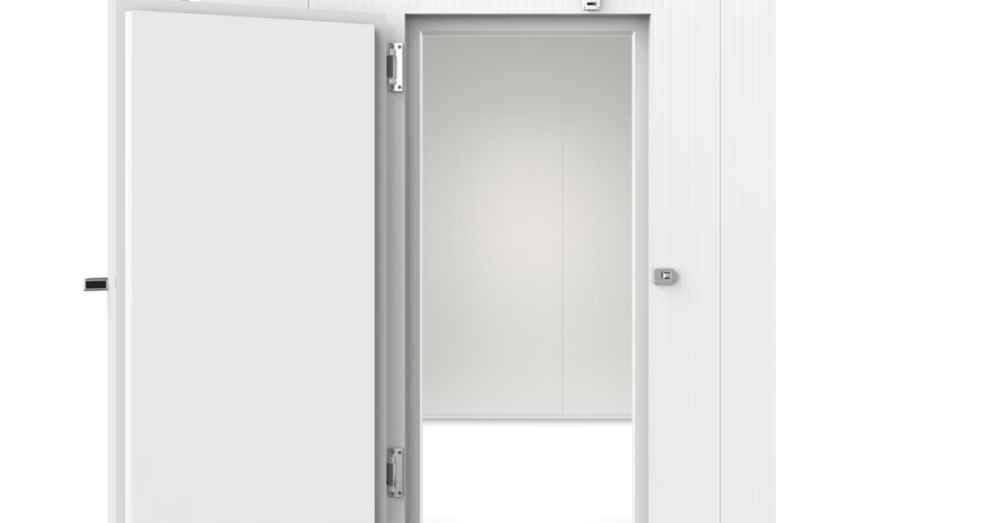
Walk-in coolers operate around the clock. Regular maintenance helps them perform at their best and extends equipment life.
Basic maintenance includes:
- Clean condenser coils.
- Inspect door gaskets.
- Check drain lines.
- Verify thermostat accuracy.
- Listen for unusual compressor noise.
- Remove ice buildup.
- Clean interior surfaces.
Professional service visits add another layer of protection. A trained technician can inspect refrigerant levels, electrical components, and system performance before small issues become expensive repairs.
How Humidity Affects Walk-In Cooler Performance
Temperature gets most of the attention, but humidity also plays a part in food storage. Too much moisture can shorten the life of fresh produce, encourage mold, and leave condensation on shelves or packaging. Air that becomes too dry can leave leafy greens and herbs wilted long before their expected shelf life ends.
A properly maintained walk-in cooler balances both temperature and airflow. Door seals, evaporator fans, and routine maintenance all contribute to a stable environment. If staff notice excessive moisture or frost, the refrigeration system deserves a closer look before the problem grows.
Prepare for Power Outages and Equipment Failures
Every restaurant should have a plan for refrigeration emergencies. Power outages, mechanical failures, or damaged components can raise cooler temperatures much faster than many operators expect. A response plan helps protect inventory and limits unnecessary losses.
Keep walk-in cooler doors closed as much as possible during an outage to trap cold air inside. Staff should monitor temperatures with an independent thermometer instead of relying only on the control panel. If the outage lasts longer than expected, move high-value or temperature-sensitive products into another approved refrigeration unit whenever possible. Quick action gives your inventory the best chance of staying within safe food storage limits.
Final Thoughts
A dependable walk-in cooler protects far more than food. It supports food safety, preserves product quality, reduces waste, and helps restaurants operate smoothly every day. Stable temperatures, organized storage, routine maintenance, and good employee habits all contribute to reliable performance throughout the year.
If your current refrigeration system struggles to maintain consistent temperatures or you're planning a new kitchen, Kitchenall offers commercial walk-in coolers and refrigeration equipment at competitive prices right now. Start your search now to find equipment that fits your kitchen, budget, and daily workload.