
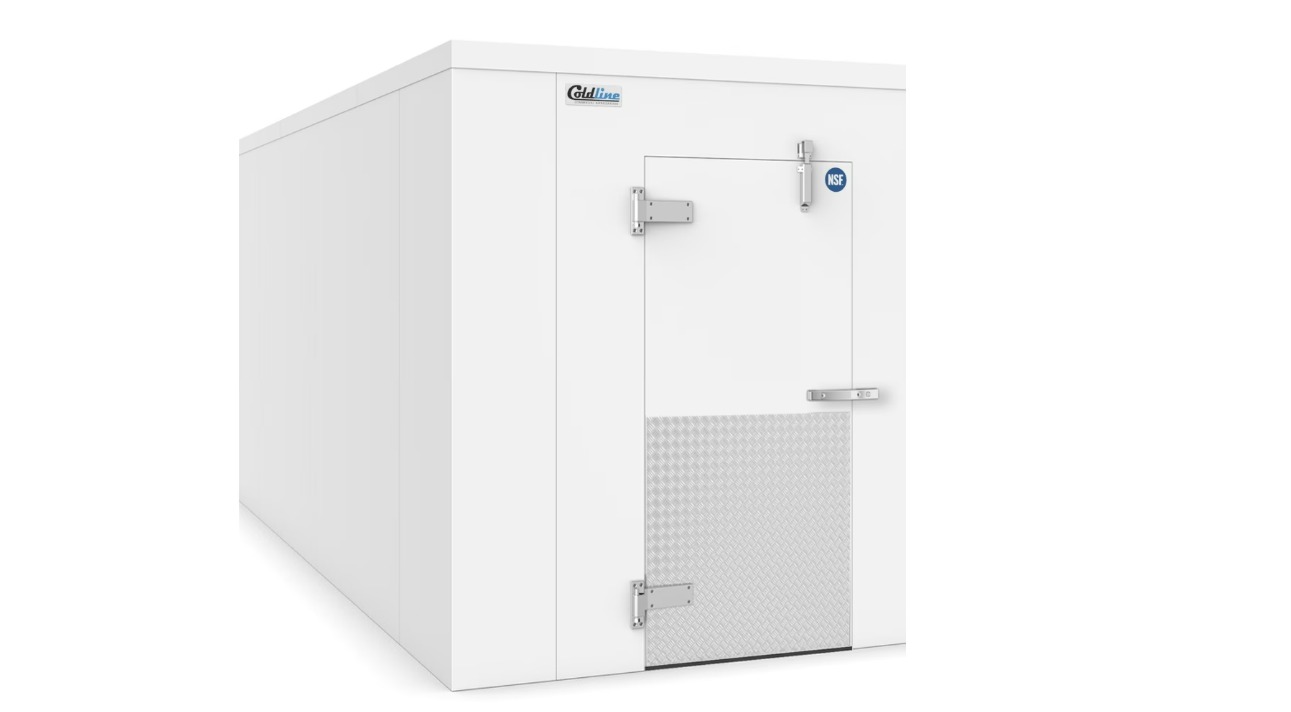
A walk-in cooler sits at the center of daily food storage for many restaurants, cafés, delis, and commercial kitchens. When the temperature starts to climb, food quality and the pace of service can all come under pressure. Is your walk-in cooler not cooling? Take a closer look at these common causes explained so you can always recognize likely trouble spots before a minor fault gets worse.
1. Dirty Condenser Coils
Condenser coils help the refrigeration system release heat. Dust, grease, lint, and other debris can collect across the coil surface, especially in busy restaurant environments. Once that layer becomes thick enough, heat can’t escape as effectively, so the refrigeration system has to work harder.
A visual inspection can reveal a heavy buildup around the condenser. Kitchens with airborne grease may see debris accumulate faster than less active spaces. Regular coil care can reduce strain on the system and help the cooler maintain a steadier temperature.
2. Restricted Airflow Around the Condenser
Even a clean condenser needs enough open space around it to release heat. Boxes, supplies, equipment, or other objects placed too close to the refrigeration components can restrict airflow. Poor ventilation can then cause temperatures and system pressure to rise.
Take a look at the area around the condensing unit and remove unnecessary clutter. Manufacturer clearance requirements should guide equipment placement. A little extra room around the unit can also give technicians better access during service visits.
3. Evaporator Coil Problems
Inside the cooler, the evaporator coil absorbs heat from the refrigerated space. Frost or ice across that coil can interfere with heat transfer and block airflow. As a result, the cooler may run for long periods but struggle to reach its set temperature.
Ice buildup can point to several possible faults, including a defrost system problem, airflow restriction, or another refrigeration issue. Avoid chipping ice away with sharp tools because that can damage the coil. A technician can identify the source instead of addressing only the visible symptoms.
4. A Faulty Evaporator Fan
Cold air needs to circulate throughout the walk-in box. The evaporator fan distributes that air, so a failed motor or damaged fan can create warm areas even when other refrigeration components still operate. Listen for unusual noises near the evaporator assembly and check for noticeable changes in airflow. A fan that stops, runs intermittently, or produces abnormal sounds deserves attention. Fan repairs involve electrical and mechanical components, so professional service is the safer route.
5. Door Gasket Damage
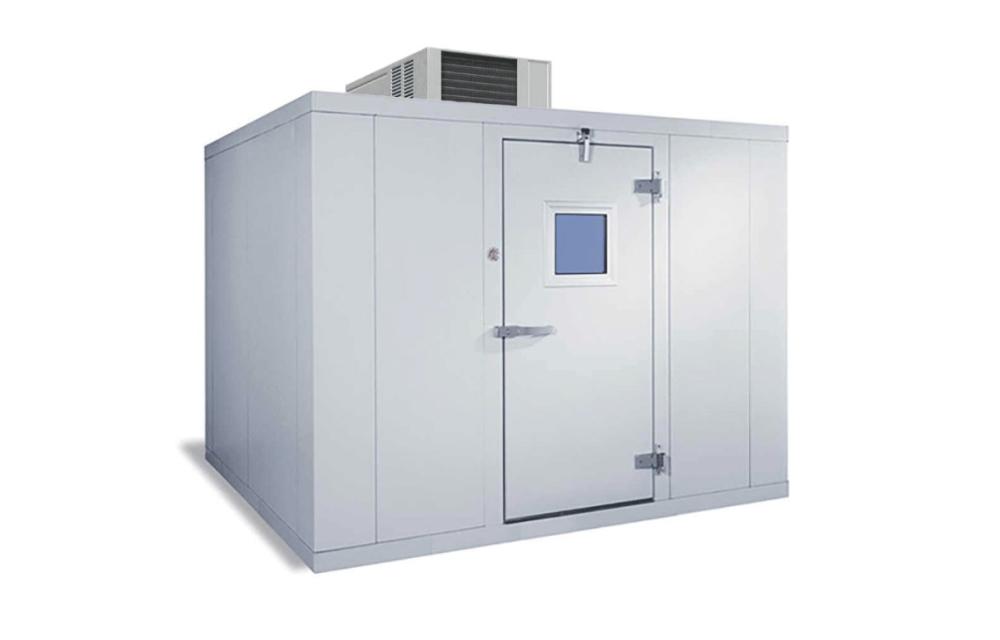
Not every temperature problem starts with the refrigeration system. A torn, loose, or worn door gasket allows warm air to enter the cooler. That extra heat adds to the system's workload and may contribute to frost near the door or evaporator. Inspect the gasket for cracks, gaps, hardened sections, and areas that no longer sit flush against the frame. Food debris can also prevent a tight seal. Clean the gasket and surrounding surface, then arrange replacement if the material has deteriorated.
6. The Door Doesn't Close Properly
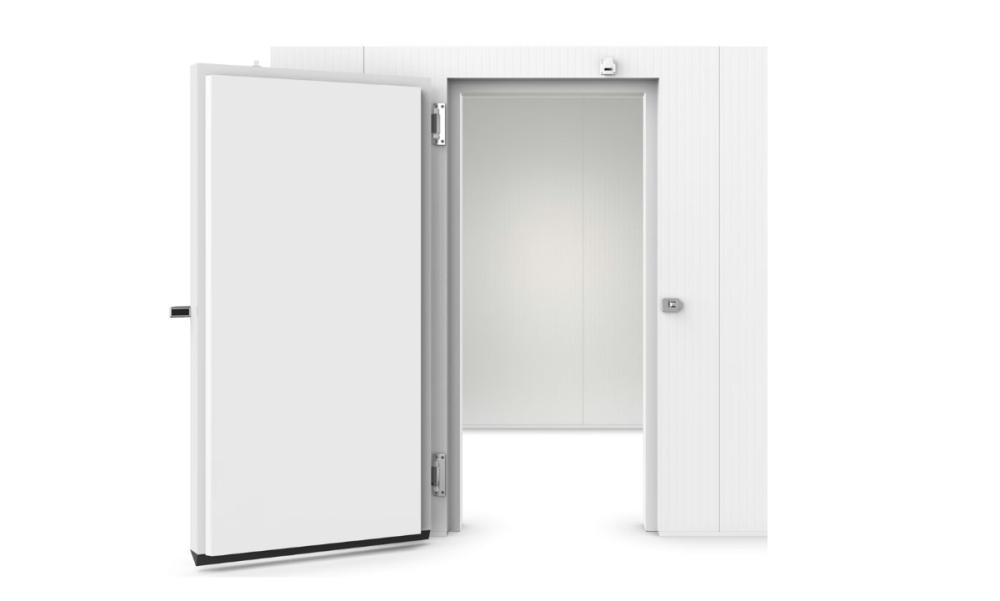
A good gasket can't do much if the walk-in door stays partially open. Misaligned hinges, damaged hardware, obstructions, or a weak door closer can leave a small gap that lets warm kitchen air enter throughout the day.
Pay attention to how the door behaves after staff members release it. It should close as intended without extra force. Staff habits matter too, since frequent or prolonged door openings place additional demand on the refrigeration system.
7. Low Refrigerant or a Refrigerant Leak
Refrigerant allows the system to transfer heat from inside the cooler to the surrounding environment. If the system loses refrigerant through a leak, its refrigeration capacity can drop. The cooler may run for extended periods without reaching the desired temperature.
Refrigerant issues require professional diagnosis. Adding refrigerant without locating the source of a leak doesn't address the underlying problem. A qualified refrigeration technician can test the system, locate faults, and complete repairs according to applicable requirements.
8. Compressor Trouble
When your walk-in cooler is not cooling, a common cause includes compressor issues. The compressor is a major part of the refrigeration circuit. If it starts to fail, the walk-in cooler may have trouble maintaining temperature or may stop refrigerating altogether. Operators might also notice unusual noises, repeated starts and stops, or a unit that runs without adequate temperature reduction.
Compressor symptoms can overlap with faults elsewhere in the system, so diagnosis matters before replacement. A technician can evaluate electrical components, refrigerant conditions, pressures, and compressor operation. That assessment can also help determine if repair remains practical for an older unit.
9. Too Much Product or Poor Product Placement
A packed cooler can have trouble distributing cold air if boxes and containers block evaporator airflow. Products stacked directly against air outlets can create uneven temperatures across the box. Some sections may remain cold, but other areas can become noticeably warmer.
Leave space around air paths and follow the equipment manufacturer's recommendations for product placement. Organized storage also gives staff faster access to ingredients, so doors don't need to stay open as long. Good shelf habits support both refrigeration performance and smoother kitchen routines.
10. Hot Product Has Raised the Cooler Temperature
Placing a large amount of warm product into a walk-in cooler adds a substantial heat load. The refrigeration system then needs time to pull that heat from the food and surrounding air. Operators may notice a temporary temperature rise after a large delivery or prep cycle.
The cooler should gradually return to its normal operating range. If the temperature remains elevated far longer than expected, another fault may be present. Record the temperature and note what happened before the increase so a technician has useful context.
When It's Time to Call a Refrigeration Technician
Some checks, such as inspecting door seals, product placement, or condenser surroundings, are practical for restaurant staff. Refrigerant and control-system problems require the proper training and tools. Prompt service can also limit unnecessary stress on other refrigeration components.
Keep a record of temperature changes, unusual noises, frost, alarms, and recent service work. Those details give a technician a clearer picture of the problem. They can also help your operation spot repeat faults across the life of the equipment.
A warm walk-in doesn't automatically mean the entire cooler has reached the end of its service life. A careful inspection followed by professional diagnosis gives you a better basis for the repair-or-replace decision. Check out the walk-in coolers for sale online and try these techniques above to keep it consistently crisp and cool inside.