
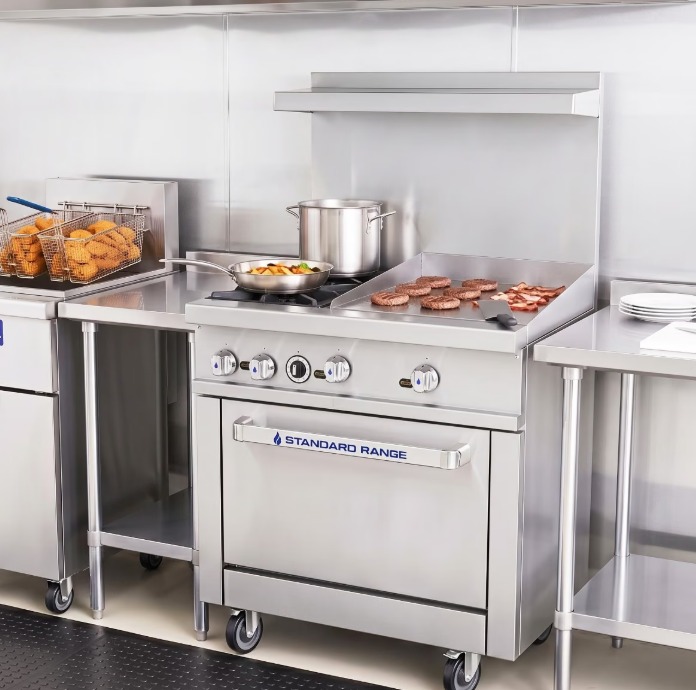
A commercial gas range can handle an impressive workload, but even reliable equipment can develop problems after months of heavy use. Issues like a burner that refuses to ignite, an uneven flame, or an oven that struggles to maintain its temperature can disrupt an otherwise productive kitchen. Fortunately, some problems have straightforward solutions, provided you know where to look. Learning how to troubleshoot your gas range issues like a pro can help you recognize minor faults before they become expensive repairs. Explore these practical troubleshooting tips so you can take proper care of your kitchen every day.
Start With Basic Gas Range Safety Checks
Before you inspect a malfunction, take a moment to assess the equipment's condition. Gas ranges combine fuel, heat, and electrical components, so careless repairs can create serious hazards. A methodical approach protects your staff and helps you identify problems without unnecessary risks.
If you smell gas, don't attempt to ignite the range or operate electrical switches. Leave the area, keep others away, and call the gas utility or emergency services from a safe area. Only return after qualified personnel declare the area safe.
For routine inspections without signs of a leak, turn off the appliance and allow hot surfaces to cool. Consult the manufacturer's manual before you remove accessible burner components. Leave gas connections, valves, regulators, and internal repairs to qualified technicians.
Troubleshoot Burners That Won't Ignite
A burner that refuses to light can create delays during your busiest service periods. Fortunately, the problem doesn't always indicate a major mechanical failure. Start with the symptoms and narrow down the possible causes.
Check the Ignition System
For ranges with electronic ignition, listen for the familiar click when you activate the igniter. If there's no click, an electrical supply problem, faulty switch, or damaged ignition component could be responsible. Check accessible power connections and circuit breakers, provided there's no suspected gas leak.
If the igniter clicks but the burner doesn't light, residue or moisture around the burner may interfere with ignition. Allow the equipment to cool before you inspect removable components. Follow the manufacturer's instructions for safe maintenance, and don't repeatedly attempt ignition if gas may accumulate.
Inspect Burner Caps and Ports
Food debris, grease, and spilled sauces can obstruct burner ports over time. For example, a busy restaurant's sauté station might accumulate residue after dozens of meals. These deposits can interfere with the flame and prevent proper ignition.
Once the burner has cooled, inspect its removable components for visible buildup. Use the manufacturer's recommended tools and procedures to remove debris without damage to the ports. Reassemble each component correctly before you test the burner according to the appliance manual.
Identify Uneven or Unusual Burner Flames
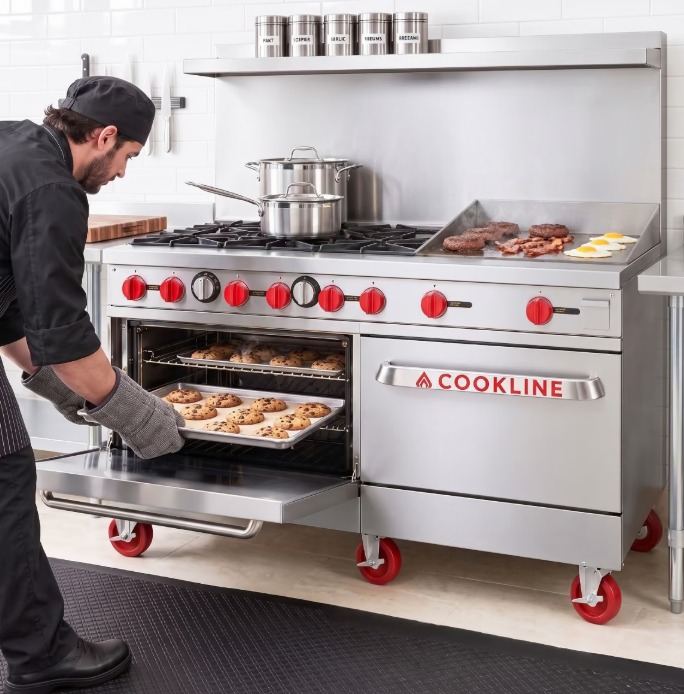
A healthy gas burner generally produces a steady blue flame, although flame characteristics vary by equipment design. If you notice excessive yellow flames, irregular flame patterns, or soot deposits, your range may have a combustion problem. These symptoms deserve attention because improper combustion can produce dangerous carbon monoxide.
Look for Visible Obstructions
Grease deposits and misplaced burner components can interfere with the flame pattern. A removable burner cap that sits incorrectly may cause one side of the burner to burn differently from the other. Inspect accessible parts after the equipment has cooled and clean them according to manufacturer guidance.
If the flame remains irregular after routine maintenance, stop using the affected burner. Don't adjust air shutters, gas pressure, or internal fuel components yourself. A qualified service technician can evaluate the combustion system and identify the actual cause.
Address an Oven That Won't Heat Properly
An unreliable oven can turn an otherwise smooth dinner service into a frustrating experience. Bread may emerge underbaked, roasted vegetables may require extra time, and menu consistency can suffer. Temperature problems can stem from several components, so accurate diagnosis matters.
Examine Temperature Control Problems
An oven that heats unevenly or fails to reach its selected temperature may have a defective thermostat or temperature sensor. In other cases, the ignition system or burner assembly may require professional attention. Record the symptoms and compare actual temperatures with the manufacturer's specifications.
An oven-safe thermometer can help reveal discrepancies between the selected temperature and the oven's actual performance. Take measurements under consistent conditions and account for normal temperature fluctuations. Share your observations with a technician rather than attempt internal thermostat adjustments.
Check the Oven Door Seal
A damaged door gasket can allow heat to escape and affect oven performance. Look for cracks, loose sections, or visible deterioration around the seal after the appliance has cooled. A door that doesn't close properly may also contribute to inconsistent temperatures.
Replace damaged components with manufacturer-approved parts through the appropriate service procedure. An intact gasket helps the oven retain heat and operate as designed. If the door remains misaligned, arrange professional service before the problem becomes more disruptive.
Recognize Pilot Light Problems
Some commercial gas ranges rely on standing pilot lights instead of electronic ignition systems. These small flames provide a continuous ignition source for the main burners. When a pilot fails, the affected burner may become unavailable until the problem receives proper attention.
A pilot that repeatedly goes out may indicate contamination, a defective safety component, or a gas supply issue. Don't bypass safety devices or attempt improvised repairs to restore operation. Follow the manufacturer's approved instructions, and contact a qualified technician if the pilot won't remain lit.
Pay attention to recurring failures rather than treat each incident as an isolated inconvenience. A pilot that needs constant attention deserves a thorough professional inspection. Early diagnosis can prevent further interruptions during busy kitchen shifts.
Troubleshoot Gas Range Issues Today
Reliable kitchen equipment supports consistent meals, efficient service, and a more productive staff. Once you understand the common causes of ignition failures and temperature problems, you'll have a better idea of what deserves routine maintenance and what requires expert attention. Professional repairs remain the safest choice for faults that involve gas controls, combustion, or internal components.
Use these tips to troubleshoot your gas range issues like a pro and establish a practical maintenance routine for your kitchen. If your current range no longer delivers the performance your restaurant requires, explore Kitchenall's selection of commercial gas stoves.