
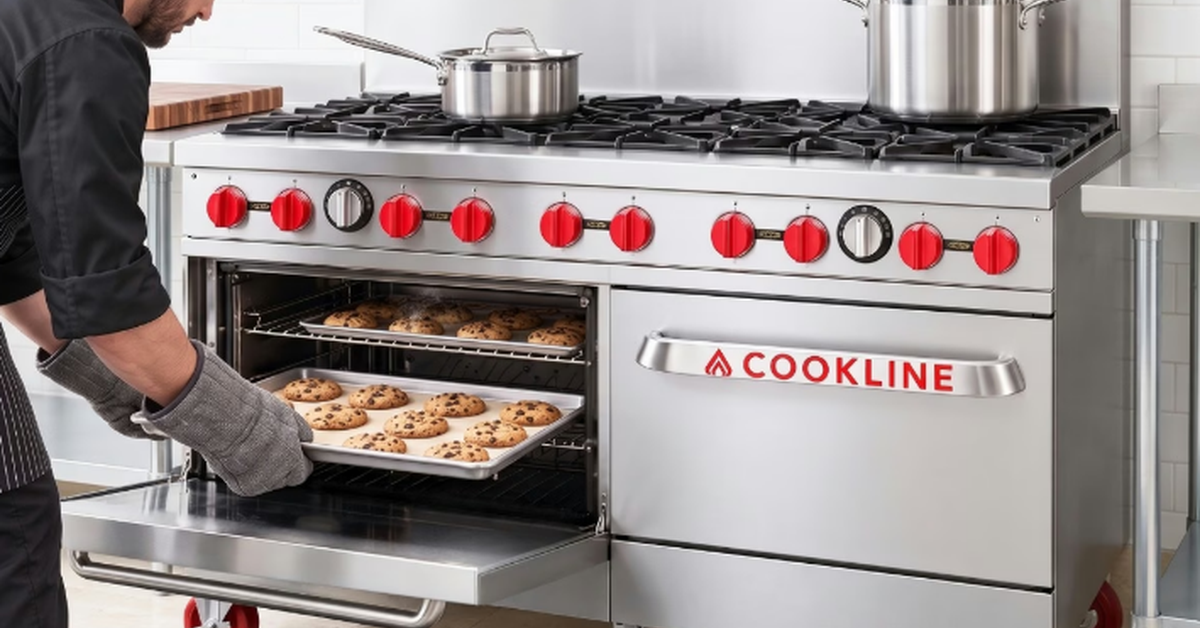
A commercial range has a major role in the daily rhythm of a restaurant kitchen. Size deserves just as much attention as burner count, oven configuration, or fuel type. A range that takes up too much line space can leave the kitchen cramped, and a model that's too small can limit what the crew can produce during a rush. Find the perfect fit using this complete guide comparing range sizes.
Why Commercial Range Size Deserves a Closer Look
Range width affects far more than the footprint of one appliance. It can dictate how much room remains for fryers, charbroilers, prep tables, refrigeration, and other equipment along the cook line. Every extra inch has value in a compact kitchen.
Size also has a direct relationship with capacity. Wider ranges can accommodate more burners, griddles, charbroilers, ovens, or combinations of these features. A high-volume restaurant may benefit from that flexibility, but a café with a short hot-food menu may have little use for a large model. The goal is to match the range to the actual demands of the operation. Bigger doesn't automatically mean better.
24-Inch Commercial Ranges: Compact and Focused
A 24-inch range suits kitchens where floor space comes at a premium. Small cafés, concession operations, foodservice counters, and restaurants with limited hot-food production may find this size practical. These ranges usually provide a more focused cooktop than larger restaurant ranges. Depending on the model, the top may feature open burners, a griddle, or another compact configuration. The narrow footprint leaves valuable room for adjacent equipment.
A 24-inch unit can also serve as a secondary range in a larger kitchen. For example, a restaurant could dedicate the unit to sauces, stocks, or a small section of the menu instead of crowding the primary cook line. That extra station can add flexibility without consuming several feet of space.
36-Inch Ranges: A Versatile Middle Ground
The 36-inch commercial range sits in a comfortable middle ground for many restaurants. It provides more cooktop capacity than a compact unit but doesn't dominate the line like a wider range can. A typical restaurant can use this size for several pans and pots at once, based on the cooktop configuration. Some models pair open burners with an oven base, so the appliance handles both stovetop and oven duties within one footprint.
This size can work well for neighborhood restaurants, diners, cafés, and other operations with moderate hot-food volume. A 36-inch range can also complement separate fryers, griddles, or charbroilers elsewhere on the line. For kitchens where every foot needs a clear purpose, that balance has plenty of appeal.
48-Inch Commercial Ranges: More Room for a Diverse Menu
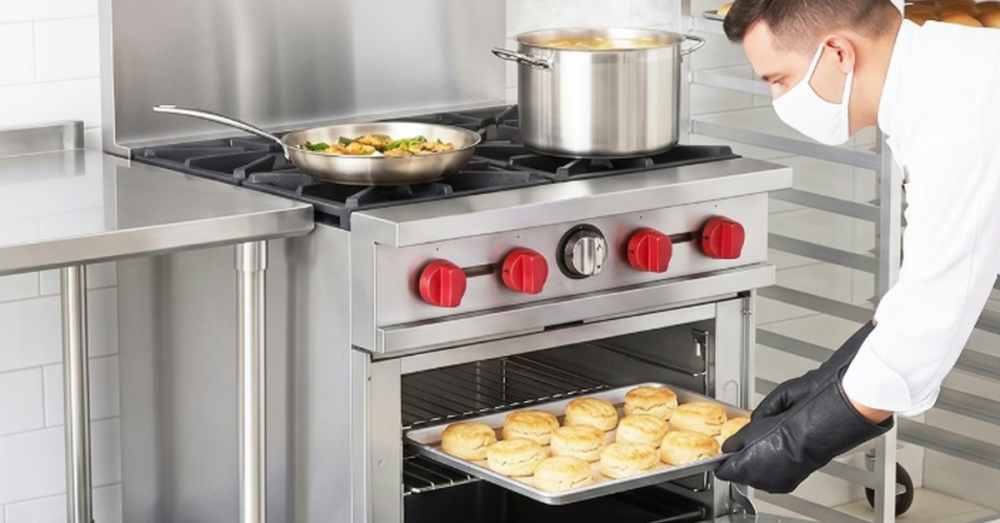
Once a restaurant moves into the 48-inch category, the cook line gains considerably more flexibility. The extra width can support a broader top configuration and gives chefs more space to prepare several menu items at the same time. A restaurant could use open burners across the top or select a combination model with burners plus a griddle or charbroiler. Exact options depend on the manufacturer and model.
This width makes sense for restaurants with menus that rely on several cooking methods. A breakfast-heavy operation, for example, may want burners for saucepans alongside a flat-top section for eggs, pancakes, and other griddle items. Installing a 48-inch range also gives the kitchen more capacity without the footprint of the largest restaurant ranges.
60-Inch Ranges: Built for a Busy Cook Line
A 60-inch commercial range moves firmly into high-capacity territory. This size provides enough surface area for restaurants that need several cooktop functions within one station. Configurations can vary considerably. One model may place multiple open burners across the top, and another may divide the surface among burners, a griddle, or a charbroiler. Oven bases can add another layer of production below.
The appeal comes from the amount of work one appliance can support. Instead of several smaller pieces of equipment, a restaurant may consolidate multiple functions into one range. That approach can create a more cohesive cook line, provided the kitchen has enough room for the larger footprint.
72-Inch Commercial Ranges: Maximum Line Capacity
At 72 inches wide, a commercial range becomes a substantial part of the kitchen line. These models suit high-volume restaurants and other operations where several cooks may need access to the range during the same service period. The broad cooktop can accommodate extensive burner layouts or multiple surface types. Such flexibility can help restaurants with large menus, multiple stations, or heavy stovetop production.
Space needs careful consideration here. Six feet of range leaves less room for refrigeration, fryers, worktables, and specialty appliances, so the entire line layout should support the choice. For the right operation, though, a 72-inch model can put a large amount of cooking capacity in one centralized area.
Match Range Size to Your Menu
Your menu provides one of the clearest guides to the amount of range capacity you need. A pasta restaurant may rely heavily on open burners, whereas a breakfast restaurant could devote more cooktop space to a griddle. Think about peak service rather than quiet periods. A range may feel spacious during prep, but become crowded once several tickets reach the line at once. The equipment needs enough usable capacity to support the crew at the busiest part of the day.
Future menu plans deserve consideration, too. If the restaurant expects to add dishes that require more burner or oven capacity, a little extra room may prove useful. At the same time, unused equipment takes up valuable floor space. Aim for a capacity that the kitchen can put to work.
Measure the Entire Cook Line
Finding the perfect fit for your kitchen is easy when you have all the range sizes compared in one spot. Don't select a range from its nominal width alone. Review the manufacturer's complete dimensions and installation specifications for the exact unit under consideration. Map out nearby equipment as part of the same process. Fryers, refrigeration, prep surfaces, hand sinks, and other pieces all compete for room. Staff also need practical access to the equipment throughout service.
Utility placement matters as well. Gas connections, electrical requirements, ventilation, and applicable clearances can influence where a range can go. A few careful measurements before purchase can prevent an expensive layout problem later.
Find the Perfect Fit for Your Kitchen
Commercial ranges can span from compact 24-inch models to expansive 72-inch units, with several practical sizes between those two ends. The right choice depends on your menu, service volume, cooktop needs, oven needs, utilities, and the amount of line space available. A smaller restaurant may get everything it needs from a 24- or 36-inch unit.
On the other hand, a busier operation with a varied menu may prefer the flexibility of a 48-, 60-, or 72-inch range. No single width fits every commercial kitchen. Kitchenall carries commercial cooking equipment for restaurants and commercial kitchens across a wide range of needs. Compare available heavy-duty gas ranges, review each model's specifications, and reach out when you're ready to narrow the options to equipment that fits your kitchen and the way your crew works.