
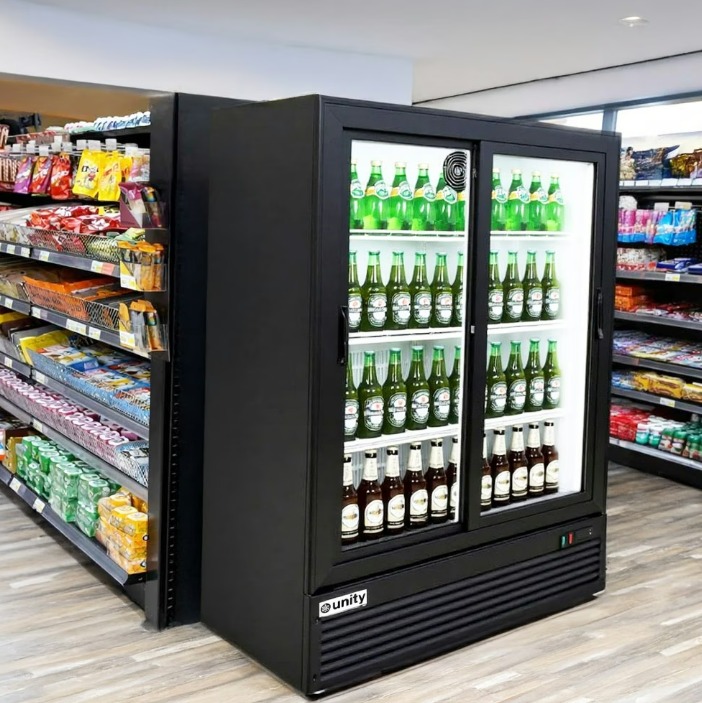
Condensation can turn a clear refrigerated display into a cloudy barrier between customers and the products inside. Beyond its effect on presentation, excess moisture may leave water around door frames, floors, shelves, and nearby surfaces. Preventing condensation in glass door display coolers requires an understanding of humidity, temperature, airflow, and the condition of the cooler itself. Find out what habits will help you maintain an eye-catching display.
Why Condensation Forms on Cooler Glass
Condensation develops after warm, humid air meets a surface cold enough for moisture in that air to turn into water droplets. A refrigerated glass door creates an ideal surface for this reaction under certain conditions. The greater the contrast between room conditions and the glass temperature, the more noticeable the moisture can become.
A busy deli provides a good example. Customers and staff open the cooler doors throughout the day, so humid room air has repeated access to the refrigerated cabinet. On a humid summer afternoon, that contrast can become even more pronounced. Moisture may appear on the glass or around the door frame as a result. Some condensation can occur because of the surrounding environment rather than a defect in the unit. Persistent or excessive moisture, though, deserves attention. The source may relate to room humidity, equipment placement, damaged components, or operating habits.
Keep Humidity Under Control
High indoor humidity gives condensation more moisture to work with. Restaurants can produce plenty of water vapor through dishwashers, hot water, steam, and other kitchen activity. Exterior doors can introduce humid outdoor air as well, especially during warm months.
Your HVAC system plays a major role in room conditions. Proper climate control can reduce excess moisture and create a more stable environment around refrigerated displays. A dehumidifier may also suit spaces with persistent humidity, subject to the needs and layout of the facility.
Operators should pay attention to seasonal patterns, too. A display cooler that stays clear throughout winter but develops fogged doors each summer may point toward environmental humidity. That clue can help staff focus on the room instead of assuming the refrigeration system has failed.
Check Door Gaskets for Gaps or Damage
A glass door depends on its gasket to create a proper seal. Cracks, tears, loose sections, hardened material, or debris can prevent full contact between the door and cabinet. Warm air can then enter the refrigerated space and add extra moisture.
Inspect the gasket along its entire perimeter. Food residue, crumbs, grease, and other debris can interfere with the seal even when the gasket remains intact. Clean the gasket according to the equipment manufacturer's directions and examine it for visible wear.
A quick visual check can become part of routine cooler care. Staff should also watch for doors that don't close evenly or stay slightly open after use. A worn gasket or door alignment problem may require service or a replacement part.
Give the Cooler Enough Airflow
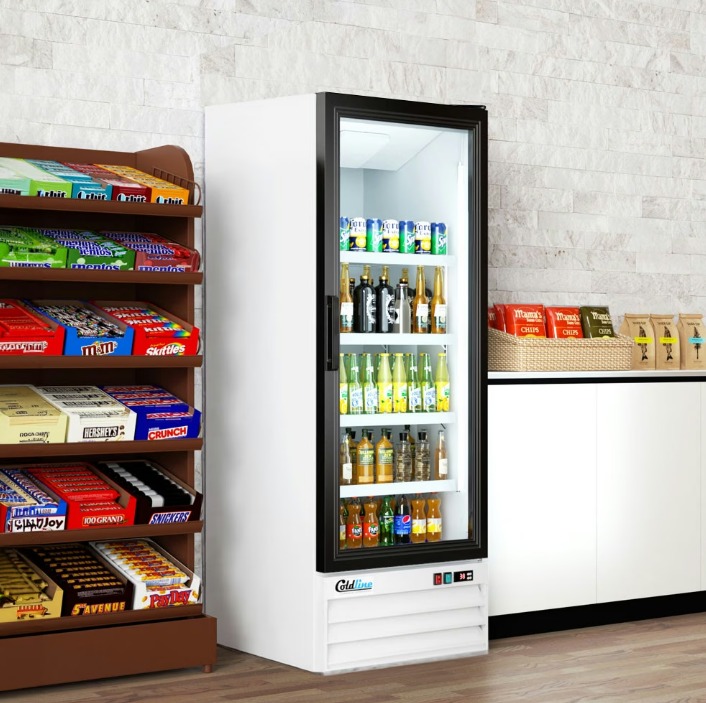
Commercial refrigeration equipment needs adequate ventilation around designated air intake and exhaust areas. Boxes, shelving, trash cans, décor, and other objects can restrict those areas if placed too close. Restricted ventilation may affect equipment performance and contribute to less stable cabinet conditions.
The interior needs proper air circulation as well. Products packed tightly against interior vents can disrupt the distribution of cold air. Follow the manufacturer's load limits and clearance instructions for the specific model.
Product placement also matters for merchandising. An organized case lets customers see merchandise without staff having to rearrange items throughout the day. That can also reduce unnecessary door activity and help cabinet conditions stay more consistent.
Choose the Cooler Location With Care
Location has a major effect on how a glass door display cooler reacts to its environment. A unit beside a steamy prep area, dishwasher, exterior entrance, or another source of humid air can face a tougher job than one in a climate-controlled sales area. Direct exposure to heat can create additional problems. Keep the unit away from ovens, ranges, heat lamps, and other hot equipment unless the manufacturer approves that placement. Sunlight through a large storefront window can also add heat around a display case.
Before installation, review the manufacturer's clearance and ambient-condition requirements. Commercial coolers have specific operating parameters, and those specifications can vary by model. A suitable location gives the equipment a better chance to perform as designed.
Reduce Unnecessary Door Openings
An easy way to start preventing condensation in glass door display coolers is to focus on employee habits. Every door opening allows room air to enter the cabinet. In a busy operation, those short exchanges add up quickly. Staff habits can therefore have a noticeable effect on interior conditions.
Plan restock periods so employees don't have to open the same door repeatedly for individual products. Arrange popular merchandise in easy-to-reach spots, and keep inventory organized so staff can locate items without leaving a door open for an extended period.
Customers will naturally open merchandising coolers, so total control isn't realistic. The goal is to eliminate avoidable door activity. Small operational changes can reduce the amount of warm, humid air that reaches the cabinet.
Inspect Anti-Condensate Features
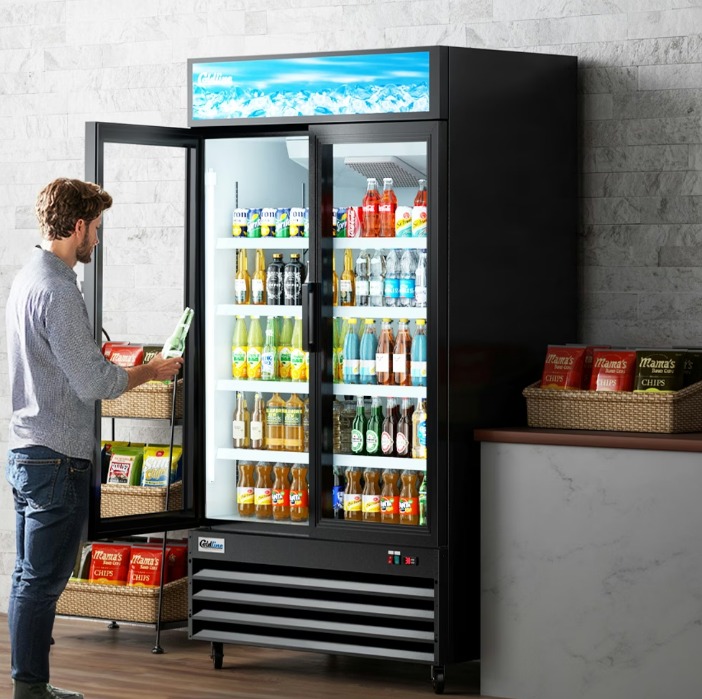
Some commercial glass door coolers use heated glass, door-frame heaters, or other anti-condensate features. Exact designs vary considerably from one manufacturer and model to another. Consult the equipment manual before you assume your cooler has a specific feature.
If a unit has an anti-condensate system and the doors suddenly develop far more moisture than usual, a component may need inspection. Don't attempt electrical repairs without proper qualifications. A commercial refrigeration technician can test the system and identify a failed heater, control, or related component.
This distinction matters because environmental fixes can't correct a failed part. At the same time, a technician shouldn't be the first conclusion every time a humid day creates light fog on the glass. Context helps narrow down the cause.
Know When Condensation Calls for Service
A small amount of temporary fog under humid conditions isn't the same as water that returns every day. Persistent condensation deserves closer inspection, especially after staff have addressed humidity, door habits, cleanliness, and obvious gasket problems.
Other symptoms can provide useful clues. Unusual cabinet temperatures, doors that won't seal, excessive frost, water accumulation, strange noises, or a sudden change in performance can justify professional service. Record what staff observe so a technician has useful context upon arrival.
Avoid a long delay if the cooler can't hold proper temperatures. A clear door has value for merchandising, but reliable refrigeration has a far greater role in the operation. Follow manufacturer guidance and applicable food safety requirements.
Clear glass supports a clean, polished display, but condensation control doesn't require one universal fix. Start with the surrounding humidity, then review door seals, ventilation, product placement, temperature settings, and daily staff habits. Manufacturer instructions should guide equipment-specific care, since designs and anti-condensate features differ across commercial coolers. Equip your shop with a high-quality glass front fridge right now and rely on the techniques above to keep your setup welcoming and rewarding.