
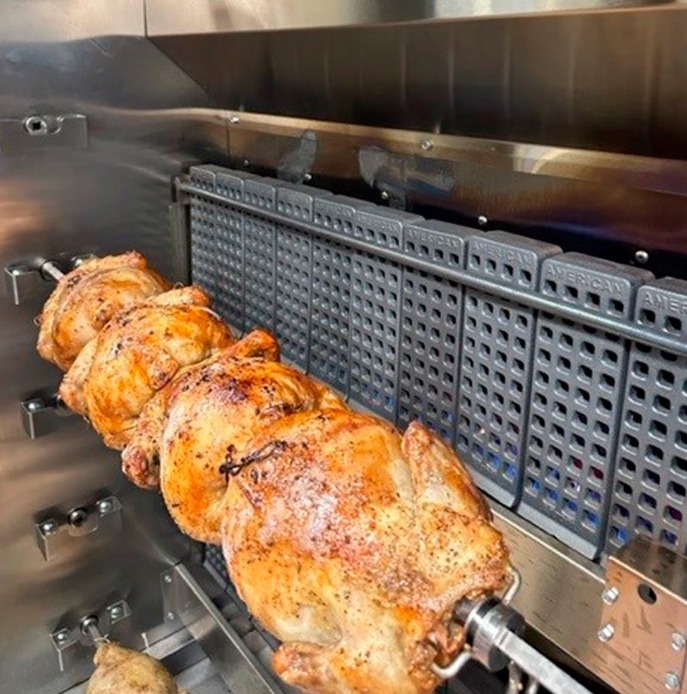
Few dishes capture the appeal of a well-prepared meal quite like rotisserie chicken. The golden skin, tender meat, and rich aroma create an experience that customers appreciate at restaurants and grocery stores. Achieving that ideal result requires more than a quality bird and a reliable rotisserie oven. Temperature control, preparation, and precise cook times all contribute to the finished product.
Our guide to perfect rotisserie chicken timing and temperature explores techniques that help commercial kitchens produce flavorful, consistent results. From oven settings to food safety standards, each detail deserves attention. Explore our walkthrough to find professional solutions for your restaurant's daily production needs.
The Basics of Rotisserie Chicken
Rotisserie ovens use a rotating spit to expose chicken to heat from multiple directions. This steady rotation promotes even heat distribution and allows juices and rendered fat to travel across the bird's surface. The result is beautifully browned skin and tender meat with a distinctive roasted flavor.
Commercial rotisserie equipment comes in several configurations, from compact countertop units to larger ovens with multiple spits. Each model offers different heat sources, capacity limits, and temperature controls. Familiarity with your equipment helps establish reliable procedures that staff can follow throughout service.
Chicken size also influences the final result. A smaller bird generally reaches its target temperature faster than a heavier one. Consistent portion sizes can help restaurants maintain predictable production schedules and uniform presentation.
Finding the Right Rotisserie Chicken Temperature
Temperature selection influences skin texture, moisture retention, and overall cook time. Many rotisserie recipes use oven temperatures between 325°F and 375°F, although commercial equipment specifications may call for different settings. Always follow the manufacturer's recommended procedures for your particular oven.
A temperature near 350°F provides a practical reference point for many conventional rotisserie setups. The heat promotes gradual browning without excessive surface exposure. Actual results depend on airflow, heat source, bird size, and the oven's design.
Higher temperatures can produce darker skin faster, but the exterior may brown before the center reaches a safe temperature. Lower settings allow a gentler roast, although the process takes longer. A consistent oven setting helps chefs evaluate results and refine their recipes.
Internal Temperature Matters More Than Appearance
Golden skin doesn't confirm that chicken is safe to serve. According to USDA food safety guidance, poultry must reach an internal temperature of at least 165°F. A calibrated food thermometer provides a more dependable assessment than color, texture, or elapsed time.
Check the thickest portion of the breast and the innermost part of the thigh without contact with bone. Both areas must reach 165°F before service. For commercial operations, follow applicable local food codes and approved temperature verification procedures.
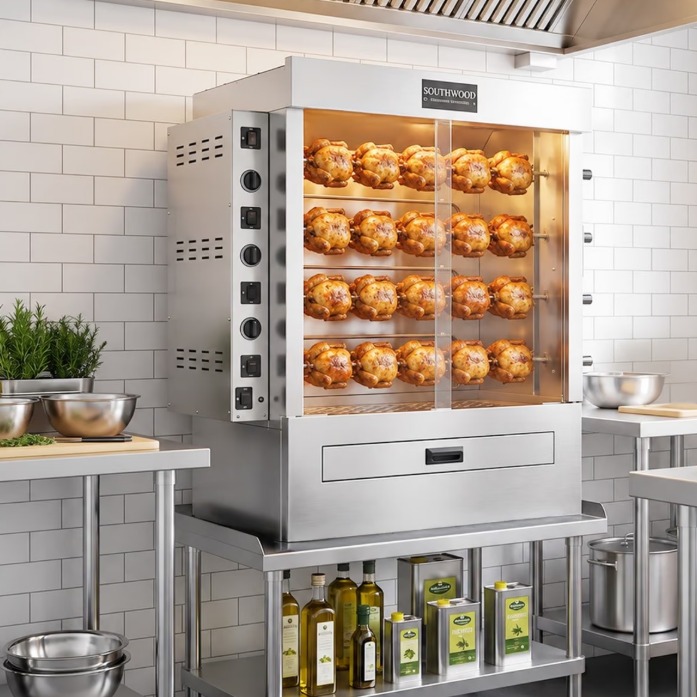
How Long Does Rotisserie Chicken Take To Cook?
Cook time depends on chicken weight, oven temperature, and equipment performance. As a general reference, a whole chicken weighing three to four pounds may take approximately 60 to 90 minutes at 350°F. These figures are estimates rather than guaranteed completion times.
|
Chicken weight |
Approximate cook time at 350°F |
|
2–3 pounds |
50–75 minutes |
|
3–4 pounds |
60–90 minutes |
|
4–5 pounds |
75–105 minutes |
|
5–6 pounds |
90–120 minutes |
These ranges offer a preliminary schedule for conventional rotisserie preparation, not validated times for every commercial oven. Operators should consult equipment instructions and test actual cook cycles. Every chicken must reach the required internal temperature regardless of its estimated cook time.
Preparing Chicken for an Even Roast
Excellent rotisserie results begin before the oven reaches its target temperature. Proper preparation improves seasoning distribution, presentation, and exposure to heat. A few deliberate steps can prevent common problems later in the process.
Start with fully thawed chicken and remove any giblets or packaging materials. Pat the surface dry with disposable paper towels, then apply the desired seasoning blend. Dry skin generally develops a more attractive roasted finish than a wet surface.
Secure the legs and wings with food-safe butcher's twine if the equipment instructions recommend it. Loose extremities can shift during rotation and create uneven exposure. Properly balanced birds also place less strain on the spit mechanism.
Seasoning for Flavor and Color
Salt, black pepper, paprika, garlic, and herbs provide a familiar foundation for rotisserie recipes. Restaurants can introduce regional flavors through citrus zest, rosemary, thyme, or carefully selected spice blends. A consistent seasoning formula helps customers recognize the dish across repeat visits.
For additional flavor, chefs may season beneath the skin or use a refrigerated brine before roasting. Follow appropriate food safety procedures throughout preparation. Avoid excessive surface sugar because it can darken rapidly under direct heat.
Managing Heat and Rotation Throughout the Cook
Even an excellent recipe can produce inconsistent results when the oven isn't operated correctly. Preheat the equipment according to its manufacturer's instructions before loading the chickens. An adequately preheated chamber helps establish a repeatable cook cycle.
Avoid overcrowded spits or excessive loads that restrict airflow and heat exposure. Commercial ovens have specific capacity limits, and those specifications deserve respect. A full chamber may require different procedures from a lightly loaded unit.
Monitor the rotation mechanism throughout the cook. Birds should turn smoothly without contact with adjacent chickens or oven components. If rotation stops unexpectedly, follow the manufacturer's safety procedures before attempting adjustments.
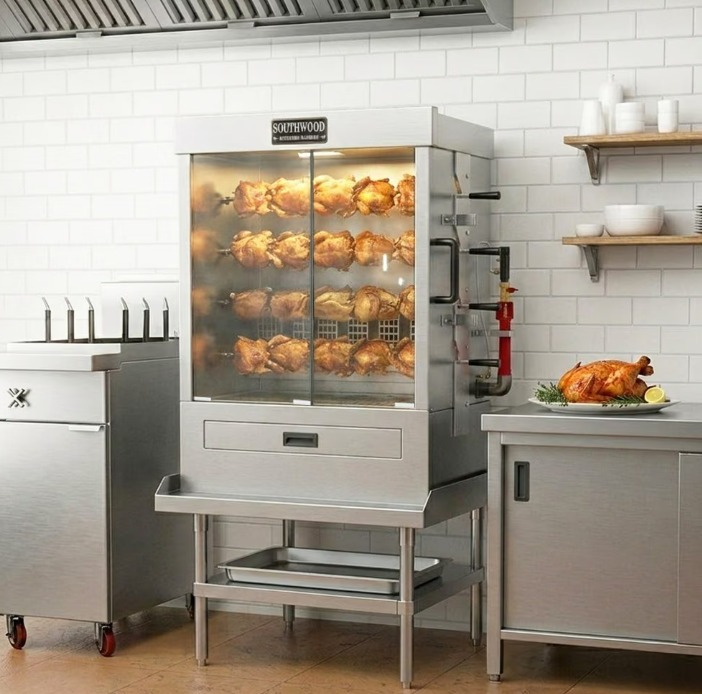
Resting, Holding, and Serving Rotisserie Chicken
Once the chicken reaches a safe internal temperature, careful handling preserves its quality. A brief rest before carving allows juices to redistribute throughout the meat. This can produce cleaner portions and a more appealing presentation.
Restaurants that prepare chickens ahead of service must also consider hot-hold procedures. Under the FDA Food Code, hot-held time/temperature control for safety foods generally must remain at 135°F or above. Local regulations and approved operating procedures may impose additional requirements.
Use commercial hot-hold equipment designed to maintain safe food temperatures. Check product temperatures at appropriate intervals and document results according to your kitchen's procedures. Excessive hold times can reduce skin crispness and meat quality even when food remains at a safe temperature.
Perfecting Rotisserie Chicken in Your Commercial Kitchen
A successful rotisserie program combines thoughtful preparation with dependable equipment and disciplined temperature checks. Establish standard recipes, record actual cook times, and train staff to verify internal temperatures. These habits support consistent quality across different shifts and production volumes.
The principles behind perfectly roasted rotisserie chicken with good timing and temperature provide a useful foundation for restaurants that want dependable results. Careful heat control, suitable chicken sizes, and proper service procedures help deliver the flavor and presentation customers expect. With an established process, rotisserie chicken can become a reliable addition to a busy commercial menu. Explore our rotisserie chicken machine selection to find options suited to your kitchen's capacity and production goals. Give your team the tools to prepare delicious rotisserie chicken with greater consistency and confidence.