
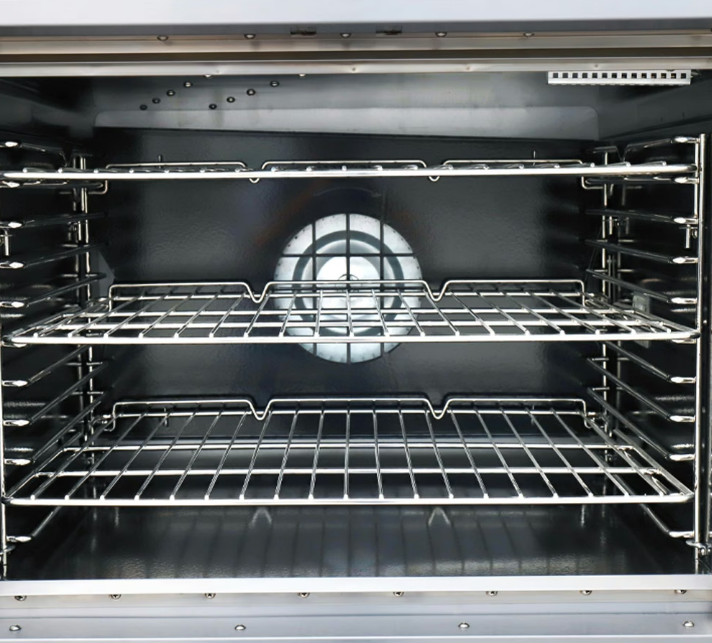
A clean commercial oven does far more than improve appearance. It helps food cook more evenly, cuts down on unwanted smoke, extends equipment life, and creates a better work environment for kitchen staff. If you’re ready to tidy up your workspace, keep it spotless with these commercial oven cleaning tips.
Create a Daily Cleaning Routine
Even the busiest kitchens benefit from a routine that keeps grease, food residue, and carbon buildup under control. A little attention each day prevents long cleaning sessions later and helps avoid costly service calls. Professional kitchens rely on consistency, and equipment care deserves the same level of discipline as food preparation.
Daily care keeps heavy buildup from taking hold. At the end of each shift, allow the oven to cool enough for safe handling before any cleaning begins. Remove loose crumbs and food debris with a soft brush or cloth. Wipe interior surfaces with a food-safe cleaner approved for commercial ovens.
Exterior surfaces deserve attention as well. Stainless steel panels collect fingerprints, grease, and splatters throughout the day. A clean exterior leaves a better impression on health inspectors, staff, and anyone touring the kitchen. Small daily tasks save hours of scrubbing later.
Select the Right Cleaning Products
Commercial ovens come with different interior finishes and construction materials. Manufacturer-approved cleaners protect those surfaces far better than harsh household chemicals. Strong caustic products may damage protective coatings or leave behind residue that affects food quality.
Always read product directions before application. Allow the cleaner enough time to loosen grease without letting it dry onto the surface. A soft cloth, nylon brush, or non-abrasive scrub pad removes residue without scratching metal components. Gentle tools usually outperform aggressive scrapers in the long run.
Remove Racks and Accessories Separately
Oven racks collect baked-on grease at a faster rate than many operators realize. Taking them out before cleaning provides access to every interior corner and prevents missed spots. Place racks in a sink or soaking container with hot water and approved degreaser.
After soaking, scrub each rack with a non-metal brush. Rinse thoroughly before returning them to the oven. Clean racks slide more smoothly and support cookware without sticky residue. Staff also appreciate equipment that feels well maintained during a busy service.
Give Door Glass Extra Attention
Dirty oven windows hide food as it cooks. Staff members may open the door more frequently just to check progress, allowing heat to escape each time. A clean viewing window reduces unnecessary temperature loss and promotes more consistent cooking results.
Use a glass-safe cleaner or one approved by the oven manufacturer. Wipe both sides of the glass with a lint-free cloth. If grease has hardened around the edges, allow cleaner a few extra minutes before wiping again. Clear glass also gives the kitchen a more professional appearance.
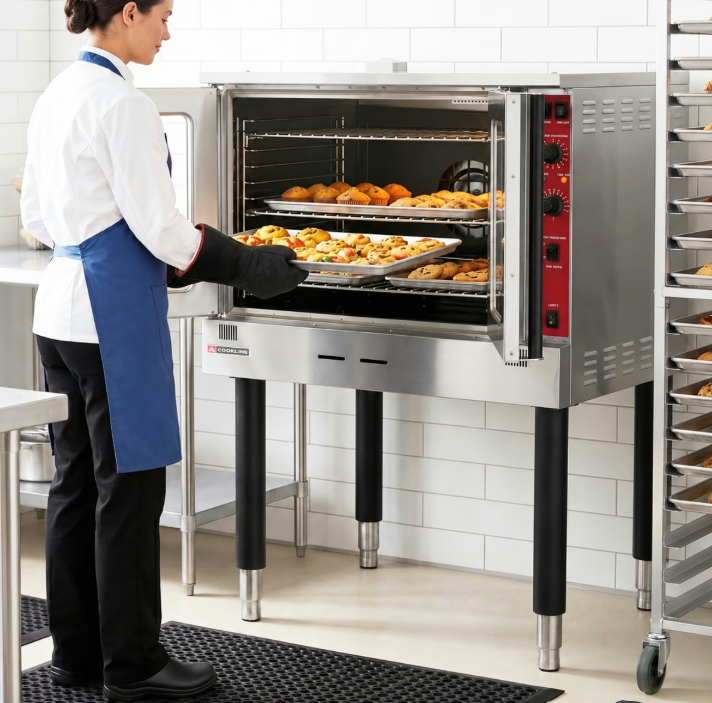
Don't Forget the Door Gasket
The door gasket seals heat inside the oven. Grease and food particles collect around this flexible material over time, reducing its ability to create a tight seal. Heat escapes through worn or dirty gaskets, forcing the oven to work harder.
Clean the gasket gently with a damp cloth and mild cleaner. Avoid sharp tools that may tear the material. If cracks or gaps appear, schedule replacement before energy waste becomes a larger problem. A healthy gasket supports temperature stability throughout every shift.
Clean Fans and Air Vents Carefully
Convection ovens rely on proper airflow for even cooking. Grease-coated fan blades reduce air circulation and create uneven temperatures inside the cooking chamber. Air vents blocked by dust or debris place extra strain on internal components.
Disconnect power before accessing any fan assemblies. Remove loose debris carefully and wipe accessible surfaces with approved cleaners. If internal components require disassembly beyond routine maintenance, leave that work to qualified service technicians. Regular attention keeps airflow strong and reliable.
Stay Ahead of Carbon Buildup
Carbon deposits become harder to remove the longer they remain inside the oven. Thick black residue reduces heat transfer and creates burnt odors that may affect food quality. A steady cleaning schedule prevents those stubborn layers from developing.
When carbon appears, apply commercial oven cleaner according to product directions. Give the solution time to soften residue before scrubbing. Patience usually delivers better results than excessive force. Clean metal surfaces recover their appearance much faster with consistent maintenance.
Use Self-Clean Features Correctly
Many commercial ovens include self-clean cycles designed to reduce manual labor. Those systems perform best when loose food debris gets removed before activation. Large spills left inside may bake onto surfaces instead of disappearing.
Review the owner's manual for proper operation. High temperatures produced during self-clean cycles require extra ventilation and enough time for complete cooling afterward. Self-clean technology helps, though it should complement routine maintenance rather than replace it.
Keep the Area Around the Oven Clean
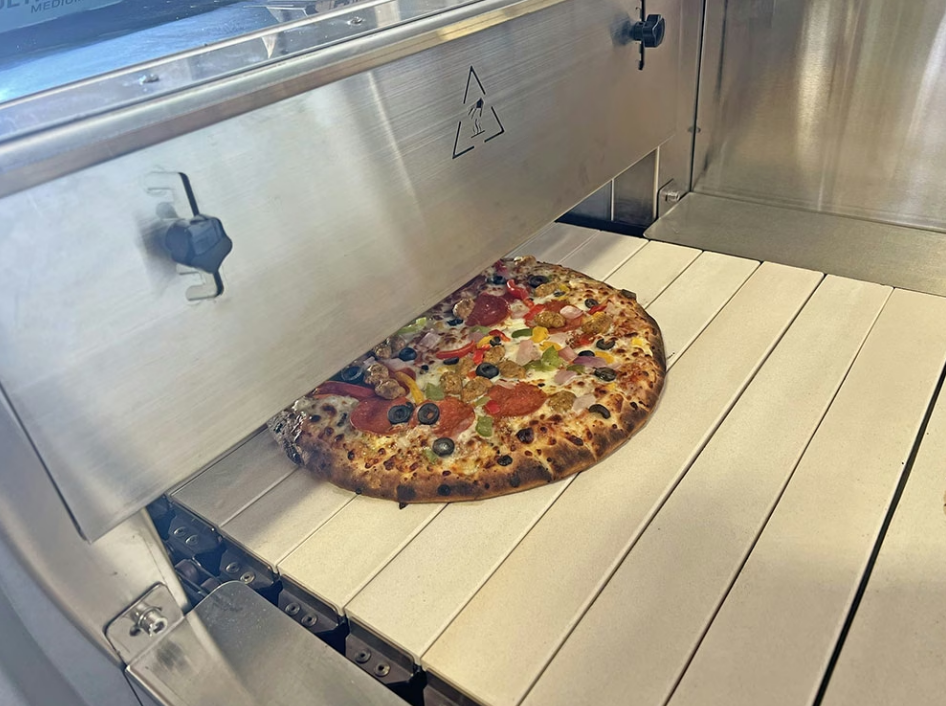
You can buy commercial ovens today that work great and are easy to clean, but the oven itself isn’t all you should think about. Floor space around the equipment deserves attention, too. Grease collects beneath equipment, behind units, and around caster wheels. Dirt in these areas attracts pests and creates slip hazards for employees.
Sweep and mop around the oven regularly. Pull movable units forward according to manufacturer recommendations so hidden debris doesn't accumulate. A cleaner work area also improves airflow around equipment and creates a safer kitchen environment.
Build a Staff Cleaning Checklist
A written checklist removes guesswork from daily maintenance. Every employee will understand exactly what requires attention before the shift ends. That consistency prevents skipped tasks and spreads responsibility across the team. A practical checklist may include:
- Remove crumbs and loose debris
- Wipe interior walls
- Clean door glass
- Wash oven racks
- Wipe exterior stainless steel
- Inspect door gasket
- Check vents for debris
- Report unusual odors or performance issues
Clear expectations produce better results than verbal reminders alone. Thanks to these commercial oven cleaning tips, you can keep your workspace spotless and ready to use every single day. Clean ovens reward restaurants with dependable performance, better cooking consistency, lower energy waste, and a more professional kitchen environment.
Daily wipe-downs, weekly deep cleaning, and regular maintenance create a routine that pays off throughout the life of the equipment. Staff members will also enjoy a cleaner workspace that supports smoother service from open to close. Rely on the techniques above to give your kitchen dependable equipment backed by knowledgeable service and outstanding value.