

A glass door refrigerator does more than keep food and beverages cold. It puts your products on display, gives customers a clear view of your inventory, and contributes to the overall appearance of your business. Follow these steps to learn how to clean a glass door refrigerator properly to preserve its appearance, protect its components, and support reliable performance.
Gather the Right Supplies Before You Start
A successful refrigerator cleanup begins with the proper supplies. Commercial refrigerators feature several materials, from tempered glass to stainless steel and rubber gaskets. Each surface responds differently to moisture and chemical products, so your choice of supplies matters.
Gather these materials before you begin:
- Soft microfiber cloths
- Mild dish soap
- Warm water
- Nonabrasive glass cleaner
- Soft-bristled brush
- Vacuum with a brush attachment
- Food-safe sanitizer approved for the surface
- Clean, dry towels
Avoid steel wool, abrasive pads, and harsh chemical cleaners that could scratch surfaces or damage protective finishes. Check the manufacturer's care instructions before you apply any product, particularly to coated glass or specialty finishes. A gentle approach usually produces excellent results without unnecessary wear.
Prepare Your Refrigerator for a Thorough Clean
Before you tackle the interior, remove products from the refrigerator and transfer perishable items to another refrigerated unit. Maintain appropriate storage temperatures throughout the process to protect food quality and safety. This also gives you unobstructed access to shelves, corners, and interior walls.
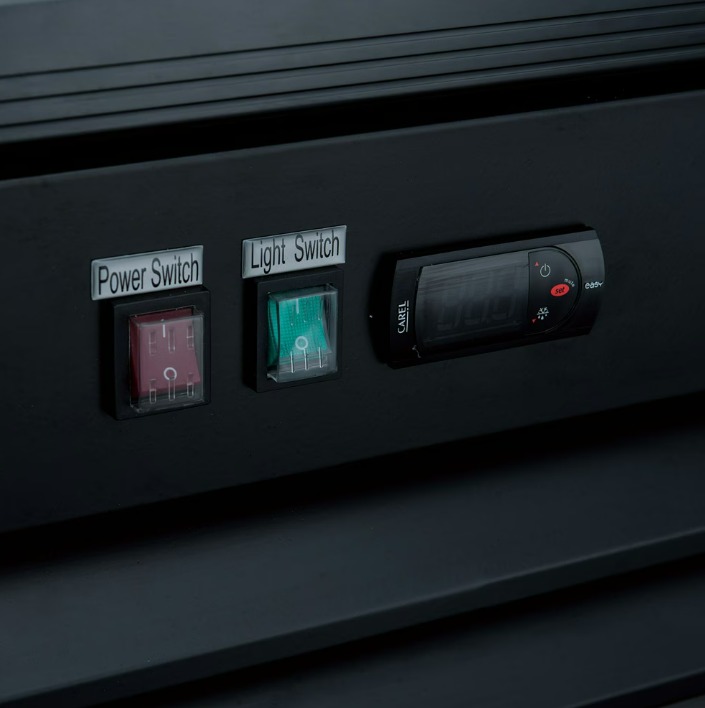
For a full interior cleanup, switch off and disconnect the refrigerator according to the manufacturer's instructions. Never spray liquid directly onto electrical components, temperature controls, or ventilation openings. Keep the doors open briefly to provide access, but avoid unnecessary exposure to warm, humid air.
Take a moment to inspect the refrigerator before you proceed. Loose shelf supports, damaged gaskets, and unusual moisture deposits deserve attention. A thorough cleanup provides a convenient opportunity to spot minor problems before they develop into expensive repairs.
Clean the Glass Doors Without Streaks
The glass doors are the most visible part of your refrigerator, particularly in grocery stores, convenience stores, and cafes. Even a small collection of fingerprints can distract from an otherwise attractive product display. Fortunately, a careful technique can restore that clear, professional appearance.
Start with a dry microfiber cloth to remove loose dust and debris. Next, apply a manufacturer-approved glass cleaner to the cloth rather than directly onto the door. Wipe the glass from top to bottom with smooth, overlapping strokes.
For stubborn fingerprints or greasy residue, use a lightly damp cloth with diluted mild dish soap, provided the manufacturer permits it. Follow with a separate damp cloth to remove soap residue, then dry the surface thoroughly. Pay particular attention to the edges, where moisture can collect near seals and frames. Avoid excessive pressure near the glass perimeter, and never use sharp tools to scrape away residue. These precautions help protect the door's finish and surrounding components.

Wash the Interior Shelves and Surfaces
Once the glass looks spotless, turn your attention to the interior. Spilled beverages, food residue, and moisture can accumulate beneath shelves and along interior seams. Left unattended, these deposits create unpleasant odors and an unattractive environment for merchandise.
Remove detachable shelves and racks according to the manufacturer's instructions. Wash them with warm water and mild detergent, then rinse and dry them thoroughly. Allow cold glass components to reach a safe temperature before contact with warmer water to avoid thermal shock.
Use a soft cloth to wipe the refrigerator's interior walls, floor, and corners. For food-contact surfaces, follow the manufacturer's sanitation instructions and applicable food safety requirements. Don't overlook shelf brackets and supports, since residue can collect around these smaller components. Before you reinstall everything, inspect the interior for cracks or damaged shelf hardware. Replace defective components instead of returning them to service.
Pay Attention to Door Gaskets and Frames
Door gaskets rarely receive the same attention as glass panels, but they deserve regular care. These flexible seals help prevent warm air from entering the refrigerated compartment. Dirt, crumbs, and sticky residue can interfere with proper door closure. Gently wipe the gasket folds with a soft cloth and mild soapy water. Use a soft brush for narrow crevices, then remove soap residue and dry the seals. Avoid sharp instruments and aggressive scrubs that could tear the rubber.
Inspect the gaskets for cracks, gaps, or areas that have lost flexibility. A damaged seal can contribute to temperature fluctuations and additional strain on the refrigeration system. If the gasket no longer fits properly, consult the manufacturer or a qualified technician about replacement. Clean the door handles and surrounding frames as well. These high-contact surfaces collect fingerprints throughout the day, especially in busy self-service retail environments.
Remove Dust From Condenser Coils and Ventilation Areas
A refrigerator's exterior may look immaculate even as dust accumulates around its mechanical components. Dirty condenser coils can restrict heat transfer and place additional strain on the refrigeration system. Regular maintenance helps the equipment operate as intended.
Locate the condenser according to your refrigerator's service manual. With the equipment safely disconnected, use a soft brush or suitable vacuum attachment to remove accessible dust, provided the manufacturer permits owner maintenance. Don't bend the delicate fins or disturb electrical connections.
Keep ventilation grilles clear of boxes and other obstructions. Adequate airflow helps the refrigerator release heat efficiently. Some commercial models have specialized condenser systems or maintenance requirements. For those units, follow the manufacturer's recommendations and leave restricted service areas to qualified technicians.
Establish a Practical Refrigerator Cleaning Schedule
Consistency helps prevent residue from becoming difficult to remove. A refrigerator near a busy checkout counter may need more frequent attention than one reserved for employee access. Adjust your routine to suit customer traffic, product types, and operating conditions.
A practical schedule might include:
- Daily: Wipe fingerprints, handles, and visible spills.
- Weekly: Clean shelves, interior surfaces, and door gaskets.
- Monthly: Inspect seals, ventilation grilles, and accessible condenser areas.
- Periodically: Arrange professional maintenance according to manufacturer recommendations.
These intervals serve as general guidance rather than universal requirements. Food safety procedures, environmental conditions, and equipment manuals should determine the final schedule. Assign routine tasks to specific employees and document completed maintenance. A written record helps your team stay consistent, especially across multiple shifts or store locations.
Keep Your Glass Door Refrigerator in Excellent Condition
Mastering how to clean a glass door refrigerator properly involves more than polished glass. Clean shelves, intact door seals, clear ventilation areas, and appropriate maintenance all contribute to a refrigerator that looks professional and performs reliably. A consistent routine also gives your staff an opportunity to recognize wear before it disrupts daily operations.
When your current equipment no longer meets your business's needs, Kitchenall can help you explore commercial refrigeration options. Browse our selection of commercial refrigerators with glass doors and discover models suited to restaurants, grocery stores, cafes, and other commercial spaces. The right equipment, paired with proper care, can serve your business well for years to come.