
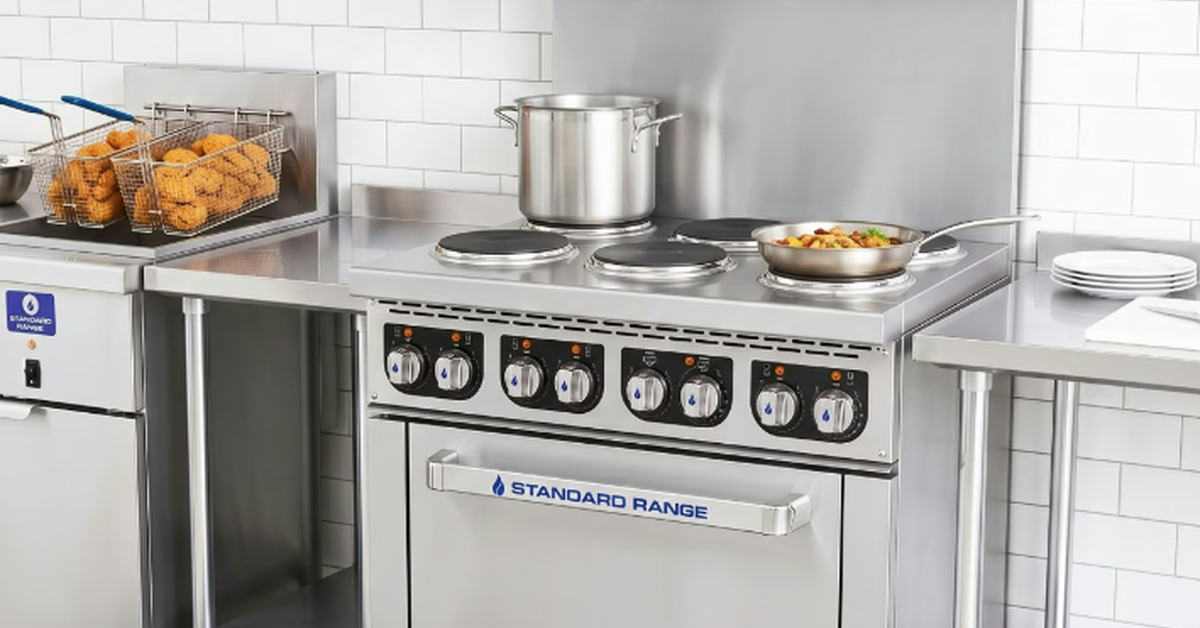
Launching a new restaurant or replacing an aging cooking line calls for plenty of decisions, and your range sits at the center of daily service. The choice between gas and electric affects everything from kitchen workflow to utility costs and menu execution. So, which is best for your restaurant? Let’s compare gas and electric ranges so you can find a great option today.
Every Kitchen Has Different Priorities
A busy steakhouse handles heat differently than a neighborhood bakery, and a café has very different production needs than a catering kitchen. Your menu, staff experience, building utilities, and service volume all influence the right choice. Instead of chasing trends, focus on how the equipment fits your everyday routine. A range that performs beautifully in one kitchen may create unnecessary challenges in another. Looking at your operation first usually leads to the smartest purchase.
Gas Ranges Deliver Immediate Heat
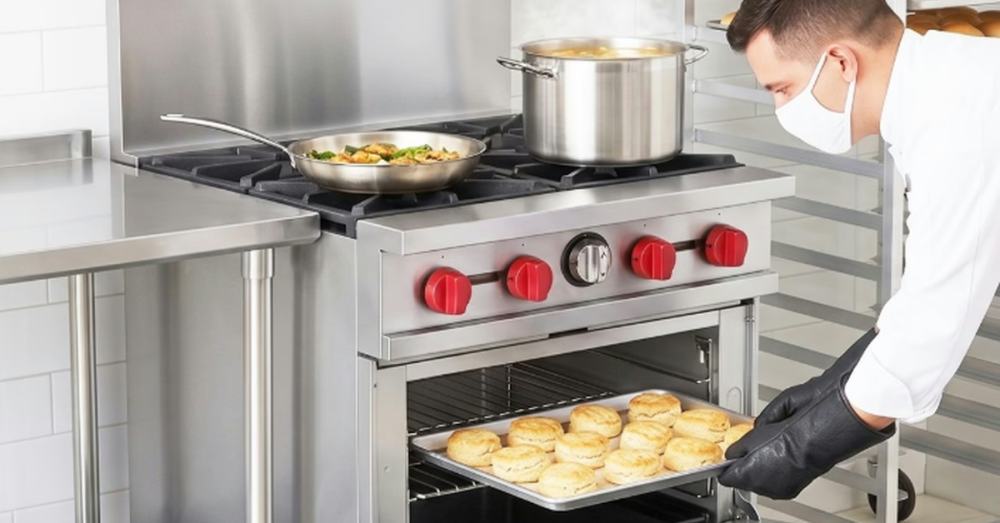
As you browse the commercial gas ranges for sale, you will see why they remain a favorite throughout the foodservice industry. Open flames provide instant heat as soon as the burner turns on. Turn the knob down, and the temperature drops almost immediately.
That responsiveness gives chefs excellent control during busy service. Sauces, sauté stations, and high-heat cooking all benefit from rapid adjustments. For restaurants that prepare dishes to order, that level of control can help maintain consistency throughout the lunch and dinner rush. Many experienced cooks also prefer the visual cue of a live flame. It becomes easier to judge heat levels without relying entirely on numbered settings.
Electric Ranges Offer Consistent Performance
Electric ranges have improved dramatically over the years. Modern commercial models heat evenly and maintain stable temperatures across the cooking surface. That consistency works especially well for recipes that require predictable heat over longer periods.
Smooth electric tops also create a cleaner appearance in many kitchens. Without exposed burners, crumbs and spills have fewer places to collect. Daily cleanup usually takes less effort, which helps keep workstations organized between shifts. Restaurants that prepare soups, sauces, pasta, or slow-cooked recipes may appreciate the steady output electric equipment provides.
Heat Control Feels Different
One of the biggest differences appears during cooking itself. Gas responds almost instantly after every adjustment. That flexibility gives cooks confidence when moving from a rapid boil to a gentle simmer within seconds.
Electric elements take longer to heat up and cool down. The cooking surface continues to release heat even after power decreases. Experienced operators learn to anticipate those changes, though new staff may need additional practice before becoming comfortable with electric equipment. Neither style is automatically better. The right fit depends on how your menu uses heat throughout the day.
Installation Can Influence the Decision
Restaurant owners sometimes assume they can purchase any range and install it without much planning. Reality tends to be more complicated. Gas models require a properly sized gas supply along with ventilation that meets local building codes. Existing gas lines may reduce installation costs, but adding new utility service can increase the project budget.
Electric ranges eliminate the gas connection, but they demand sufficient electrical capacity. Older buildings occasionally require electrical upgrades before installation can move forward. Checking available utilities before shopping saves time and prevents expensive surprises later.
Utility Costs Vary by Location
Fuel prices differ across the country, so operating costs rarely look the same from one city to another. Natural gas remains relatively affordable in many regions, allowing restaurants to operate heavy cooking equipment at a lower monthly cost. In other locations, electricity rates create a more attractive long-term value. Instead of relying on national averages, compare local utility rates alongside your anticipated cooking volume. A restaurant that runs twelve hours every day may reach a different conclusion than a café with shorter operating hours.
Cleaning Looks Different for Each Style
Kitchen staff spend plenty of time cleaning equipment, so maintenance deserves attention before any purchase. Gas ranges include burner grates, removable caps, and open flame assemblies that require regular cleaning. Grease can collect beneath burners, particularly during busy weeks.
Electric models usually feature flatter cooking surfaces with fewer removable components. Wiping spills becomes faster, and many kitchens appreciate the cleaner overall appearance. That said, burned-on food still requires prompt attention to keep surfaces in good condition. No commercial range stays clean without routine care, though each style asks for a different cleaning approach.
Durability Depends on Proper Care
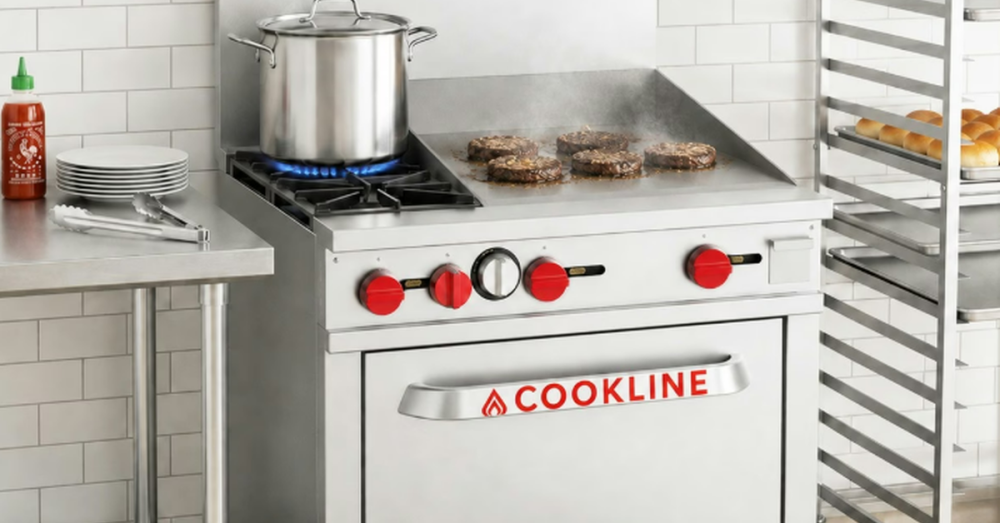
Commercial ranges represent a long-term investment, regardless of fuel source. Gas equipment contains burners, pilot systems, valves, and other mechanical components that occasionally require adjustment or replacement. Fortunately, technicians can repair many of these parts without replacing the entire appliance.
Electric models contain heating elements and electrical controls that generally last for years under normal commercial use. When repairs become necessary, replacement parts remain widely available for many leading manufacturers. Routine maintenance, regular inspections, and proper cleaning contribute far more to equipment lifespan than fuel type alone.
Think Beyond Today's Needs
Now that you know which is best for your restaurant, you can accurately compare gas and electric ranges. Don’t forget that restaurant equipment should support future growth as well as current operations. A small café may eventually expand its menu, add catering services, or increase production volume.
Likewise, an established restaurant may renovate its kitchen or replace multiple appliances over time. Planning several years ahead helps prevent equipment limitations later. Selecting a range that leaves room for future expansion usually proves more cost-effective than replacing equipment sooner than expected.
Every successful commercial kitchen balances speed, consistency, operating costs, and workflow a little differently. Gas delivers immediate responsiveness that many chefs appreciate, while electric offers dependable heat and streamlined cleanup. Both options have earned their place in professional kitchens because each serves different operational goals.
Take a close look at your menu, available utilities, production volume, and long-term plans before making a final decision. Kitchenall carries a wide selection of commercial gas and electric ranges from trusted manufacturers, helping restaurant owners choose equipment that fits both their kitchen and their budget. Explore your options today and build a cooking line ready for years of dependable service.