
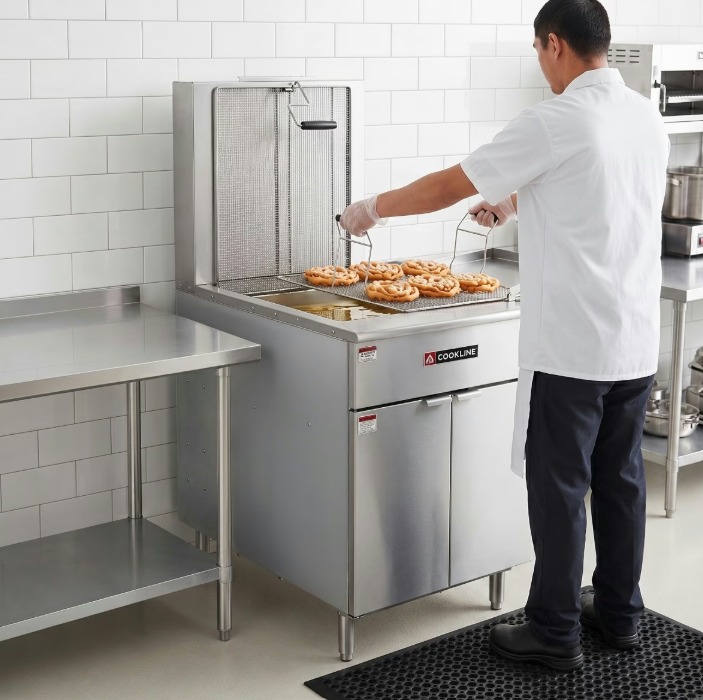
A deep fryer has a straightforward job, but the choice of heat source can shape how well it fits into a commercial kitchen. This pros and cons guide comparing gas vs. electric deep fryers breaks down both options so you can compare them with your menu, kitchen layout, utility setup, and service volume in mind. If a new fryer sits on your equipment purchasing list, learn more about the commercial models suited to your space and daily demands.
How Gas and Electric Deep Fryers Differ
The biggest distinction comes from the energy source. A gas fryer uses natural gas or propane to produce heat, with burners placed beneath or around the fry pot based on the unit’s design. An electric fryer relies on electric heat elements, either inside the fry pot or beneath it.
That difference affects more than the utility connection. Heat response, installation requirements, placement, maintenance access, and operating costs can all vary between the two formats. Local utility rates also affect the long-term expense, so one fuel type doesn’t automatically cost less in every restaurant.
Pros of Gas Deep Fryers
Gas fryers have long had a place in high-volume commercial kitchens. Many restaurants already have gas infrastructure for ranges, ovens, griddles, and other hot-line equipment, so another gas appliance may fit naturally into the existing setup.
Strong Heat Output for Busy Kitchens
Gas models are well suited to restaurants that put their fry station through a demanding service. A high-volume operation may need batch after batch of fries, chicken, seafood, or appetizers across a lunch or dinner rush. A fryer needs enough heat capacity to recover after cold food enters the oil. Gas equipment can provide substantial heat output, although actual recovery performance depends on the fryer’s design, capacity, and specifications. Operators should compare individual models rather than judge performance from the fuel source alone.
Familiar Fit on a Gas Equipment Line
Restaurants with an established gas line may find a gas fryer practical from a utility perspective. The unit can join other gas appliances on the cook line, subject to the facility’s available gas capacity and installation requirements. This setup can also feel familiar to chefs and kitchen teams accustomed to gas equipment. Familiar controls and a conventional cook-line layout can help the fryer fit naturally into daily service.
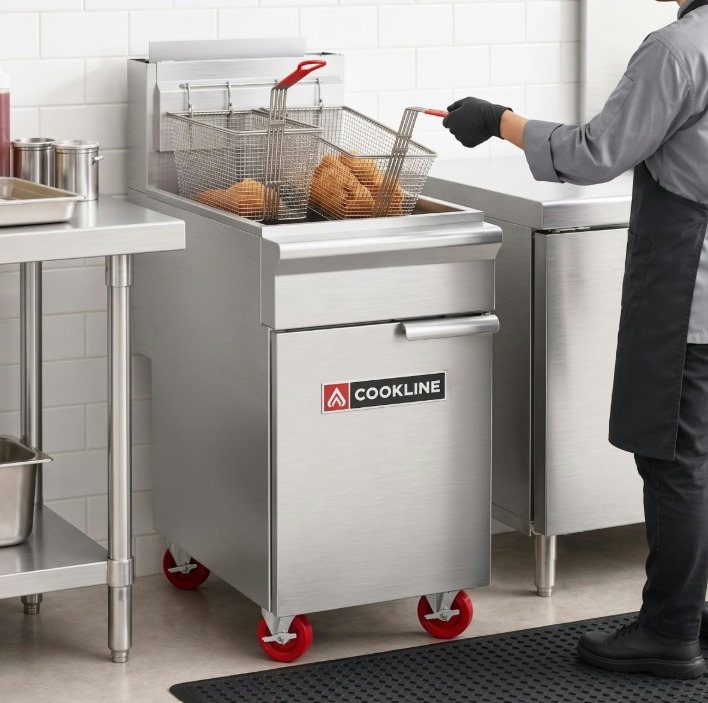
Cons of Gas Deep Fryers
There are many reasons to buy gas deep fryers, but it’s important to use these models for the right application. The existing kitchen infrastructure deserves close review before a restaurant commits to a particular model.
More Installation Factors to Consider
A gas fryer requires the correct gas supply and professional installation that meets applicable codes. The restaurant also needs to account for ventilation and the requirements associated with commercial hot-line equipment. A location without suitable gas infrastructure may face extra work before the fryer can enter service. Those added installation demands can alter the overall project cost, even if the fryer itself looks attractive at first.
Burner Areas Need Proper Care
Gas fryers have combustion components that require routine care according to the manufacturer’s instructions. Grease, debris, and heavy restaurant use can put added demands on equipment if maintenance falls behind. Staff should follow the recommended service schedule and keep accessible areas clean. A little discipline here helps protect dependable operation and gives technicians a cleaner starting point when service becomes necessary.
Pros of Electric Deep Fryers
Electric fryers have become a practical option for many commercial kitchens. They range from compact countertop units to larger floor models, so restaurants aren’t limited to small-capacity applications.
Flexible Equipment Options
An electric model can be useful in spaces where a suitable gas connection isn’t available. Depending on the fryer, the restaurant may only need the proper electrical service and other installation provisions required for that unit. That can suit cafés, concession operations, smaller kitchens, or facilities with an all-electric equipment plan. Compact electric fryers can also give operators a dedicated station for a smaller menu category without taking over a large section of the cook line.
Direct Heat Transfer
Many electric fryers use elements located directly in the oil. This design transfers heat without a gas burner beneath the fry pot. The result can be precise temperature control and solid performance, but specifications still matter. Wattage, oil capacity, recovery characteristics, controls, and fryer construction deserve attention before purchase. Fuel type alone doesn’t tell the full performance story.
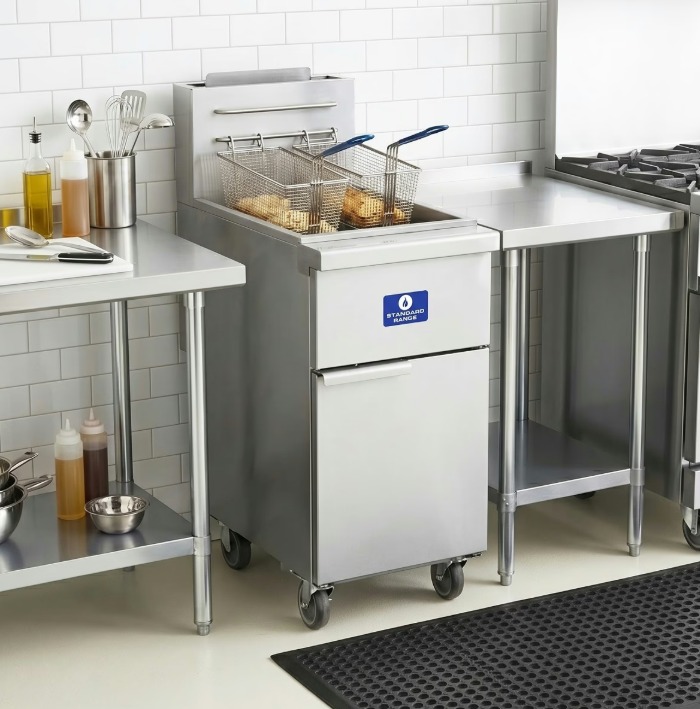
Cons of Electric Deep Fryers
Electric fryers aren’t an automatic fit for every restaurant. Their utility requirements can create obstacles, especially in older buildings or kitchens with limited electrical capacity.
Electrical Service Can Limit Your Options
A commercial electric fryer may require a higher-voltage or dedicated electrical connection. Larger floor models can place substantial demands on a facility’s electrical system. That matters during a remodel or equipment replacement. A restaurant should confirm the available voltage, phase, amperage, and receptacle or hardwire requirements before it orders a fryer. An electrician can help determine if the existing service can support the selected unit.
Utility Costs Depend on Your Location
It’s tempting to declare gas or electricity the cheaper choice, but local rates complicate that comparison. Energy prices vary by region, utility provider, and facility. A restaurant that already relies heavily on one energy source may find it more practical to stay with that infrastructure. Operators can compare local rates alongside fryer specifications and expected daily use for a more useful estimate of long-term expense.
A Pros and Cons Guide for Your Final Choice
Following our pros and cons guide comparing gas vs. electric deep fryers highlights how you can use each setup in your kitchen. Neither heat source wins for every commercial kitchen. Gas fryers can suit busy restaurants with existing gas infrastructure and substantial production demands, while electric models can offer an attractive alternative for facilities built around electrical equipment. Individual fryer specifications still carry more weight than broad assumptions about either category. Start with the realities of your restaurant, such as menu volume, utility access, available space, local energy costs, electrical capacity, and the rest of the cook line. From there, compare models based on actual specifications rather than fuel type alone.