
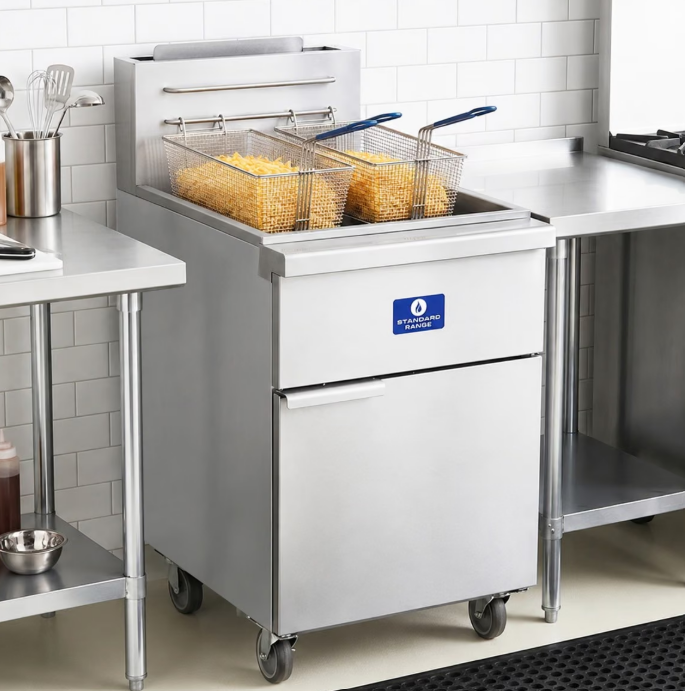
French fries have earned their place on menus across the restaurant industry, from casual diners and neighborhood pubs to upscale bistros. Their appeal goes far beyond the classic shoestring variety, with countless shapes, textures, and flavors available to suit different dishes. Restaurant owners can use these variations to create memorable sides and give familiar meals a fresh twist.
This guide to exploring the most popular types of french fries covers the characteristics of each style and how they fit into commercial menus. Dig into these options and consider how the right commercial kitchen equipment will support your next menu addition.
1. Shoestring Fries
Shoestring fries feature an exceptionally thin cut that produces a delicate, crisp texture. Their slender shape allows them to cook relatively fast, so they're a practical option for restaurants with high order volumes. They're especially popular alongside burgers, sandwiches, and casual American dishes.
Their light texture also creates opportunities for creative seasonings, from garlic and Parmesan to smoked paprika. Restaurants can serve them in small baskets or pile them beside gourmet burgers for an attractive presentation. Since their narrow shape leaves little room for a fluffy interior, they're best suited to customers who appreciate an extra-crisp bite.
2. Straight-Cut Fries
Straight-cut fries represent the familiar style found in diners, fast-food restaurants, and family establishments. Their rectangular shape provides a pleasant contrast between the crisp exterior and tender potato center. Unlike thinner varieties, these fries offer enough substance to complement hearty entrees without overwhelming the plate.
Their versatility makes them suitable for countless menu combinations, including fried chicken, grilled sandwiches, and steak dishes. Restaurants can also introduce seasoned versions without altering their standard preparation process. A consistent cut and proper fryer temperature help produce uniform results across large batches.
3. Crinkle-Cut Fries
Crinkle-cut fries have distinctive ridges that create additional surface area and a recognizable appearance. Their textured exterior develops a satisfying crunch, with a soft potato interior beneath each golden ridge. These characteristics make them a familiar favorite at family restaurants, cafeterias, and casual eateries.
The ridges also hold sauces and seasonings particularly well, so they're excellent companions for cheese dips and specialty condiments. A restaurant might pair them with barbecue platters or serve them alongside chicken tenders for a nostalgic touch. Their playful appearance adds personality to otherwise traditional plates.

4. Waffle Fries
Waffle fries stand out through their lattice-like shape, created from intersected cuts across the potato. Their broad surface develops crisp edges, and the thicker sections retain a tender interior. This combination delivers a substantial bite that works particularly well with rich sauces and bold seasonings.
Restaurants frequently pair waffle fries with fried chicken sandwiches, burgers, and shareable appetizer platters. Their unusual shape also makes them attractive for loaded fry dishes topped with cheese, bacon, or fresh herbs. Since the pieces vary in thickness, careful preparation helps achieve a balanced texture throughout each batch.
5. Steak Fries
Steak fries are thick potato wedges or rectangular cuts with a generous, fluffy interior. Their substantial size creates a different experience from thinner fries, with more emphasis on the natural potato flavor. They're particularly suitable for steakhouses, traditional pubs, and restaurants that serve generous portions.
A plate of steak fries complements grilled meats, barbecue dishes, and hearty sandwiches without appearing out of place. Their thicker profile also works well with robust sauces, such as garlic aioli or peppercorn mayonnaise. Restaurants should account for their longer cook time and maintain appropriate batch sizes for consistent results.
6. Curly Fries
Curly fries bring visual personality to a plate through their spiral shape and seasoned exterior. They're commonly coated with a flavorful blend of spices that gives them a distinctive taste and golden appearance. Their playful presentation makes them popular at casual restaurants, sports bars, and family-oriented establishments.
Their coils create an enjoyable texture, with crisp edges and slightly softer sections throughout each piece. Curly fries pair nicely with chicken sandwiches, burgers, and appetizers served with ranch or spicy mayonnaise. Restaurants can also feature them as a premium side option for customers who want something beyond traditional fries.
7. Sweet Potato Fries
Sweet potato fries offer a naturally sweet flavor and a vibrant orange appearance that distinguishes them from conventional potato varieties. Their flavor complements savory dishes, particularly grilled chicken, burgers, and sandwiches with spicy sauces. They can develop a tender interior and crisp exterior, although their texture differs from regular potato fries.
Restaurants can enhance their flavor with cinnamon, smoked paprika, or a touch of sea salt. Sweet potato fries also pair beautifully with chipotle mayonnaise and other sauces that introduce a little heat. Their distinctive taste gives operators another menu option without requiring an entirely different category of side dish.
8. Cottage Fries
Cottage fries are round potato slices with a relatively thick profile and a rustic appearance. Their broad surfaces develop golden crusts, and their centers remain tender when prepared correctly. This traditional style feels especially appropriate for diners, breakfast restaurants, and establishments with homestyle menus.
Their shape makes them suitable for hearty breakfast platters alongside eggs, sausage, and toast. Restaurants can also serve cottage fries with grilled meats or use them as the foundation for seasoned potato appetizers. A sprinkle of herbs, garlic, or Parmesan adds flavor without distracting from their comforting character.
9. Potato Wedges
Potato wedges feature thick, triangular cuts that retain a generous portion of the potato's interior. Many preparations leave the skin intact, creating a rustic appearance and an additional contrast in texture. Their substantial size makes them especially satisfying alongside roasted meats, sandwiches, and casual pub dishes.
Wedges can accommodate a variety of seasoning blends, including Cajun spices, rosemary, and garlic. Some restaurants serve them with sour cream or cheese sauce, and others feature them as part of appetizer platters. Their hearty texture also makes them suitable for oven preparation, depending on the desired finish and available equipment.
Bring Popular French Fry Styles to Your Menu
From delicate shoestring fries to hearty potato wedges, each variety offers a distinct flavor, texture, and presentation. This look at exploring the most popular types of french fries demonstrates how restaurants can adapt a familiar favorite to suit different cuisines and customer preferences. The right selection can complement existing dishes and introduce fresh opportunities for menu creativity.
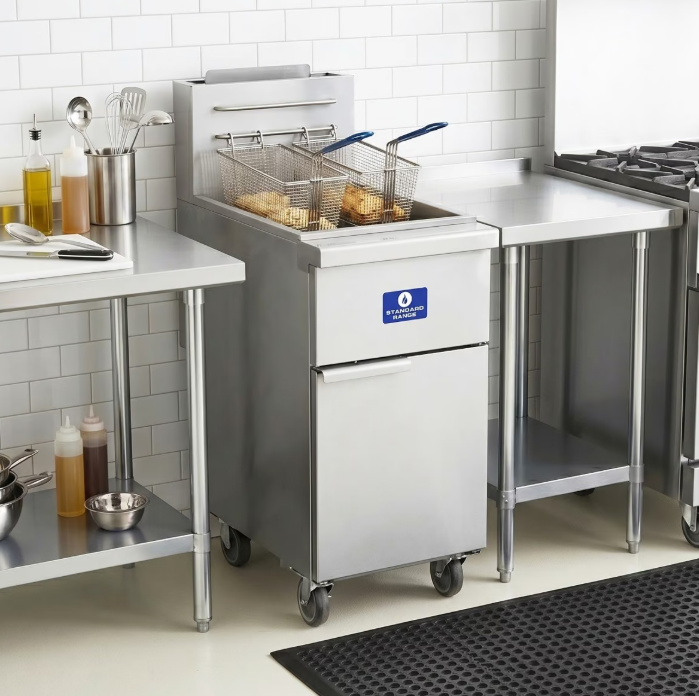
Successful preparation also depends on dependable equipment that supports your kitchen's daily demands. Kitchenall offers commercial fryers and other restaurant equipment designed for professional foodservice environments. Explore our online selection of propane fryers to find the tools to bring your next french fry creation to the table.