
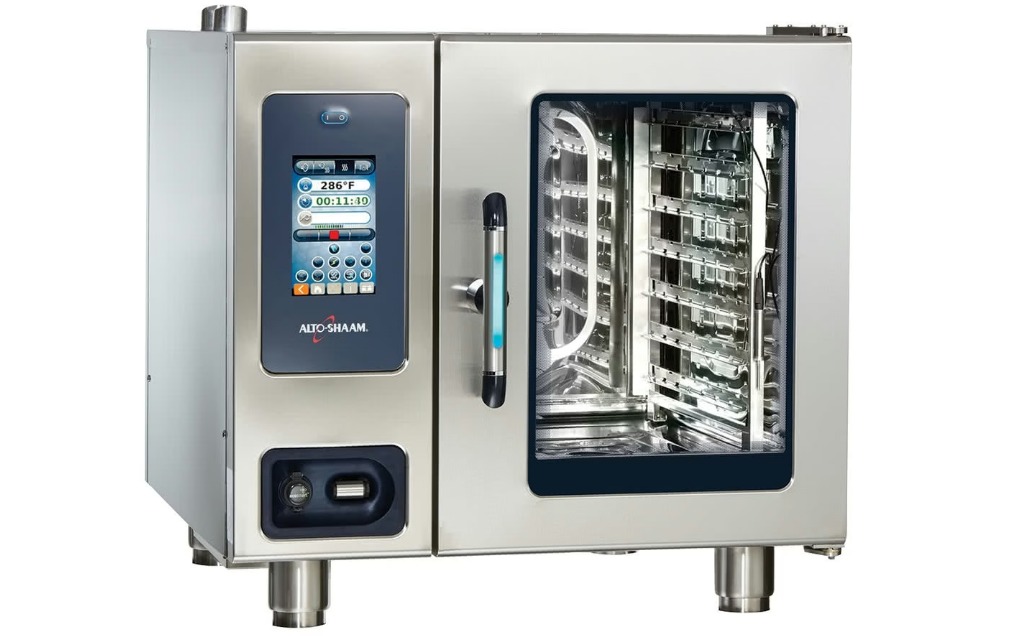
A combi oven can give a commercial kitchen several heat methods inside one cabinet. That flexibility suits restaurants, hotels, bakeries, cafeterias, and other foodservice operations with varied menus and limited floor space. Follow the guide below to find the types, uses, and advantages of combi ovens explained.
What Is a Combi Oven?
The name “combi” comes from the oven’s ability to combine dry convection heat with steam. Most models give the operator three primary modes: convection, steam, and a combination of both. Each mode creates a different oven environment, so one unit can handle foods that would otherwise call for separate appliances.
Convection mode relies on dry heat and fan-driven air. It suits roasted meats, baked goods, crisp vegetables, and foods that benefit from exterior color. Steam mode introduces moisture and works well for vegetables, seafood, rice, and other foods that respond well to gentle heat.
Combination mode uses dry heat and steam at the same time. Added moisture can help reduce surface dehydration, but dry heat can still promote color and texture. A kitchen can roast chicken, for example, with enough humidity to support moisture retention and enough dry heat to develop an attractive exterior.
Main Types of Combi Ovens
Combi ovens can differ by heat source, steam method, size, and control package. Those distinctions matter because two units with similar exterior dimensions can suit very different operations.
Boiler-Based Combi Ovens
A boiler-based model uses a separate boiler to produce steam before that steam enters the oven cavity. This design can deliver a steady steam supply, a useful trait for operations with heavy steam demand. High-volume kitchens that prepare large batches of vegetables, seafood, or other steam-focused menu items may favor this format.
The boiler adds another system to the appliance, so maintenance deserves attention. Water quality, scale control, and routine service can affect long-term performance. Operators should review manufacturer water specifications before they select a model or filtration setup.
Boilerless Combi Ovens
Boilerless units create steam inside the oven cavity rather than through a separate boiler. Many models inject water onto or near a hot surface, where it turns to steam. The design can reduce some of the complexity associated with a boiler and may suit restaurants with moderate steam needs.
A boilerless oven still depends on proper water treatment and care. Local water conditions can influence scale buildup, so manufacturer water requirements remain relevant. The choice comes down to menu volume, steam demand, maintenance preferences, and the specifications of the exact oven.
Gas and Electric Models
Combi ovens also come in gas and electric configurations. A gas model can suit a facility with the proper gas supply, ventilation setup, and utility plan. An electric model may offer a practical fit where adequate electrical service is already available.
Utility cost alone shouldn’t dictate the choice. Installation requirements, local utility rates, available connections, oven capacity, and service access all deserve review. A restaurant that replaces a current oven may also find one fuel type easier to accommodate because the site already has the required infrastructure.
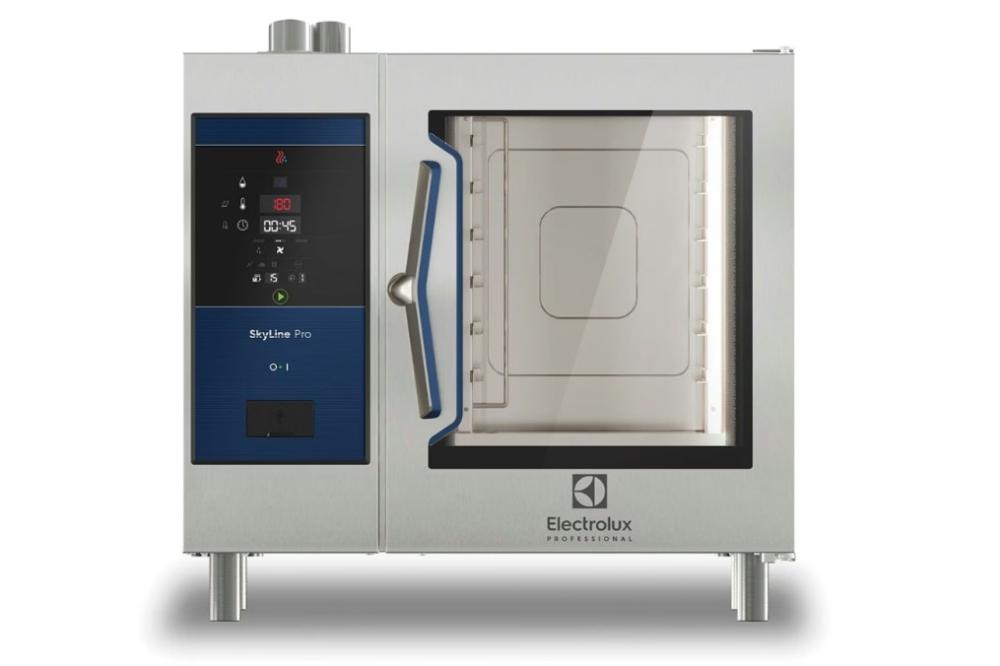
Common Combi Oven Sizes and Formats
Countertop combi ovens give smaller kitchens access to the format without the footprint of a full-size floor model. They can work well in cafés, concession operations, satellite kitchens, or restaurants that need extra capacity for a focused part of the menu.
Full-size models support greater batch volume and can accept more pans per cycle. Some kitchens also use stacked configurations to gain two oven cavities within a relatively compact footprint. Separate cavities can let staff run different temperatures, humidity levels, or cook programs at the same time. Pan compatibility deserves close review before purchase. Sheet-pan, hotel-pan, and rack capacities vary by model, so operators should compare actual production needs against manufacturer specifications rather than rely on cabinet size alone.
What Can a Combi Oven Do in a Commercial Kitchen?
A combi oven’s appeal comes from the range of menu tasks it can cover. A restaurant can use dry convection heat for pastries or roasted vegetables, then use steam for delicate foods later in the day. Combination mode adds another option for proteins, casseroles, and foods that benefit from controlled humidity.
Many models also support low-temperature cook cycles or programmable recipes. Exact features vary, so operators should verify the controls on each unit rather than assume every combi oven offers the same functions. This versatility can prove useful in kitchens with broad menus. Hotels may prepare breakfast items early, vegetables and proteins for banquet service later, then reheat prepared foods for another event. A smaller restaurant may use the same cavity for bread, roasted chicken, vegetables, and side dishes across several service periods.
Advantages of a Combi Oven
Explaining the advantages of combi ovens highlights the importance of having these appliances in various businesses. Let’s break down each benefit so you can see whether it’s a good fit for your commercial kitchen.
More Menu Flexibility From One Appliance
One oven can cover tasks associated with a convection oven and a steamer, plus combination cook cycles. That can reduce the need for multiple dedicated appliances in some kitchens. The benefit becomes more noticeable when floor space is tight or the menu changes throughout the day.
Better Control Over Heat and Humidity
Humidity control gives chefs another variable beyond temperature and time. Added moisture can support food quality in recipes prone to dryness, and dry convection heat can create color or crisp texture where the recipe calls for it. More advanced controls may let staff set humidity levels with greater precision.
Consistent Recipe Programs
Programmable controls can help a kitchen repeat established cook parameters across shifts. Staff can select a saved program rather than reset every variable for each batch. This feature can support a standardized process for multi-location restaurants, banquet departments, institutional kitchens, and other operations with repeat recipes.
Efficient Use of Kitchen Space
A combi oven can consolidate several menu tasks into one footprint. It won’t replace every oven or steamer in every kitchen, but it can reduce equipment overlap when the menu aligns with its capabilities. For a compact back-of-house layout, that flexibility can free valuable room for prep tables, refrigeration, or other production equipment.

Factors To Review Before You Buy
A combi oven offers a broad feature set, but the right model still has to match the operation. Start with menu volume, pan capacity, utility access, and available floor or counter space. From there, compare steam systems, and electrical or gas connections.
Staff workflow deserves consideration, too. A feature-rich control panel has value only when the team can use it comfortably at peak service. Operators should also plan for routine care, water filtration when required, and access for service technicians. Upfront price deserves context alongside labor needs and menu use. A combi oven that handles several high-volume tasks every day presents a different value case from a unit reserved for one limited menu item.
For restaurant owners and commercial kitchen teams, the goal is to choose a model that fits real production rather than pay for capacity or features the kitchen won’t use. Visit Kitchenall’s collection of restaurant ovens to compare combi oven options and find a unit suited to your kitchen’s space and daily volume.