
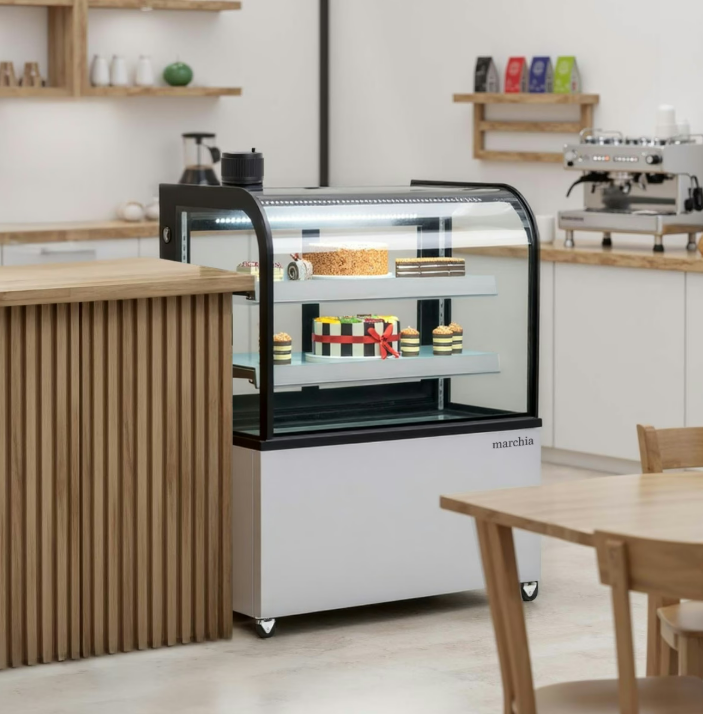
Dreams of fresh bread, flaky pastries, and a neighborhood bakery full of loyal customers start with more than great recipes. A successful launch calls for thoughtful planning and a clear vision for daily operations. Use our bakery startup guide to learn how to open your first shop.
Build a Strong Business Plan
Every successful bakery begins with a detailed business plan. That document serves as a blueprint for expenses, projected revenue, staffing, and future growth. A neighborhood bread shop has different goals than a boutique pastry café or a wholesale operation, so define your direction from day one. Clear financial projections also help secure funding and prevent expensive surprises after opening.
Take time to estimate ingredient costs, rent, utilities, payroll, insurance, and equipment purchases. Include seasonal sales patterns, since holidays and local events can create sharp shifts in demand. Conservative projections usually provide a healthier financial cushion than optimistic guesses. A solid plan gives every decision a purpose instead of relying on trial and error.
Choose the Right Location
Location shapes customer traffic more than nearly any other factor. Busy shopping districts, commuter routes, and neighborhoods with steady foot traffic give new bakeries stronger visibility. Parking availability also affects convenience, especially for customers who stop by before work or after school. Accessibility matters just as much as visibility.
Study nearby businesses before signing a lease. Coffee shops, grocery stores, offices, and schools can bring a steady flow of potential customers throughout the day. At the same time, review nearby competitors to understand market demand without placing your bakery in an oversaturated area. Good research creates realistic expectations long before opening day.
Understand Local Regulations
Every city and state has health department rules, food safety standards, and licensing requirements. Those regulations vary, so contact local agencies early in the planning process. Delays with permits can push opening dates back several weeks or even months.
Food handling certifications, fire inspections, occupancy permits, and business licenses all deserve attention before construction begins. Some municipalities also require grease traps, ventilation systems, or specific plumbing layouts. Early preparation prevents expensive renovations later.
Design an Efficient Kitchen Layout
A beautiful storefront attracts customers, but the kitchen drives productivity. Equipment placement should allow staff to move comfortably between prep stations, ovens, cooling racks, and packaging areas. Every extra step adds time during busy mornings.
Group workstations according to production flow. Mixers belong near ingredient storage, prep tables should sit close to ovens, and cooling racks deserve enough space for safe handling. Refrigeration also needs convenient access without blocking walkways. A good layout supports faster service and a smoother workday.
Invest in Commercial Equipment That Fits Your Menu
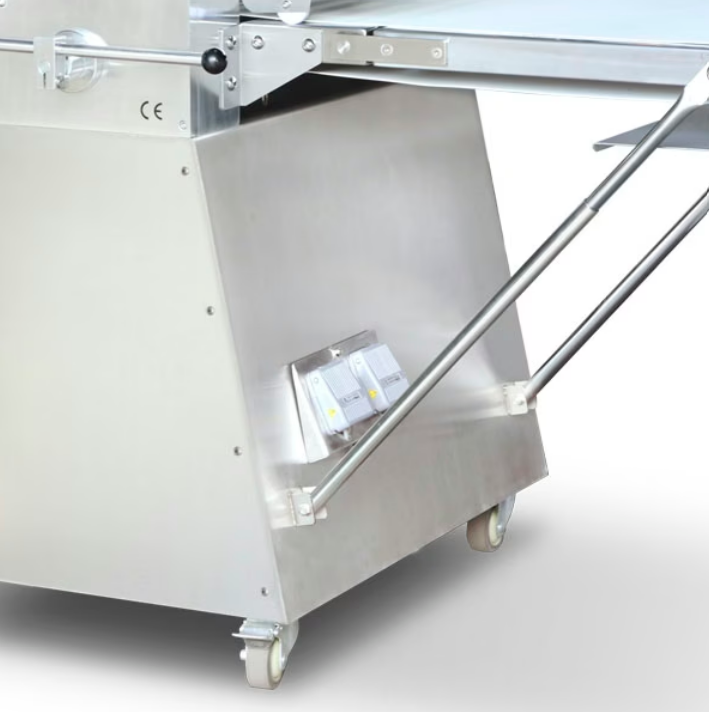
Equipment purchases represent one of the largest startup expenses, so every choice deserves careful thought. Buy machinery that matches your menu instead of paying for oversized units with unused capacity. Reliable commercial equipment also supports consistent product quality every day.
A new bakery may require:
- Commercial convection or deck ovens
- Spiral or planetary mixers
- Reach-in refrigerators and freezers
- Dough sheeters
- Stainless steel prep tables
- Bakery display cases
- Sheet pan racks
- Ingredient storage bins
- Commercial sinks
- Proofing cabinets
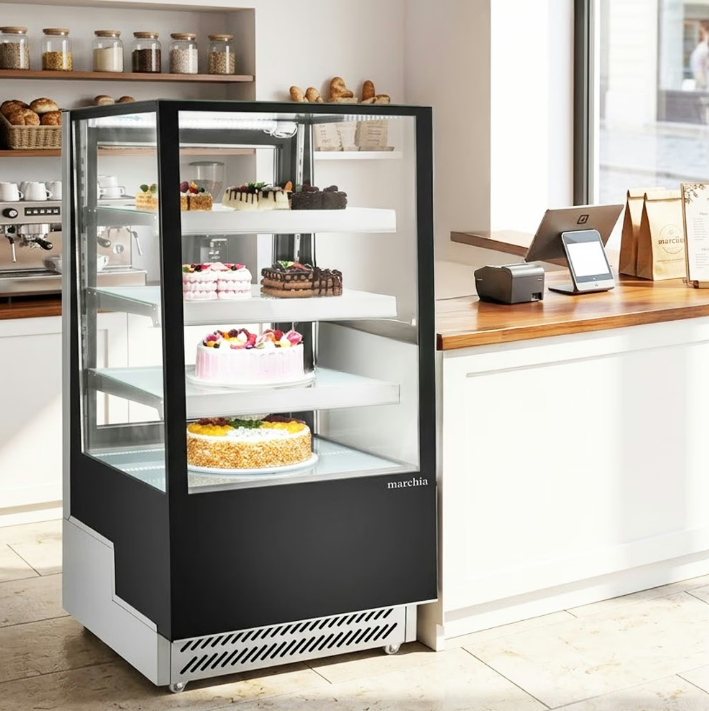
High-quality equipment usually delivers better reliability over time. Kitchenall supplies commercial baking equipment, such as bakery cases for storing and showcasing products, to help bakery owners build professional kitchens without excessive costs.
Create a Menu That Matches Your Production Capacity
A long menu sounds attractive, but too many products can overwhelm a new bakery. Start with recipes that highlight your strengths and fit comfortably within your available equipment and staffing levels. Customers appreciate consistency far more than endless variety.
Many successful bakeries begin with a focused lineup of breads, pastries, cookies, cakes, and specialty items before expanding later. Seasonal products also generate excitement throughout the year without permanently increasing production demands. A curated menu keeps inventory easier to manage and reduces food waste.
Build Relationships With Reliable Suppliers
Fresh ingredients create better products, so dependable suppliers deserve careful consideration. Compare pricing, delivery schedules, product quality, and customer service before committing to long-term partnerships. Flour, butter, chocolate, dairy products, and fresh fruit all influence finished quality.
Maintain communication with multiple suppliers whenever possible. Supply chain disruptions occasionally affect ingredient availability, and backup options reduce stress during busy seasons. Strong supplier relationships create stability that customers never notice because shelves stay full.
Hire Staff Who Support Your Vision
The best equipment still depends on capable employees. Bakers, decorators, cashiers, and front-of-house staff each contribute to the customer experience. Friendly service encourages repeat visits just as much as outstanding pastries.
Create written procedures for recipes, sanitation, customer interactions, and opening or closing duties. Consistency becomes much easier when expectations remain clear from the first day. Ongoing training also helps employees develop confidence as the business grows.
Market Your Bakery Before Opening Day
Customers cannot visit a bakery they have never heard about. Start marketing several weeks before opening with social media updates, construction progress photos, and previews of menu items. Local excitement builds naturally when people watch the journey unfold.
Partner with neighborhood organizations, nearby businesses, or community events to introduce your brand. Grand opening promotions encourage first-time visits and future purchases. Positive word-of-mouth remains one of the strongest marketing tools for local bakeries.
Prepare for Daily Operations
Any bakery startup guide highlighting how to open your first shop must address daily prep. Opening day marks the beginning rather than the finish line. Daily inventory checks, production schedules, equipment maintenance, and customer service routines all shape long-term success. Organized systems reduce stress during busy mornings.
Review sales reports regularly to identify top-selling products and slower performers. Small adjustments to production quantities help reduce waste without disappointing customers. Regular equipment maintenance also protects your investment and limits unexpected downtime.
Plan for Future Growth
Many bakery owners focus entirely on opening day and overlook long-term opportunities. Growth may include wholesale accounts, online ordering, catering, specialty cakes, or additional locations. A flexible business plan leaves room for those possibilities without disrupting daily operations.
Technology also supports expansion. Modern point-of-sale systems, inventory software, and online ordering platforms provide valuable insights into customer preferences and sales trends. Those tools help guide future investments with real data instead of assumptions.
Launching a bakery combines creativity and preparation into one rewarding business. Commercial ovens, refrigeration, prep equipment, and display cases form the backbone of daily production, so quality purchases deserve careful attention. Explore commercial bakery equipment selection and create a workspace ready for years of fresh bread, beautiful pastries, and satisfied customers.