
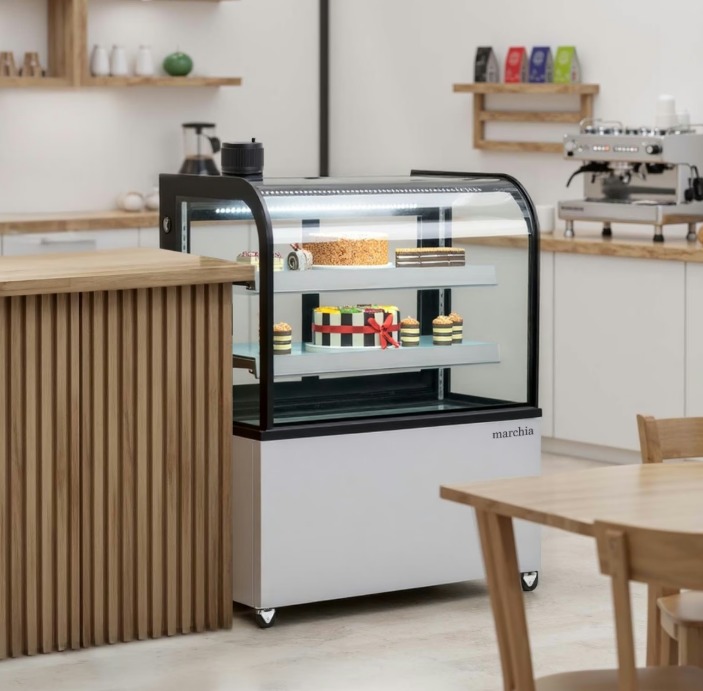
A bakery can have a brilliant menu and talented staff, but the right equipment gives that talent room to work. Each piece has a role, from dough preparation to cold storage, and a poor fit can slow production at the worst possible moment. An essential baking equipment list for every bakery gives owners a practical place to start as they plan a new shop or update an established kitchen. Browse the checklist below to find the must-have gear for your business.
1. Commercial Bakery Ovens
The oven sits at the heart of production for most bakeries. Commercial models offer the capacity and durability needed for repeated batches throughout the workday. The right oven type depends heavily on what comes out of the kitchen.
Convection ovens use fans to circulate hot air throughout the cavity, so they're a practical fit for cookies, pastries, and many other baked goods. Deck ovens offer another route and have long had a place in bread and artisan bakery production. Some bakeries also rely on rack ovens when large batch volume calls for more capacity. Don't select an oven from exterior dimensions alone. Look at interior capacity, pan compatibility, available utilities, ventilation requirements, and expected production volume before you commit.
2. Commercial Mixers
A dependable mixer takes a tremendous amount of physical labor out of bakery prep. It also gives staff greater control over large recipes that would be impractical to handle by hand. Planetary and spiral mixers cover two common, but distinct bakery needs. Planetary mixers have plenty of versatility. With suitable attachments, they can handle batters, frostings, whipped cream, and some dough recipes.
Spiral mixers focus more closely on dough and are particularly well suited to bakeries with bread, pizza, or similar products at the center of production. Capacity deserves close attention here. A mixer that's too small forces staff into extra batches, but an oversized model can occupy valuable floor space without a real production benefit.
3. Dough Preparation Equipment
Bread-focused bakeries may need more than a mixer and a sturdy worktable. Dough sheeters, dividers, rounders, and presses can reduce repetitive manual work and help a bakery handle larger production runs with greater consistency. A dough sheeter, for example, can produce uniform sheets for croissants, laminated pastries, pie crusts, and similar products.
Dough dividers portion batches into repeatable sizes, a useful advantage for rolls and loaves sold at set weights. Not every bakery needs the full lineup. Match these machines to actual menu volume rather than filling the kitchen with equipment that sees little use.
4. Commercial Refrigerators
Butter, cream, milk, eggs, fruit, fillings, and prepared dough all need suitable cold storage. A commercial refrigerator gives bakery staff the capacity and accessibility required for day-to-day production. Reach-in refrigerators work well for general storage and give employees quick access to frequently used ingredients. Undercounter models can add cold storage directly beneath a prep area.
Larger operations may need several refrigeration units so ingredients can stay organized by station or product type. Layout matters almost as much as capacity. Refrigeration placed near the relevant prep station cuts down unnecessary trips across the kitchen and keeps the production area more orderly.
5. Commercial Freezers
Freezer space gives bakeries more flexibility with ingredients, prepared dough, desserts, and products intended for later service. It can also support batch-based production when a recipe permits frozen storage. Reach-in freezers suit many compact and mid-sized operations. Undercounter units provide another option when floor space is tight or a station needs dedicated frozen storage nearby. Before purchase, consider door clearance and shelf configuration alongside overall capacity. A freezer may look spacious on paper but become awkward in daily use if staff can't load pans, containers, or boxes efficiently.
6. Stainless Steel Work Tables
The humble worktable doesn't attract much attention, but bakery staff use it constantly. Dough preparation, decorating, portion work, pan setup, and ingredient organization all require a stable workspace. Stainless steel tables suit commercial kitchens because the surface is durable and relatively straightforward to clean.
Models with undershelves can also create useful storage for bowls, pans, ingredient containers, or small tools. Measure the room before choosing table sizes. Wide work surfaces are useful, but cramped aisles create frustration once several employees share the kitchen.
7. Bakery Display Cases
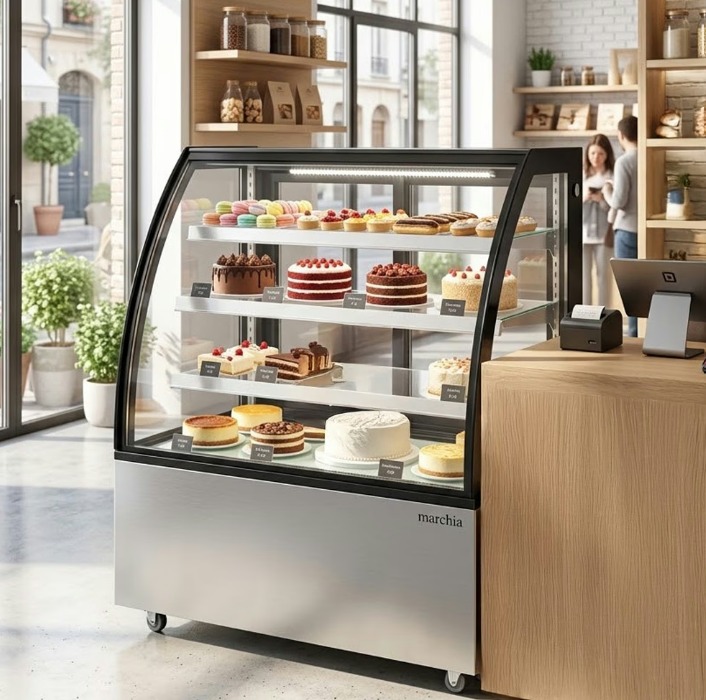
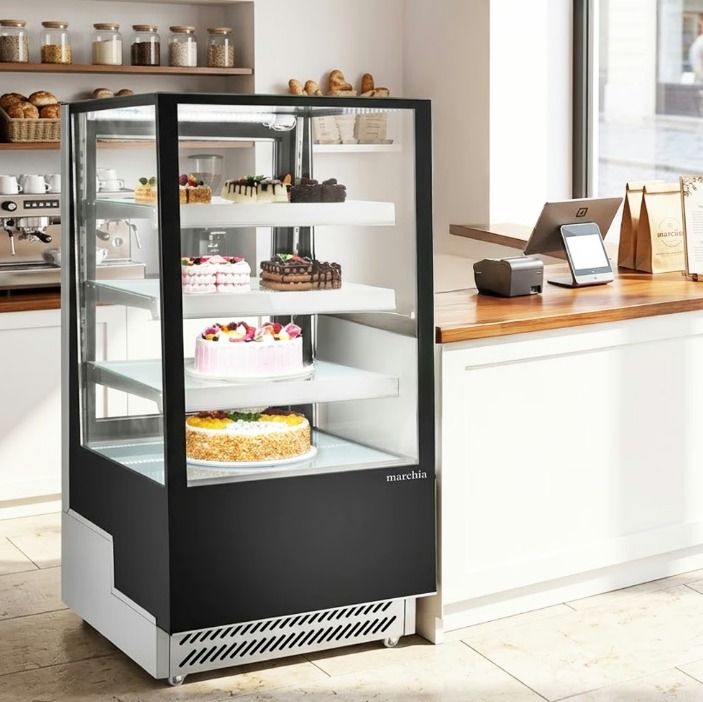
Production equipment gets food ready for sale; a bakery display case brings those products in front of the customer. Cases can showcase cakes, pastries, desserts, sandwiches, and other prepared items in a polished retail presentation. Refrigerated display cases suit products that require cold conditions. Dry cases serve items that don't need refrigeration, so the product lineup should guide the choice.
Glass style, shelf arrangement, lighting, access, and case dimensions also affect how well a model fits the front counter. A beautiful case still has to work for employees. Staff should have practical access to products during busy service without disrupting the customer area. Equip yourself with bakery display cases that combine convenient storage with eye-catching advertising.
8. Sinks and Sanitation Equipment
A bakery also needs equipment for washing hardware, maintaining hand hygiene, and encouraging general sanitation. Exact requirements depend on the facility and applicable local codes, so owners should review regulations for their location before finalizing a layout. Compartment sinks, dedicated hand sinks, pre-rinse units, and commercial dishwashing equipment may all have a place in the operation.
Trash receptacles and suitable storage for cleaning supplies also deserve space in the floor plan. Plan these areas early rather than fitting them into whatever room remains. A thoughtful sanitation setup supports a cleaner, more practical workspace from the first batch through closing.
Build Your Bakery Around the Actual Workflow
A useful equipment plan follows the path of the product. Ingredients move from storage to prep, then toward proofing or assembly, into the oven, through cooling and finishing, and finally to storage or display. Equipment placement should support that sequence without forcing staff to cross the kitchen repeatedly. That perspective also helps owners decide where to spend their budget. A high-volume bread shop may put more resources toward mixers, proofers, and ovens, whereas a pastry café may devote additional space to refrigeration and display cases.
Complete Your Baking Equipment List
The best version of an essential baking equipment list for every bakery isn't a collection of every machine available. It's a carefully selected group of commercial products that suits the menu, production schedule, space, and staff workflow. Start with the equipment that supports daily production, then add specialized pieces where demand justifies them.