
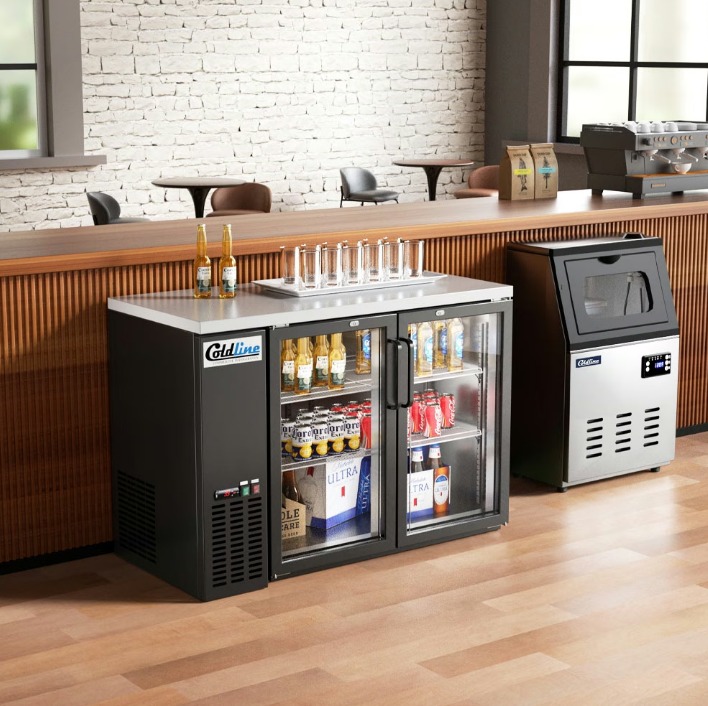
Running a commercial kitchen calls for attention to countless details, and refrigeration sits near the top of that list. ADA-compliant refrigerators add another layer to equipment selection, especially for break rooms, employee spaces, hospitality settings, schools, healthcare facilities, and customer-facing areas. These ADA refrigerator guidelines made simple for kitchens break down the basics without drowning you in technical language. A clear understanding of these standards helps you select equipment that fits your space and serves every member of your team. If a kitchen upgrade sits on your agenda, take time to compare ADA-compliant refrigeration before the next purchase.
What Does ADA Mean for Refrigerators?
The Americans with Disabilities Act (ADA) sets accessibility standards for public accommodations and many workplaces. Those standards allow people with disabilities to access facilities and equipment with greater ease. In the case of refrigerators, ADA rules focus on accessibility instead of food safety or refrigeration performance.
Not every commercial refrigerator falls under ADA requirements. Many reach-in refrigerators, walk-in coolers, and large prep units serve back-of-house operations where ADA standards may not apply. Compact refrigerators, undercounter refrigerators, and break room units appear much more frequently in spaces that call for accessible design.
ADA Compliance Starts With Accessible Design
An ADA refrigerator looks similar to a standard refrigerator at first glance. The difference appears through dimensions, controls, and ease of use. Every detail aims to allow access from a seated position or for users with limited mobility.
Manufacturers build ADA-compliant units with features that support accessibility, including:
- Lower overall height
- Accessible door handles
- Controls within easy reach
- Shelves that allow convenient access
- Door configurations that reduce unnecessary stretching
These design choices create a more comfortable experience for every employee, customer, or visitor who uses the refrigerator.
Height Requirements Matter
One feature receives plenty of attention during ADA refrigerator selection: overall height. Many ADA-compliant refrigerators stand no taller than 34 inches. That size allows installation beneath accessible countertops and leaves room for wheelchair users to reach stored items with less effort.
A taller refrigerator may offer additional storage, though extra capacity loses value if access becomes difficult. For kitchens that serve public spaces, accessibility deserves as much attention as storage volume. Before placing an order, compare equipment dimensions with available space. A few inches can determine if a refrigerator meets project requirements.
Reach Range Plays a Large Role
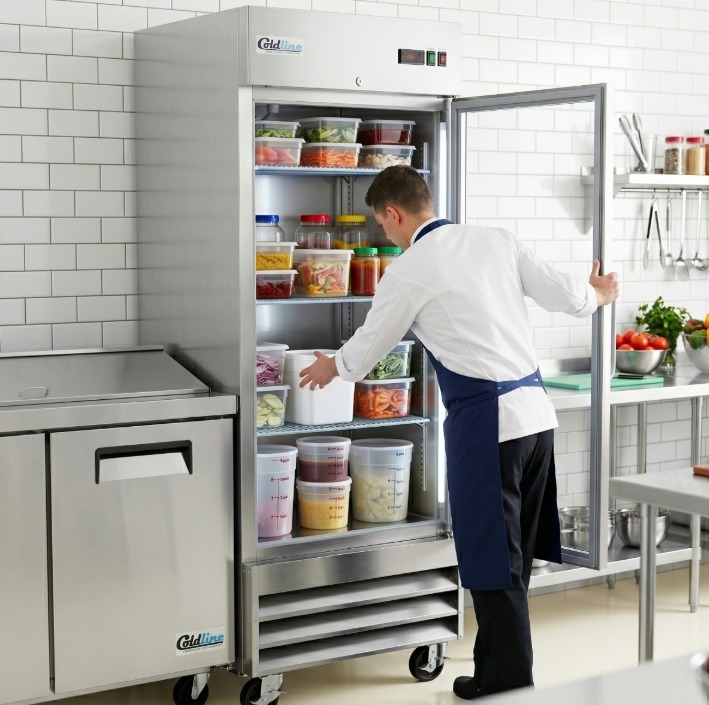
Accessibility extends beyond refrigerator height. Reach range also receives close attention under ADA standards. Controls should sit within comfortable reach. Shelves used every day should not require excessive stretching or bending. Door handles should allow operation with minimal force.
Picture an employee who uses a wheelchair during a work shift. Access to beverages, ingredients, or personal meals becomes far easier when refrigerator controls and storage areas remain within a comfortable reach zone. Small design details create a smoother experience throughout the day.
Door Style Can Improve Accessibility
Having a firm grasp of these ADA refrigerator guidelines made simple for kitchens will help you choose the perfect door style. The door design deserves more thought than many buyers expect when it comes to ADA compliance. Heavy doors or awkward handles create unnecessary obstacles. Many ADA refrigerators include easy-grip handles and doors that open with little effort. The refrigerator should fit naturally into daily kitchen traffic without forcing users into uncomfortable positions.
Interior Storage Deserves Attention
The inside of the refrigerator carries just as much value as the outside. Adjustable shelves give operators flexibility for beverages, dairy products, prepared foods, or employee lunches. Better organization also reduces unnecessary reaching.
Clear storage layouts allow users to locate items quickly. Time savings may appear small during one trip to the refrigerator, though those seconds add up across hundreds of visits every week. A thoughtful interior layout also helps reduce clutter, creating a cleaner and more efficient kitchen environment.
ADA Compliance Does Not Replace Food Safety
Accessibility standards and food safety regulations cover separate topics. ADA compliance does not replace NSF certification, health department rules, or temperature requirements.
Commercial refrigerators still need reliable cooling performance, durable construction, and food-safe materials. Stainless steel interiors, dependable compressors, and accurate temperature controls remain valuable features for busy kitchens.
Restaurant owners should evaluate both accessibility and commercial performance before selecting refrigeration equipment.
Applications That Benefit From ADA Refrigerators
ADA refrigerators appear across many industries, not just restaurants.
Common locations include:
- Employee break rooms
- Schools and universities
- Hospitals and healthcare facilities
- Hotels
- Senior living communities
- Retail customer service areas
Many restaurant owners also install ADA refrigerators in office spaces or customer-accessible beverage stations. Matching the refrigerator to the intended location helps create a better experience for everyone who uses the space.
Choosing the Right ADA Refrigerator
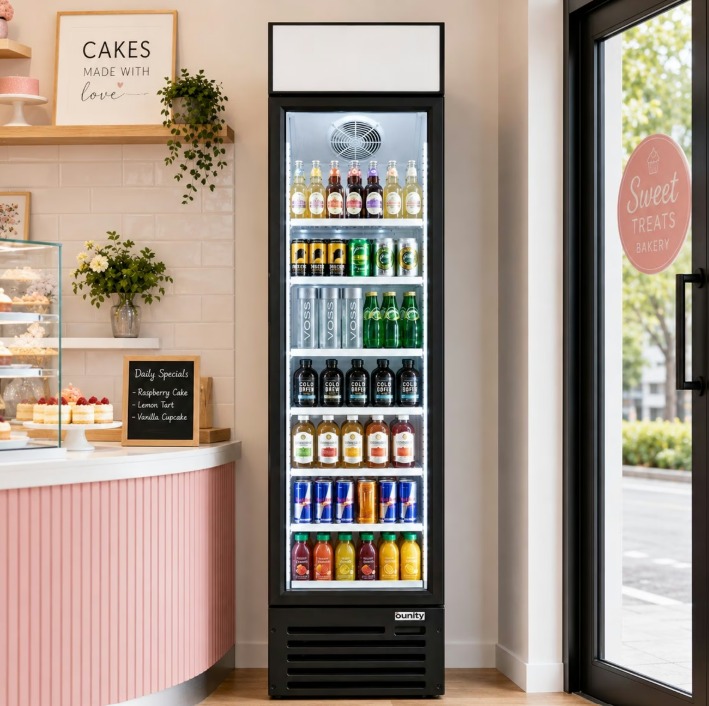
Every kitchen has different space limitations and daily demands. Capacity, door style, energy efficiency, and installation location all deserve careful review before a purchase. Start with available floor space. Next, compare storage capacity against daily use. Finally, confirm that product specifications state ADA compliance when accessibility standards apply. A refrigerator that fits your workflow today will continue to serve your operation well as your business grows.
Measure Your Space Before You Buy
Even the best ADA refrigerator won't serve your kitchen well if it doesn't fit the available space. Take accurate measurements of the installation area, including height, width, depth, and clearance needed for the door to open fully. Nearby cabinets, walls, and other equipment can affect accessibility after installation. It also helps to consider traffic flow so employees and visitors can reach the refrigerator without crowding walkways or workstations. A few extra minutes with a tape measure can prevent installation headaches and help you select equipment that fits your kitchen from day one.
Accessibility has become part of smart kitchen design across countless industries. An ADA-compliant refrigerator supports convenience, usability, and a welcoming environment without sacrificing dependable refrigeration. Careful planning today can prevent costly equipment changes later and create a workspace that accommodates a wider range of employees and guests.
If you're ready to upgrade your commercial refrigeration, Kitchenall offers a wide selection of commercial fridges for restaurants, healthcare facilities, hospitality businesses, and other professional kitchens. Compare models and choose equipment that fits your accessibility goals perfectly.