
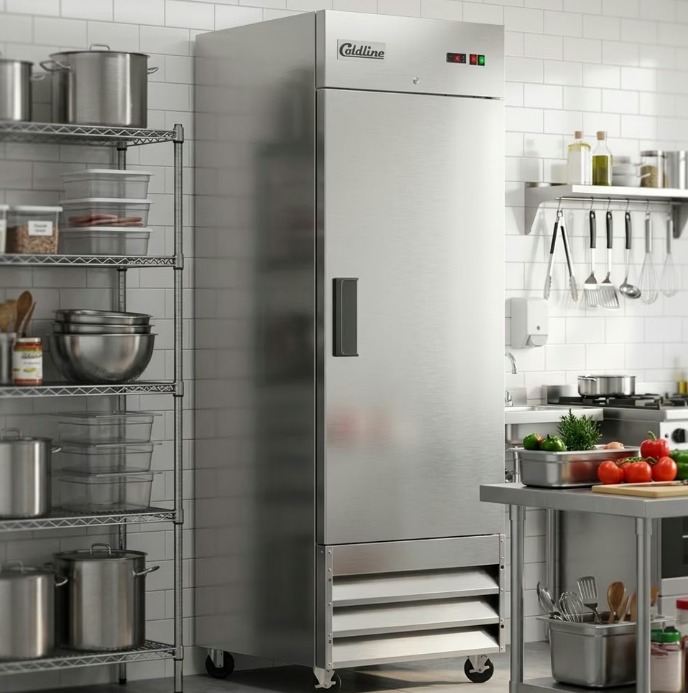
Commercial refrigerators work hard every day, from the first prep shift to the final cleanup. Restaurant kitchens depend on them to preserve ingredients, maintain food safety, and support efficient service. Unfortunately, constant use can take a toll on even the most durable refrigeration equipment, especially when routine care falls by the wayside. These maintenance tips that extend refrigerator lifespans will help you protect your equipment and keep it in excellent condition for years.
#1 Clean Condenser Coils Regularly
Condenser coils release heat from the refrigeration system, so dirt and grease buildup can create serious problems. When debris coats these components, the refrigerator must work harder to maintain its set temperature. That extra strain can increase energy consumption and place unnecessary stress on the compressor.
In a busy restaurant, airborne grease and dust can accumulate faster than expected. A refrigerator near a fryer, for example, may develop dirty coils sooner than a unit in a separate prep area.
Check the manufacturer's instructions before you clean the coils. After you disconnect the unit from power, use a soft brush or suitable vacuum attachment to remove debris from accessible surfaces. Establish a schedule based on your kitchen environment, and inspect the coils more frequently in areas with heavy grease exposure.
#2 Inspect Door Gaskets for Wear
Door gaskets create the seal that keeps cold air inside your refrigerator. Over time, repeated door use, food residue, and physical damage can weaken that seal. Even a small gap allows warm air to enter, forcing the refrigeration system to compensate.
Start with a visual inspection. Look for cracks, loose sections, hardened rubber, or areas that no longer sit flush against the cabinet. You can also close the door on a thin piece of paper and gently pull it to check for resistance.
Clean the gaskets with mild soap and warm water, then dry them thoroughly. If the seal has deteriorated, replace it with a compatible part. A properly fitted gasket can reduce unnecessary compressor operation and help maintain stable interior temperatures.
#3 Keep Refrigerator Temperatures Consistent
Temperature fluctuations can indicate problems long before a refrigerator stops altogether. They can also put perishable inventory at risk, particularly during busy service periods when staff access the cabinet frequently. For most commercial refrigerators that store potentially hazardous foods, a temperature of 40°F or below provides a practical operating target, subject to applicable food safety requirements. Always follow the manufacturer's specifications and local health regulations.
Use an independent thermometer to verify the actual cabinet temperature rather than rely exclusively on the display. Record readings at consistent intervals and investigate unusual changes. If temperatures rise unexpectedly, examine the door seals, airflow, and recent product loads first. Persistent fluctuations deserve attention from a qualified refrigeration technician before the problem becomes more expensive.
#4 Maintain Proper Airflow Around the Unit
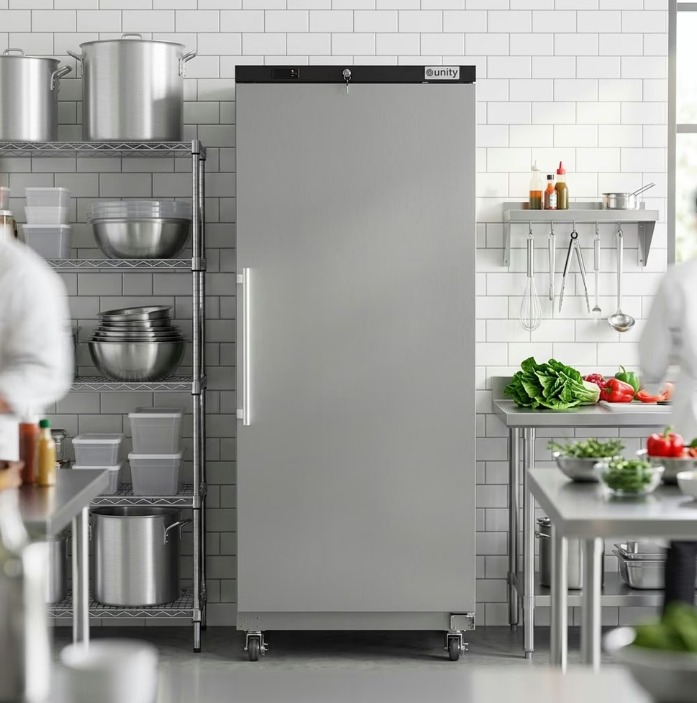
Commercial refrigerators need adequate ventilation to release heat efficiently. Poor airflow can raise operating temperatures around the condenser and contribute to premature component wear. A crowded kitchen can make ventilation difficult. Staff may push refrigerators against walls, stack supplies beside ventilation openings, or place equipment too close to heat-producing appliances.
Follow the manufacturer's clearance requirements and keep ventilation grilles free from obstructions. Avoid placing refrigerators directly beside ovens, ranges, or other major heat sources whenever your layout allows. Inside the cabinet, leave enough space between products for cold air to circulate. Overpacked shelves can create uneven temperatures and slow recovery after frequent door openings.
#5 Don't Overload Refrigerator Shelves
A fully stocked refrigerator may seem efficient, but excessive inventory can create several maintenance problems. Heavy loads can damage shelves, restrict airflow, and place unnecessary pressure on interior components. For example, large containers stacked against the rear wall may block air passages.
As a result, some products may receive adequate refrigeration, but others could remain warmer than intended. Respect the manufacturer's shelf weight limits and distribute inventory evenly. Keep products away from evaporator outlets and avoid stacks that interfere with door closure.
#6 Clean the Interior and Drainage System
Food spills, moisture, and debris can gradually affect refrigerator performance. Beyond sanitation concerns, residue may obstruct drain openings and contribute to water accumulation inside the cabinet. Establish a regular interior sanitation schedule that suits your kitchen's workload.
Remove products to appropriate refrigerated storage, then clean shelves, walls, and accessible surfaces with manufacturer-approved products. Pay particular attention to drain areas. A blocked condensate drain may cause water to collect beneath shelves or leak onto the floor.
Check accessible drain openings for debris and follow the equipment manual for proper maintenance. Avoid harsh chemicals, abrasive tools, and excessive water near electrical components. Gentle, consistent care helps preserve interior finishes and prevents minor sanitation issues from becoming costly repairs.
#7 Check Evaporator Fans and Frost Buildup
Evaporator fans distribute cold air throughout the refrigerator cabinet. If a fan fails or becomes obstructed, temperatures may vary between shelves, even when the refrigeration system continues to operate. Listen for unusual rattles, excessive vibration, or changes in normal fan operation.
These symptoms can indicate worn components or obstructions that deserve professional inspection. Frost accumulation also warrants attention. Excessive frost around evaporator components may point to airflow restrictions, door seal problems, or defrost system faults.
Don't chip away ice with sharp tools. You could damage delicate refrigeration components and create an expensive repair. Instead, follow the manufacturer's defrost procedures and contact a technician if frost repeatedly returns.
#8 Schedule Professional Maintenance Visits
Daily care helps protect commercial refrigeration equipment, but certain components require specialized expertise. Refrigerant circuits and compressor assemblies aren't suitable for casual maintenance by kitchen staff. A qualified technician can assess system performance, inspect electrical connections, identify refrigerant-related problems, and examine components for early signs of deterioration.
The appropriate service interval depends on the equipment and manufacturer recommendations. High-volume kitchens may benefit from more frequent professional inspections due to their demanding workloads. Keep a record of service dates, repairs, and recurring symptoms. These notes give technicians valuable context and help restaurant owners recognize when maintenance expenses begin to outweigh the benefits of continued repairs.
Protect Your Investment With Proper Refrigerator Maintenance
Commercial refrigerators represent a substantial investment, and their condition directly affects kitchen operations. These maintenance tips that extend refrigerator lifespans support better energy efficiency, safer food storage, and fewer unexpected disruptions. A practical maintenance routine gives your equipment a better chance of delivering dependable performance throughout its service life. When repairs become frequent or your current refrigerator can no longer meet operational demands, commercial fridge suppliers can help. Explore our extensive selection of commercial refrigeration equipment and find a reliable replacement that suits your kitchen.