
A restaurant's design does far more than create a pleasant first impression. Every choice, from the floor plan to the lighting, shapes the guest experience and influences how smoothly your team moves through each shift. A fresh, well-planned dining room can also help your business stand out in a crowded market.
Plenty of upgrades fit nearly any budget, and thoughtful changes can breathe new life into an older location. At the same time, a practical layout supports faster service and a more comfortable work environment. If you're ready to refresh your establishment, try out these impactful restaurant design ideas to transform your space.
1. Create a Layout That Flows Naturally
A beautiful dining room loses its appeal if guests and staff constantly bump into each other. The floor plan should allow servers to move comfortably between tables and give customers plenty of room to enter, exit, and settle into their seats. Think about traffic patterns before selecting furniture. Leave clear walkways between dining sections and keep service stations accessible without interrupting guests. A layout with natural flow helps the dining room feel relaxed even during busy dinner service.
2. Upgrade Your Lighting
Lighting changes the mood faster than almost any other design element. Bright, cool lighting works well for fast-casual restaurants and breakfast spots, while warmer tones create a comfortable atmosphere for dinner service.
Layer different light sources throughout the restaurant. Pendant fixtures above tables, accent lighting around architectural details, and practical task lighting near workstations all contribute to a polished appearance. Dimmer controls also provide flexibility throughout the day.
3. Add Comfortable Seating
Guests appreciate comfortable seating, especially during longer meals. Chairs and booths should provide support without sacrificing durability. Commercial-grade furniture stands up to daily use and maintains its appearance much longer than residential products. Mixing seating styles also adds visual interest. Booths along the walls, traditional tables in open areas, and a few bar-height options create variety without disrupting the overall design.
4. Bring Nature Indoors
Natural elements soften commercial spaces and create a welcoming atmosphere. Plants, wood accents, and stone textures introduce warmth without requiring dramatic renovations. Live greenery works well near entrances, waiting areas, and corners that feel empty. If maintenance becomes a concern, high-quality artificial plants still provide visual appeal. Even a few carefully placed planters can brighten the dining room.
5. Highlight an Eye-Catching Feature
Every memorable restaurant has something guests remember long after they leave. A striking mural, decorative wall, wine display, or open kitchen can become a conversation piece that encourages repeat visits. The feature doesn't need to dominate the room. One thoughtfully designed focal point naturally draws attention and gives customers another reason to share photos on social media.
6. Refresh Your Color Palette
Color influences the atmosphere more than many people realize. Warm earth tones create a cozy environment, while lighter shades help smaller dining rooms feel more spacious. Choose colors that complement your brand instead of chasing short-lived trends. Neutral backgrounds paired with bold accent colors allow décor updates later without repainting the entire restaurant.
7. Invest in Durable Commercial Materials
Another great restaurant design idea that will transform your space is to invest in top-tier materials. Restaurant furniture, flooring, and countertops experience constant wear every day. Commercial-grade materials resist scratches, stains, moisture, and heavy traffic far better than residential alternatives. Durable finishes also reduce maintenance costs over time. Instead of frequent repairs or replacements, you can focus resources on customer service and daily operations.
8. Open Up the Kitchen View
Open kitchen concepts remain popular because they create excitement and transparency. Guests enjoy watching chefs prepare meals, especially in restaurants with wood-fired ovens, pizza stations, or sushi counters. If a full open kitchen isn't practical, consider adding interior windows or partial viewing areas. Even limited visibility creates a stronger connection between diners and the culinary team.
9. Improve Acoustics
A crowded restaurant shouldn't sound chaotic. Hard surfaces like concrete and tile reflect sound throughout the dining room, creating an uncomfortable level of noise. Acoustic panels, upholstered seating, curtains, and decorative ceiling treatments absorb excess sound without changing your design style. Better acoustics encourage conversation and create a more relaxed dining experience.
10. Match Front-of-House Style With Back-of-House Performance
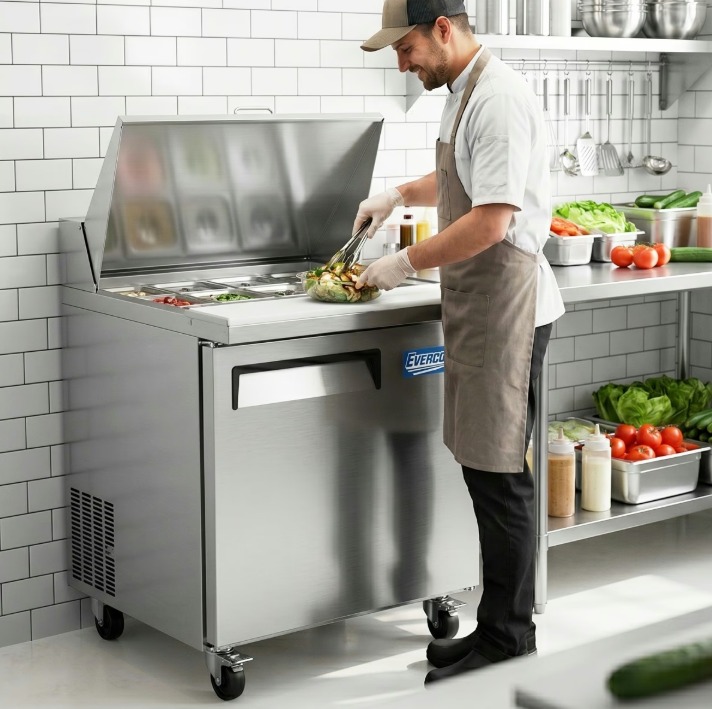
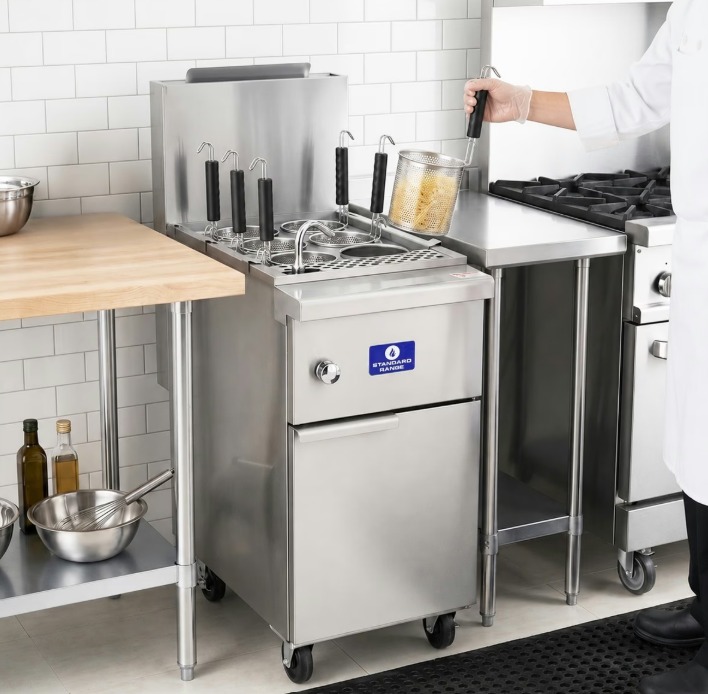
An attractive dining room deserves an efficient kitchen behind it. Outdated equipment slows production and limits staff productivity, even if the restaurant looks fantastic from the customer side. Shop for restaurant equipment that matches your standards for quality.
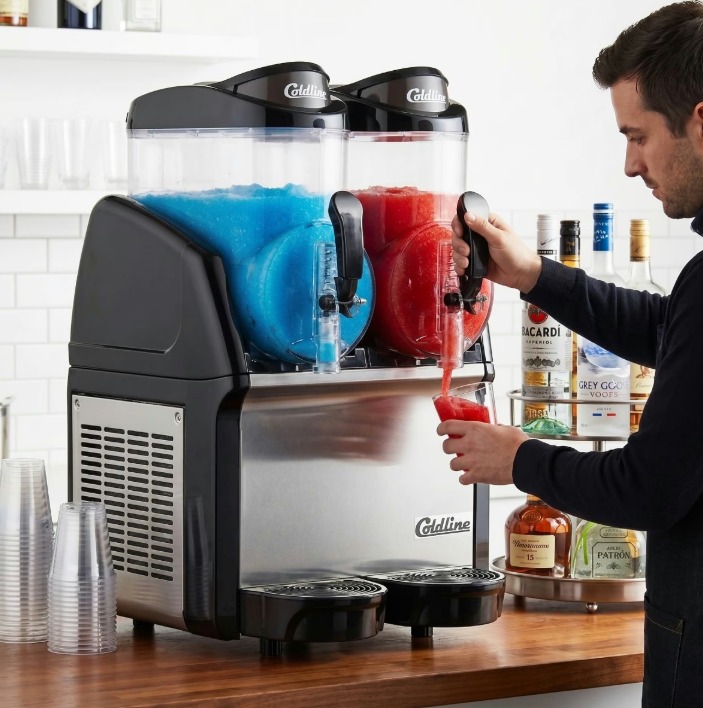
An investment in modern kitchen gear is an investment in convenient, efficient production. Modern commercial ranges, refrigeration units, prep tables, and display equipment help employees work comfortably and maintain consistent food quality. A thoughtful renovation treats both customer-facing areas and kitchen operations as part of one complete experience.
11. Let Your Brand Guide Every Design Choice
Every successful restaurant has its own personality. A neighborhood café creates a very different atmosphere than a modern steakhouse or upscale seafood restaurant. Your décor, finishes, and furnishings should all reinforce that identity.
Consistency helps guests connect your food with the surroundings. Rustic wood, exposed brick, and warm lighting fit casual comfort food, while polished metals and clean lines complement contemporary dining. Small decorative details tie everything together without overwhelming the space.
Budget-Friendly Updates That Deliver Fresh Results
Not every redesign requires major construction. Smaller improvements can refresh your restaurant without stretching your budget.
A few practical upgrades include:
- Replace worn chairs and tables.
- Install updated light fixtures.
- Paint accent walls.
- Add decorative shelving.
- Refresh menu boards and signage.
- Introduce plants throughout the dining room.
- Rearrange furniture for better traffic flow.
Several smaller projects completed over time can transform the entire atmosphere. A thoughtful restaurant design creates an experience that extends far beyond attractive décor. Guests notice comfortable seating, natural traffic flow, pleasant lighting, and welcoming details, even if they can't identify every design choice.
At the same time, your staff benefits from a space that supports faster service and a smoother workday. As your business grows, your restaurant should continue to reflect your brand while adapting to new needs and customer expectations. Take time to evaluate both your dining area and kitchen so they complement one another.