
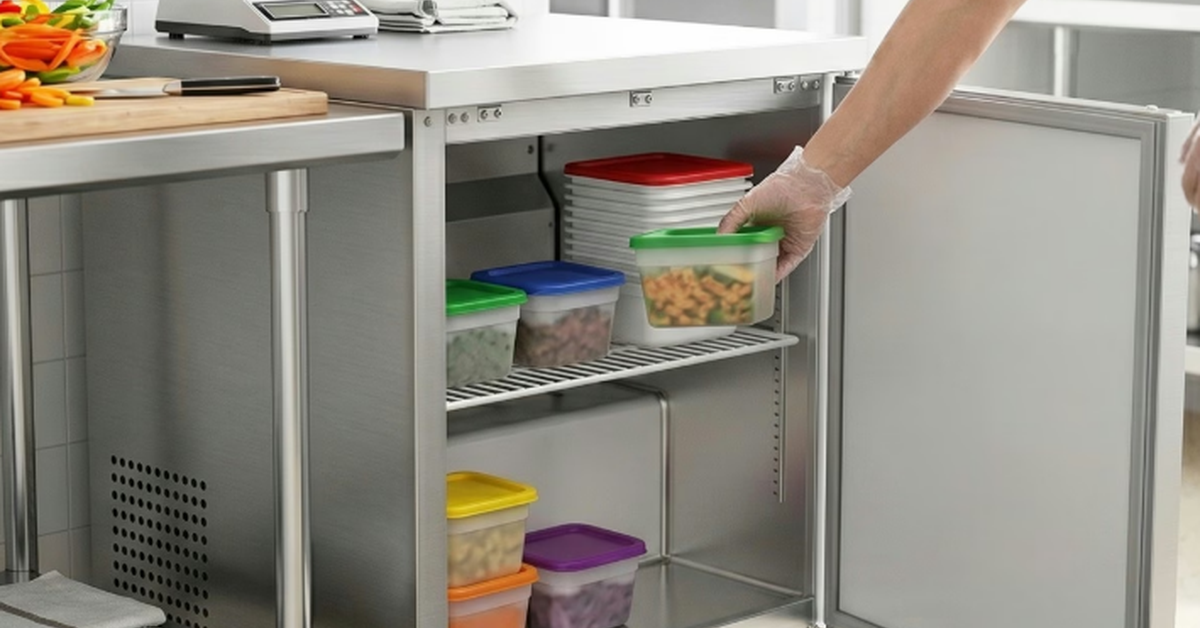
A well-organized commercial freezer does more than keep food cold. It saves time during busy shifts, cuts food waste, and helps staff work with confidence every day. All the smart ways to organize your commercial freezer can help any restaurant, bakery, deli, or café create a cleaner, more practical storage system that supports daily operations. If your kitchen could use a better freezer setup, learn about the best techniques you can use today.
1. Group Products by Category
One of the easiest upgrades starts with grouping similar items together. Keep meats in one section, seafood in another, frozen vegetables on their own shelves, and desserts in a separate area. Staff won't waste time searching through mixed products during a lunch rush. A predictable layout also cuts down on misplaced inventory.
Picture a cook grabbing frozen fries from the same shelf every single shift. That habit becomes second nature and keeps traffic inside the freezer short. Less time with the door open helps the freezer maintain a more stable temperature.
Raw meat, poultry, seafood, and other frozen proteins deserve their own designated areas. This arrangement reduces the chance of cross-contamination after products move into refrigerators or prep stations for thawing. Color-coded shelves or storage bins give employees an easy visual guide without much training. A cleaner layout also helps health inspections go more smoothly.
2. Use Clear Labels on Every Container
A stack of identical white containers creates confusion in a hurry. Every container should display the product name, prep date, and use-by date in large, easy-to-read print. Waterproof labels hold up far better than scraps of masking tape after days inside freezing temperatures. Consistency matters just as much as the labels themselves. If every employee follows the same format, nobody has to guess what sits inside a container. That small habit saves time every day.
3. Follow First In, First Out
The FIFO method remains one of the best inventory habits in foodservice. Older products stay toward the front, and newer deliveries move behind them. Staff grab older inventory first before opening newer cases. This routine reduces unnecessary waste and helps kitchens stay within food safety guidelines. It also keeps expensive products from disappearing beneath newer shipments until somebody discovers them months later.
4. Leave Room for Airflow
A packed freezer may look productive, but overcrowding creates problems. Cold air needs room to circulate around shelves and boxes. Air can't reach every product when cases sit tightly against walls or block air vents.
Leave a little breathing room between stacks whenever possible. Products freeze more evenly, compressors work less, and recovery time after opening the door stays shorter. Your equipment also benefits from less strain over the long run.
5. Store Heavy Products on Lower Shelves
Large boxes of meat, frozen dough, or bulk ingredients belong closer to the floor. Lower shelves support more weight and reduce the chance of somebody dropping a heavy case from overhead. Lighter products fit better on upper shelves where employees can reach them without much effort. This arrangement creates a safer workspace and reduces unnecessary lifting during busy service.
6. Create Zones for High-Turnover Inventory
Not every product receives the same amount of use. Frozen fries, chicken tenders, burger patties, and pizza dough may leave the freezer dozens of times each day. Place these high-demand items near the entrance.
Products used less frequently can stay farther inside. Staff spend less time searching, and traffic through the freezer becomes much more efficient. Those saved seconds add up over hundreds of trips each week.
Many restaurants carry seasonal menu items or limited-time promotions throughout the year. Give those products their own section instead of scattering them throughout the freezer. Once the promotion ends, that space becomes available for the next seasonal inventory without disrupting the rest of the layout. This approach keeps everyday ingredients easy to reach and prevents forgotten cases from sitting in the back for months.
7. Keep Shelves Neat Instead of Stacking Randomly
Tall piles of loose boxes rarely stay organized for long. Boxes shift, products fall over, and labels disappear from view. Neat rows with enough space between products create a cleaner layout that employees can maintain. Shelf organizers, plastic bins, or wire dividers help separate smaller items without much effort. Every product has a designated home, so cleanup takes far less time after deliveries arrive.
8. Schedule Routine Inventory Checks
Organization doesn't stop after one afternoon of cleaning. A quick inventory review every week keeps small problems from becoming major headaches. Missing labels, expired food, damaged packaging, and empty boxes all stand out during a regular inspection. Managers also gain a better picture of purchasing patterns. That knowledge helps avoid overstocking slow-moving products and running short on popular ingredients before a busy weekend.
9. Match Your Storage System to Your Freezer
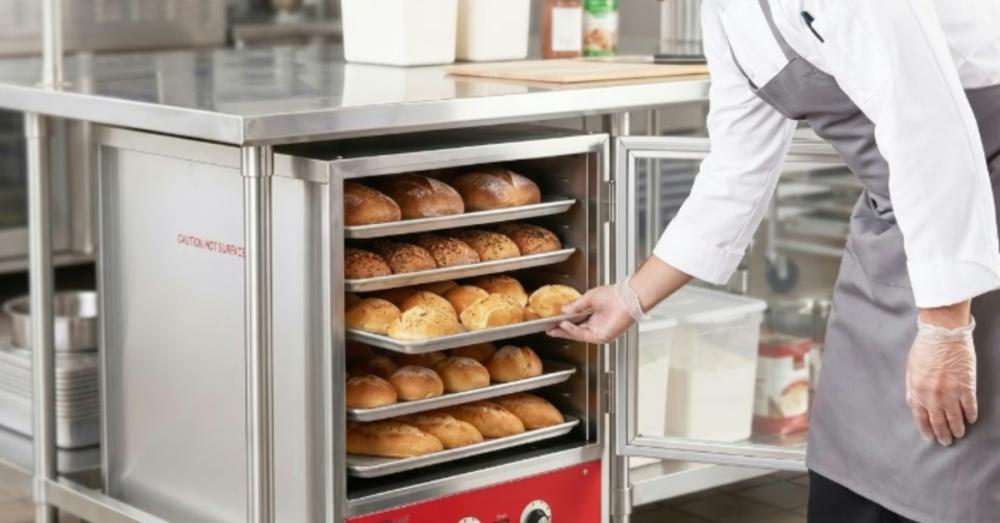
One of the smartest ways to organize your commercial freezer is to make full use of your freezer’s unique interior. Every commercial freezer has a different interior layout, shelf configuration, and storage capacity. Build your organization plan around the equipment instead of forcing products into spaces that don't fit well.
Reach-in freezers work well with clearly divided shelves and labeled bins. Walk-in freezers benefit from aisle organization, shelving units, and designated storage zones. A system designed around your freezer allows employees to locate products quickly without unnecessary frustration.
10. Keep an Inventory Map Near the Freezer Door
Large walk-in freezers can turn into a maze after several deliveries. A simple inventory map posted near the entrance shows where every product category belongs. New employees can locate ingredients faster, and deliveries go onto the correct shelves from the start. Managers will also spend less time answering questions about product locations.
Commercial Freezers Help Every Kitchen Run Better
An organized freezer supports faster prep, cleaner storage, and smoother kitchen operations from opening until closing. Staff waste less time searching for products, and food quality remains easier to protect. Those daily improvements create a more productive kitchen without expensive changes or complicated systems. Now that you know more about the essential storage methods, order a commercial freezer that suits your organizational needs with ease.